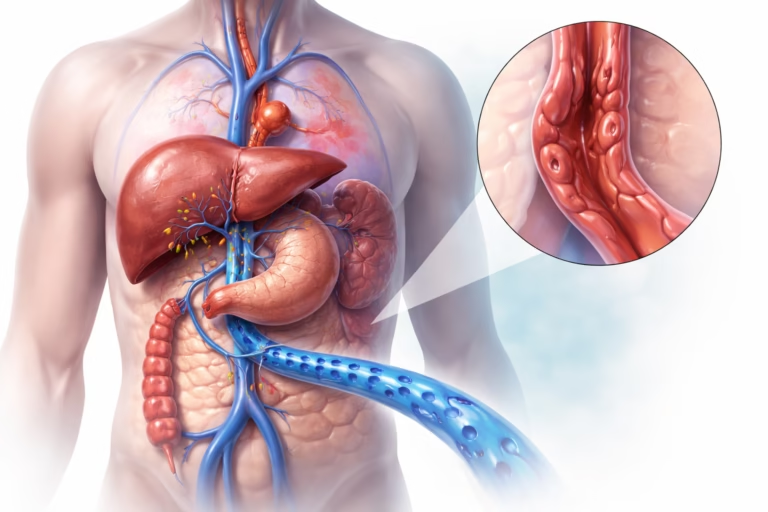
Digestive Health: Understanding How Your Gut Supports Overall Well‑Being

Digestive health plays a vital role in overall physical and mental well-being, yet it is often overlooked until problems arise. The digestive system is responsible for breaking down food, absorbing nutrients, and eliminating waste, processes that are essential for energy, immunity, and even mood regulation. This article provides a clear, medically accurate overview of digestive health, common factors that affect it, and evidence-based approaches to maintaining a healthy digestive system.
Overview: What Is Digestive Health?
Digestive health refers to the proper functioning of the gastrointestinal (GI) tract, which includes the:
- Mouth
- Esophagus
- Stomach
- Small and large intestines
- Liver
- Gallbladder
- Pancreas
Together, these organs work to digest food, absorb nutrients, regulate fluid balance, and remove waste from the body. A healthy digestive system supports nutrient absorption, immune defense, and metabolic balance.
Causes and Risk Factors Affecting Digestive Health
A variety of factors can disrupt normal digestive function. Common causes and risk factors include:
- Dietary patterns
- Low fiber intake
- High consumption of processed or high-fat foods
- Lifestyle factors
- Physical inactivity
- Chronic stress
- Inadequate sleep
- Medical conditions
- Gastroesophageal reflux disease (GERD)
- Irritable bowel syndrome (IBS)
- Inflammatory bowel disease (IBD)
- Food intolerances or allergies
- Medications
- Antibiotics (which may alter gut microbiota)
- Nonsteroidal anti-inflammatory drugs (NSAIDs)
- Age-related changes
- Slower digestion
- Altered gut bacteria composition
Symptoms and Clinical Presentation
Digestive health issues can present in many ways, ranging from mild discomfort to chronic symptoms. Common signs include:
- Abdominal pain or cramping
- Bloating or excessive gas
- Heartburn or acid reflux
- Diarrhea, constipation, or alternating bowel habits
- Nausea or vomiting
- Unintentional weight loss or loss of appetite
Persistent or severe symptoms may warrant medical evaluation to rule out underlying conditions.
Diagnosis and Screening
Diagnosis of digestive disorders typically involves a combination of:
- Medical history and symptom review
- Physical examination
- Laboratory tests, such as blood or stool studies
- Imaging studies, including ultrasound or CT scans
- Endoscopic procedures, such as colonoscopy or upper endoscopy, when appropriate
Screening tests, such as colorectal cancer screening, are recommended at specific ages or risk levels and play an important role in preventive digestive care.
Treatment and Management Options
Management of digestive health conditions depends on the specific diagnosis and severity. Evidence-based approaches may include:
- Dietary modifications (e.g., increasing fiber, identifying trigger foods)
- Medications, such as:
- Acid-suppressing therapies
- Antispasmodics
- Anti-inflammatory agents
- Probiotics or microbiome-directed therapies, in selected cases
- Behavioral strategies, including stress management techniques
- Surgical intervention, when indicated for certain structural or severe conditions
Treatment plans are typically individualized and guided by healthcare professionals.
Prevention and Lifestyle Considerations
Many digestive health issues can be reduced or managed through healthy lifestyle practices. General preventive strategies include:
- Eating a balanced diet rich in fruits, vegetables, whole grains, and lean proteins
- Staying adequately hydrated
- Engaging in regular physical activity
- Practicing mindful eating and avoiding overeating
- Managing stress through relaxation techniques
- Avoiding tobacco use and limiting alcohol intake
These habits support gut motility, microbiome balance, and overall digestive function.
Conclusion: Key Takeaways on Digestive Health
Digestive health is a cornerstone of overall wellness, influencing nutrition, immunity, and quality of life. Understanding how the digestive system works, recognizing common symptoms, and adopting healthy lifestyle practices can help support long-term gastrointestinal well-being. Early evaluation of persistent symptoms and evidence-based management are essential for maintaining a healthy gut.
Medical Disclaimer
This article is intended for educational purposes only and does not replace professional medical advice, diagnosis, or treatment. Readers are encouraged to consult qualified healthcare professionals for concerns related to digestive health or any medical condition.