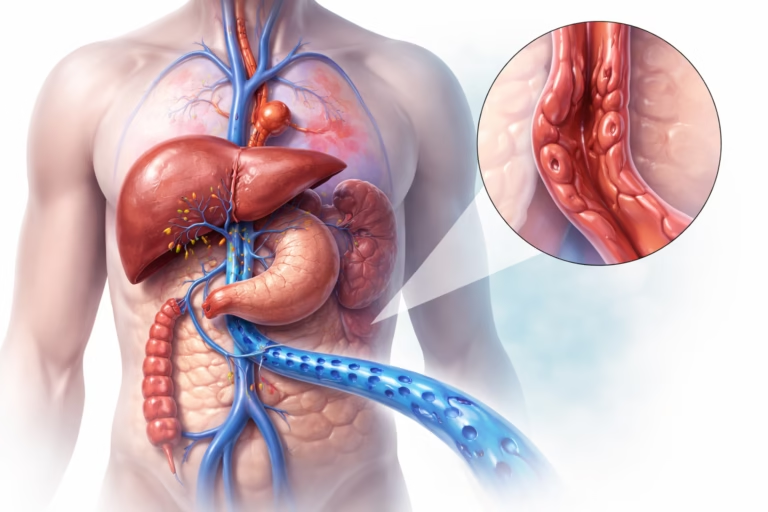
Diarrhea: Causes, Symptoms, and Effective Management

Introduction
Diarrhea is a common digestive condition that most people experience at some point in their lives. While often mild and short-lived, diarrhea can sometimes signal an underlying medical issue or lead to complications if left untreated. Understanding what diarrhea is, why it happens, and how it is managed can help individuals recognize when simple home measures are sufficient and when professional medical care is necessary.
This article provides a clear, medically accurate overview of diarrhea, using accessible language while maintaining an evidence-based approach.
Overview: What Is Diarrhea?
Diarrhea is defined as the passage of loose, watery stools that occur more frequently than usual—typically three or more times in a day. It results from changes in how the intestines absorb water and electrolytes or how quickly contents move through the digestive tract.
Diarrhea may be classified into several types:
- Acute diarrhea: Lasts less than 2 weeks; often caused by infections
- Persistent diarrhea: Lasts 2–4 weeks
- Chronic diarrhea: Persists longer than 4 weeks and may be linked to chronic conditions
Although diarrhea itself is a symptom rather than a disease, identifying its cause is important for appropriate management.
Causes and Risk Factors
Diarrhea can have many causes, ranging from temporary infections to chronic medical conditions.
Common Causes
- Infections
- Viruses (e.g., norovirus, rotavirus)
- Bacteria (e.g., E. coli, Salmonella)
- Parasites (e.g., Giardia)
- Food-related causes
- Food poisoning
- Food intolerances (such as lactose intolerance)
- Medications
- Antibiotics (may disrupt normal gut bacteria)
- Certain antacids, laxatives, or chemotherapy agents
- Digestive disorders
- Irritable bowel syndrome (IBS)
- Inflammatory bowel disease (Crohn’s disease, ulcerative colitis)
- Celiac disease
- Other medical conditions
- Hormonal disorders (e.g., hyperthyroidism)
- Pancreatic diseases
Risk Factors
- Poor sanitation or unsafe drinking water
- Travel to regions with higher risk of gastrointestinal infections
- Weakened immune system
- Extremes of age (infants and older adults)
Symptoms and Clinical Presentation
In addition to frequent loose stools, diarrhea may be accompanied by other symptoms depending on its cause.
Common Symptoms
- Abdominal cramping or pain
- Urgency to have a bowel movement
- Bloating or gas
- Nausea or vomiting
Warning Signs That May Indicate a More Serious Condition
- Signs of dehydration (dry mouth, decreased urination, dizziness)
- Fever
- Blood or mucus in the stool
- Severe or persistent abdominal pain
- Unintentional weight loss
These features often require prompt medical evaluation.
Diagnosis and Evaluation
In many cases, mild, short-term diarrhea does not require formal testing. However, healthcare professionals may recommend evaluation when symptoms are severe, persistent, or recurrent.
Diagnostic Approaches May Include:
- Medical history and physical examination
- Stool tests to check for:
- Bacterial, viral, or parasitic infections
- Blood or inflammatory markers
- Blood tests to assess hydration, infection, or underlying diseases
- Imaging or endoscopy, in cases of suspected chronic or inflammatory conditions
The goal of diagnosis is to identify the underlying cause and guide appropriate treatment.
Treatment and Management Options
Treatment depends on the cause, severity, and duration of diarrhea.
General Management Principles
- Fluid and electrolyte replacement
- Oral rehydration solutions help prevent dehydration
- Dietary adjustments
- Temporarily eating bland, easy-to-digest foods
- Rest to support recovery
Medications (Used When Appropriate)
- Antidiarrheal agents (e.g., loperamide) for symptom relief in selected cases
- Antibiotics or antiparasitic medications when a specific infection is identified
- Probiotics, which may help restore gut microbiota in some situations
In chronic diarrhea, treatment focuses on managing the underlying condition rather than just controlling symptoms.
Prevention and Lifestyle Considerations
Many cases of diarrhea are preventable, especially those related to infections and food handling.
Preventive Strategies
- Wash hands thoroughly with soap and water
- Drink clean, safe water
- Practice safe food preparation and storage
- Avoid undercooked foods in high-risk settings
- Follow travel health precautions when visiting areas with limited sanitation
For Chronic Conditions
- Adhering to prescribed treatment plans
- Identifying and avoiding dietary triggers
- Regular follow-up with healthcare professionals
Conclusion
Diarrhea is a common condition with a wide range of causes, from self-limiting infections to chronic digestive disorders. While many episodes resolve with simple supportive care, persistent or severe symptoms should not be ignored. Understanding the causes, symptoms, and management options empowers individuals to respond appropriately and seek care when needed.
Medical Disclaimer
This article is intended for educational purposes only and does not replace professional medical advice, diagnosis, or treatment. Always consult a qualified healthcare provider with questions or concerns regarding digestive symptoms or health conditions.