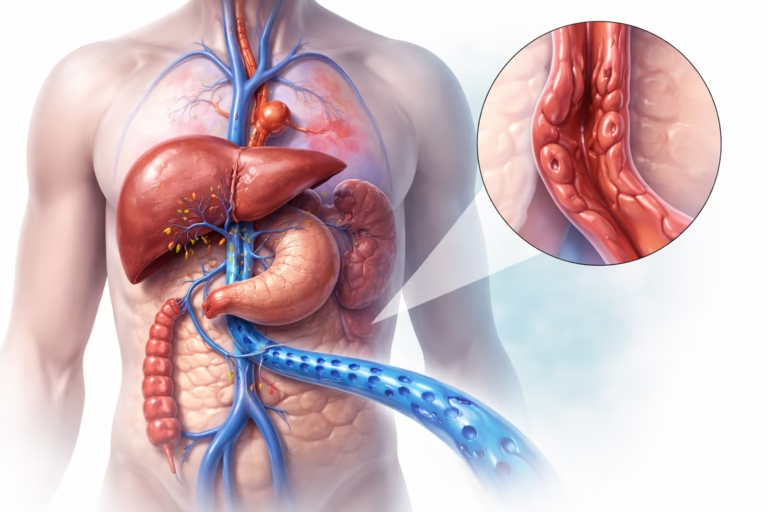
Diabetes, Type 2: Understanding a Common Chronic Condition

Type 2 diabetes is one of the most prevalent chronic health conditions worldwide, affecting hundreds of millions of people. While it is a serious medical condition, it is also one that can often be managed effectively with appropriate medical care and healthy lifestyle choices. This article provides a clear, evidence-based overview of type 2 diabetes, explaining what it is, why it develops, how it is diagnosed, and the main approaches to treatment and prevention.
Overview: What Is Type 2 Diabetes?
Type 2 diabetes is a chronic metabolic disorder characterized by persistently elevated blood glucose (sugar) levels. It develops when the body becomes resistant to insulin—the hormone that helps glucose enter cells for energy—or when the pancreas does not produce enough insulin to meet the body’s needs.
Unlike type 1 diabetes, which is an autoimmune condition, type 2 diabetes is strongly influenced by genetic, lifestyle, and environmental factors. It usually develops in adulthood, although increasing numbers of children and adolescents are now being diagnosed.
Causes and Risk Factors
Type 2 diabetes does not have a single cause. Instead, it results from a combination of biological and lifestyle-related factors that impair insulin function.
Common risk factors include:
- Overweight or obesity, particularly excess abdominal fat
- Physical inactivity
- Family history of type 2 diabetes
- Increasing age
- Certain ethnic backgrounds (including African, Hispanic/Latino, Native American, and South Asian populations)
- History of gestational diabetes or polycystic ovary syndrome (PCOS)
- High blood pressure or abnormal cholesterol levels
While some risk factors cannot be changed, many are modifiable through lifestyle adjustments.
Symptoms and Clinical Presentation
Type 2 diabetes often develops gradually, and many people may not notice symptoms initially. When symptoms do occur, they may include:
- Increased thirst and frequent urination
- Fatigue or low energy
- Blurred vision
- Slow-healing cuts or wounds
- Frequent infections
- Unexplained weight loss (in some cases)
Because early symptoms can be mild or absent, routine screening is important for individuals at increased risk.
Diagnosis and Screening
Type 2 diabetes is diagnosed using blood tests that measure glucose levels or long-term blood sugar control.
Common diagnostic tests include:
- Fasting plasma glucose test – measures blood sugar after fasting
- HbA1c (glycated hemoglobin) – reflects average blood glucose over the past 2–3 months
- Oral glucose tolerance test – assesses blood sugar response after consuming a glucose drink
- Random plasma glucose test – used when classic symptoms are present
Screening is often recommended for adults with risk factors, even in the absence of symptoms.
Treatment and Management Options
Although type 2 diabetes is a chronic condition, it can be effectively managed with a combination of medical care and lifestyle measures. Treatment plans are individualized and guided by healthcare professionals.
Management approaches may include:
- Healthy eating patterns focused on balanced nutrition
- Regular physical activity to improve insulin sensitivity
- Oral medications that enhance insulin action or reduce glucose production
- Injectable therapies, including insulin, when necessary
- Regular monitoring of blood glucose levels
The goal of treatment is to maintain blood sugar within a target range and reduce the risk of complications affecting the heart, kidneys, eyes, nerves, and blood vessels.
Prevention and Lifestyle Considerations
Research shows that type 2 diabetes can often be delayed or prevented, particularly in people with prediabetes.
Key preventive strategies include:
- Maintaining a healthy body weight
- Engaging in regular physical activity
- Following a balanced, nutrient-rich diet
- Limiting highly processed foods and sugary beverages
- Managing stress and getting adequate sleep
These lifestyle measures also play an important role in managing diabetes after diagnosis.
Conclusion: Key Takeaways
Type 2 diabetes is a common but manageable chronic condition driven by insulin resistance and impaired glucose regulation. Early detection, appropriate medical treatment, and sustainable lifestyle changes are central to reducing complications and maintaining long-term health. With evidence-based care and ongoing monitoring, many people with type 2 diabetes can lead full, active lives.
Medical Disclaimer
This article is intended for educational purposes only and does not replace professional medical advice. Readers are encouraged to consult qualified healthcare professionals for diagnosis, treatment, and individualized medical guidance regarding type 2 diabetes or any health condition.