Diabetes, Type 1: Understanding an Autoimmune Condition

Type 1 diabetes is a lifelong medical condition that affects how the body regulates blood glucose (sugar). Although it is often diagnosed in childhood or adolescence, it can develop at any age. Advances in medical care have greatly improved outcomes, yet managing type 1 diabetes requires ongoing attention and education. This article provides a clear, evidence-based overview to help readers understand what type 1 diabetes is, how it presents, and how it is managed.
Overview / Definition
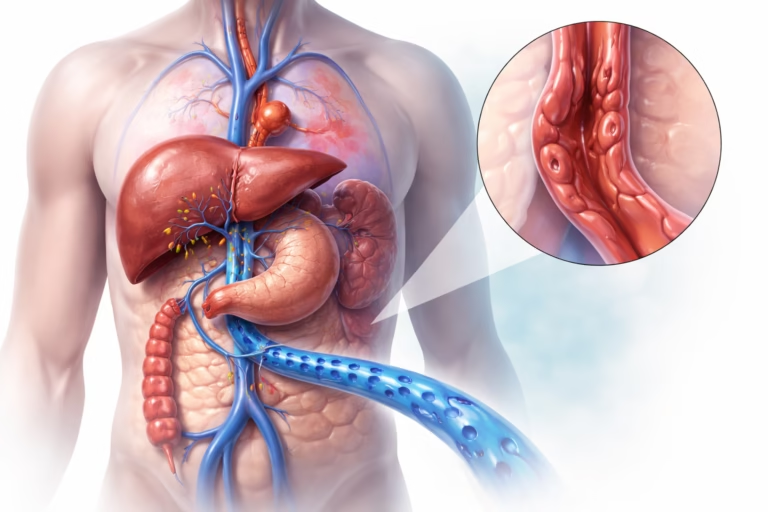
Type 1 diabetes is an autoimmune disease in which the body’s immune system mistakenly attacks and destroys the insulin-producing beta cells in the pancreas. Insulin is a hormone essential for allowing glucose to enter cells to be used for energy.
As a result:
- The body produces little to no insulin
- Blood glucose levels rise (hyperglycemia)
- Lifelong insulin replacement therapy becomes necessary
Type 1 diabetes accounts for approximately 5–10% of all diabetes cases and is distinct from type 2 diabetes, which is primarily related to insulin resistance and lifestyle factors.
Causes or Risk Factors
The exact cause of type 1 diabetes is not fully understood, but it is believed to result from a combination of genetic susceptibility and environmental triggers.
Known and suspected factors include:
- Autoimmune response targeting pancreatic beta cells
- Genetic predisposition, often involving specific HLA gene variants
- Environmental triggers, such as viral infections (e.g., enteroviruses)
- Family history, although most people with type 1 diabetes do not have an affected relative
Importantly, type 1 diabetes is not caused by diet, physical activity levels, or lifestyle choices.
Symptoms or Clinical Presentation
Symptoms of type 1 diabetes often develop rapidly, over days to weeks, particularly in children and young adults.
Common symptoms include:
- Increased thirst (polydipsia)
- Frequent urination (polyuria)
- Unintended weight loss
- Extreme fatigue
- Increased hunger
- Blurred vision
More severe presentation:
Without prompt diagnosis and treatment, some individuals may develop diabetic ketoacidosis (DKA), a serious and potentially life-threatening condition characterized by:
- Nausea and vomiting
- Abdominal pain
- Rapid, deep breathing
- Fruity-smelling breath
- Confusion or altered consciousness
Diagnosis or Screening
Type 1 diabetes is diagnosed using blood glucose and laboratory tests. Diagnosis may occur after symptom onset or, less commonly, through screening in at-risk individuals.
Common diagnostic tests include:
- Fasting plasma glucose
- Random plasma glucose (especially in symptomatic individuals)
- HbA1c (glycated hemoglobin), reflecting average glucose over ~3 months
- Autoantibody testing (e.g., GAD65, IA-2, ZnT8) to confirm autoimmune etiology
- C-peptide levels, to assess insulin production
Early and accurate diagnosis is essential to prevent complications such as DKA.
Treatment or Management Options
There is currently no cure for type 1 diabetes, but it can be effectively managed with appropriate medical care and education.
Core components of management include:
1. Insulin Therapy
- Delivered via multiple daily injections or insulin pumps
- Basal (long-acting) and bolus (short-acting) insulin regimens mimic normal physiology
2. Blood Glucose Monitoring
- Fingerstick glucose testing
- Continuous glucose monitoring (CGM) systems for real-time data
3. Medical Nutrition Therapy
- Balanced meal planning with attention to carbohydrate intake
- Coordination of food intake with insulin dosing
4. Physical Activity
- Regular movement supports overall health and glucose regulation
- Requires careful glucose monitoring to avoid hypoglycemia
5. Ongoing Education and Support
- Diabetes self-management education
- Regular follow-up with healthcare professionals
With modern insulin formulations and digital health tools, many people with type 1 diabetes are able to lead full, active lives.
Prevention or Lifestyle Considerations
Prevention
At present, there is no proven way to prevent type 1 diabetes. Research is ongoing to explore immunotherapies and early interventions in high-risk individuals.
Lifestyle considerations after diagnosis:
While lifestyle factors do not cause type 1 diabetes, healthy habits play an important role in long-term management:
- Consistent glucose monitoring
- Balanced nutrition
- Regular physical activity
- Stress management
- Adherence to prescribed treatment plans
These measures help reduce the risk of complications affecting the eyes, kidneys, nerves, and cardiovascular system.
Conclusion
Type 1 diabetes is a chronic autoimmune condition characterized by the body’s inability to produce insulin. Although it requires lifelong management, advances in insulin therapy, glucose monitoring, and education have transformed care and improved quality of life. Understanding the causes, symptoms, diagnostic process, and management strategies empowers individuals and families to navigate the condition more confidently and effectively.
Disclaimer
This article is for educational purposes only and does not replace professional medical advice, diagnosis, or treatment. Individuals with concerns about diabetes or related symptoms should consult a qualified healthcare professional for personalized guidance and care.