Diabetes: Understanding a Common but Complex Condition

Diabetes is a chronic medical condition that affects how the body regulates blood sugar (glucose). With hundreds of millions of people worldwide living with diabetes—and many more at risk—it is one of the most important public health issues of our time. While the condition is common, it is also complex, involving genetics, lifestyle, and long-term health management.
This article provides a clear, medically accurate overview of diabetes, including its causes, symptoms, diagnosis, treatment, and prevention strategies, written in an accessible and educational way.
Overview: What Is Diabetes?
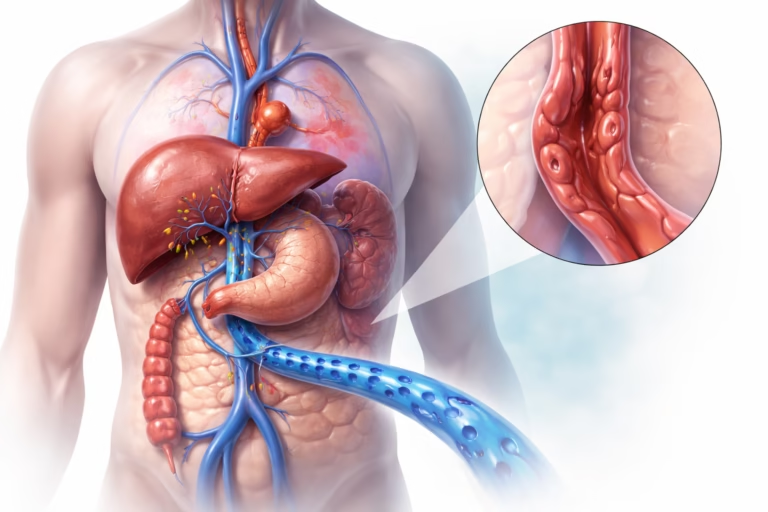
Diabetes mellitus, commonly referred to as diabetes, is a group of metabolic disorders characterized by chronically elevated blood glucose levels. Glucose is the body’s main source of energy and comes from the food we eat. To use glucose effectively, the body relies on a hormone called insulin, produced by the pancreas.
Diabetes develops when:
- The body does not produce enough insulin, or
- The body cannot effectively use the insulin it produces (known as insulin resistance)
Main Types of Diabetes
- Type 1 Diabetes: An autoimmune condition in which the immune system destroys insulin-producing cells
- Type 2 Diabetes: A condition driven by insulin resistance and relative insulin deficiency
- Gestational Diabetes: Diabetes that develops during pregnancy
- Other Specific Types: Including genetic forms or diabetes caused by medications or other diseases
Causes and Risk Factors
The causes of diabetes vary depending on the type, but several biological, genetic, and lifestyle factors are involved.
Common Risk Factors
- Family history of diabetes
- Overweight or obesity
- Physical inactivity
- Unhealthy dietary patterns
- Increasing age
- High blood pressure or abnormal cholesterol levels
Type-Specific Factors
- Type 1 Diabetes: Autoimmune processes and genetic susceptibility
- Type 2 Diabetes: Strongly associated with insulin resistance, often influenced by lifestyle and metabolic factors
- Gestational Diabetes: Hormonal changes during pregnancy combined with existing risk factors
Symptoms and Clinical Presentation
Symptoms of diabetes may develop suddenly or gradually, depending on the type and severity.
Common Symptoms
- Increased thirst and frequent urination
- Unexplained weight loss
- Increased hunger
- Fatigue
- Blurred vision
- Slow-healing wounds or frequent infections
Some individuals, particularly those with early Type 2 diabetes, may have no noticeable symptoms, making screening especially important.
Diagnosis and Screening
Diabetes is diagnosed through blood tests that measure glucose levels.
Common Diagnostic Tests
- Fasting Plasma Glucose (FPG)
- Hemoglobin A1C (HbA1c): Reflects average blood sugar over 2–3 months
- Oral Glucose Tolerance Test (OGTT)
- Random Plasma Glucose Test
Regular screening is recommended for individuals with risk factors, as early detection helps prevent complications.
Treatment and Management Options
While diabetes is a chronic condition, it can be effectively managed with appropriate care.
Core Components of Diabetes Management
- Blood Glucose Monitoring: Tracking levels to guide treatment decisions
- Medications:
- Insulin therapy (essential for Type 1 diabetes)
- Oral or injectable glucose-lowering medications for Type 2 diabetes
- Nutrition Management: Balanced meals with attention to carbohydrate intake
- Physical Activity: Regular movement improves insulin sensitivity
- Education and Support: Diabetes self-management education programs
Management plans are individualized and often involve a multidisciplinary healthcare team.
Prevention and Lifestyle Considerations
Not all forms of diabetes can be prevented, but Type 2 diabetes is often preventable or delayable through lifestyle modifications.
Evidence-Based Prevention Strategies
- Maintaining a healthy body weight
- Engaging in regular physical activity
- Eating a balanced, nutrient-rich diet
- Avoiding tobacco use
- Managing blood pressure and cholesterol levels
For individuals with prediabetes, early lifestyle changes have been shown to significantly reduce the risk of progression to diabetes.
Conclusion: Key Takeaways
Diabetes is a widespread and serious condition, but with early recognition and appropriate management, many people can live healthy, active lives. Understanding the causes, recognizing symptoms, and prioritizing prevention and treatment are essential steps in reducing the long-term impact of the disease. Education, regular medical care, and healthy lifestyle choices play a central role in managing diabetes effectively.
Medical Disclaimer
This article is intended for educational purposes only and does not replace professional medical advice, diagnosis, or treatment. Always consult qualified healthcare professionals for questions regarding medical conditions or health decisions.