Crohn’s Disease: Understanding a Complex Inflammatory Bowel Condition

Crohn’s disease is a chronic inflammatory condition of the digestive tract that can significantly impact daily life if not properly managed. Although it is a lifelong illness, advances in medical care have made it possible for many people with Crohn’s disease to achieve good symptom control and maintain a high quality of life. This article provides a clear, evidence-based overview of Crohn’s disease, covering its causes, symptoms, diagnosis, treatment options, and lifestyle considerations in an accessible way.
Overview / Definition
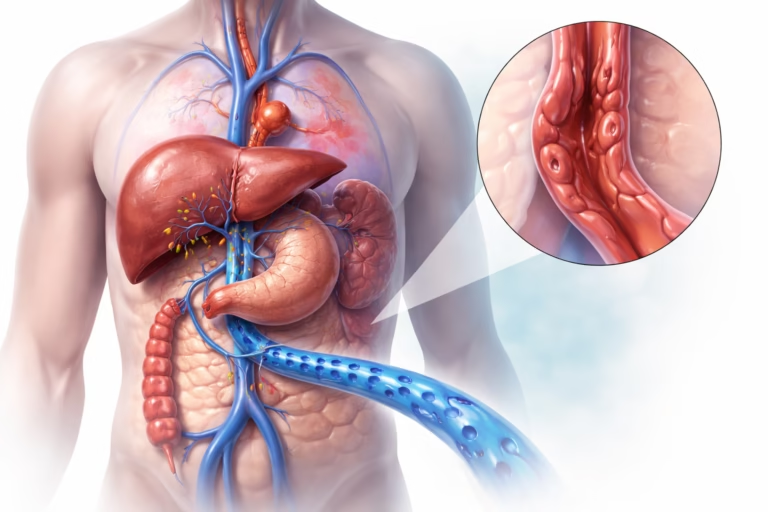
Crohn’s disease is a type of inflammatory bowel disease (IBD), a group of conditions characterized by ongoing inflammation of the gastrointestinal (GI) tract. Unlike some other digestive disorders, Crohn’s disease:
- Can affect any part of the GI tract, from the mouth to the anus
- Most commonly involves the end of the small intestine (ileum) and the beginning of the large intestine (colon)
- Often causes patchy areas of inflammation, with healthy tissue in between
- Can involve deeper layers of the bowel wall, not just the surface lining
The condition typically follows a relapsing and remitting course, meaning periods of active symptoms (flares) alternate with periods of remission.
Causes or Risk Factors
The exact cause of Crohn’s disease is not fully understood, but research suggests it results from a complex interaction of several factors:
Key Contributing Factors
- Immune system dysfunction: An abnormal immune response may mistakenly attack healthy intestinal tissue
- Genetics: A family history of Crohn’s disease or other IBD increases risk
- Environmental influences: Factors such as diet, infections, and geographic location may play a role
- Gut microbiome changes: Alterations in normal intestinal bacteria are thought to contribute
Known Risk Factors
- Having a first-degree relative with Crohn’s disease
- Smoking, which is strongly associated with both higher risk and more severe disease
- Onset often occurs in adolescence or early adulthood, though it can appear at any age
Symptoms or Clinical Presentation
Symptoms of Crohn’s disease vary widely depending on the location and severity of inflammation. They may develop gradually or appear suddenly during a flare.
Common Digestive Symptoms
- Chronic diarrhea
- Abdominal pain or cramping, often in the lower right abdomen
- Blood or mucus in the stool
- Urgent need to have bowel movements
Systemic and Extraintestinal Symptoms
- Fatigue
- Unintended weight loss
- Reduced appetite
- Fever during active inflammation
Possible Complications
- Intestinal strictures (narrowing of the bowel)
- Fistulas (abnormal connections between organs)
- Nutritional deficiencies (such as iron or vitamin B12)
- Inflammation outside the intestines, affecting the joints, skin, eyes, or liver
Diagnosis or Screening
There is no single test that confirms Crohn’s disease. Diagnosis typically involves a combination of clinical evaluation, laboratory testing, imaging, and endoscopic procedures.
Common Diagnostic Tools
- Blood tests to check for inflammation, anemia, or infection
- Stool tests to rule out infections and assess inflammation
- Colonoscopy with biopsy, allowing direct visualization of the bowel lining
- Imaging studies such as CT or MRI enterography to assess deeper bowel involvement
An accurate diagnosis is important to distinguish Crohn’s disease from other conditions, including ulcerative colitis and irritable bowel syndrome (IBS).
Treatment or Management Options
While there is currently no cure for Crohn’s disease, treatment focuses on reducing inflammation, relieving symptoms, and preventing complications.
Medical Treatments
- Anti-inflammatory drugs, such as corticosteroids for short-term flare control
- Immunomodulators that suppress overactive immune responses
- Biologic therapies targeting specific inflammatory pathways
- Antibiotics, in selected situations involving infection or fistulas
Surgical Management
Surgery may be necessary if complications develop or symptoms do not respond to medical therapy. This may involve removing damaged sections of the intestine, although surgery does not cure the disease.
Prevention or Lifestyle Considerations
Because the cause of Crohn’s disease is multifactorial, there is no guaranteed way to prevent it. However, certain lifestyle strategies can support overall health and symptom management.
Helpful Lifestyle Approaches
- Smoking cessation, which is one of the most important modifiable factors
- Maintaining a balanced, nutrient-rich diet tailored to individual tolerance
- Managing stress, which may help reduce symptom flares
- Regular follow-up with healthcare professionals to monitor disease activity
- Addressing nutritional deficiencies when they arise
Lifestyle measures are typically used alongside medical treatment, not as a replacement.
Conclusion
Crohn’s disease is a chronic inflammatory condition that can affect multiple aspects of digestive and overall health. Although it presents unique challenges, early diagnosis, appropriate medical treatment, and ongoing care can greatly improve symptom control and quality of life. Understanding the disease—its causes, symptoms, and management options—empowers individuals and caregivers to make informed decisions and engage effectively with healthcare teams.
Medical Disclaimer
This article is intended for educational purposes only and does not replace professional medical advice. Individuals experiencing symptoms or living with Crohn’s disease should consult qualified healthcare professionals for diagnosis, treatment, and personalized care.