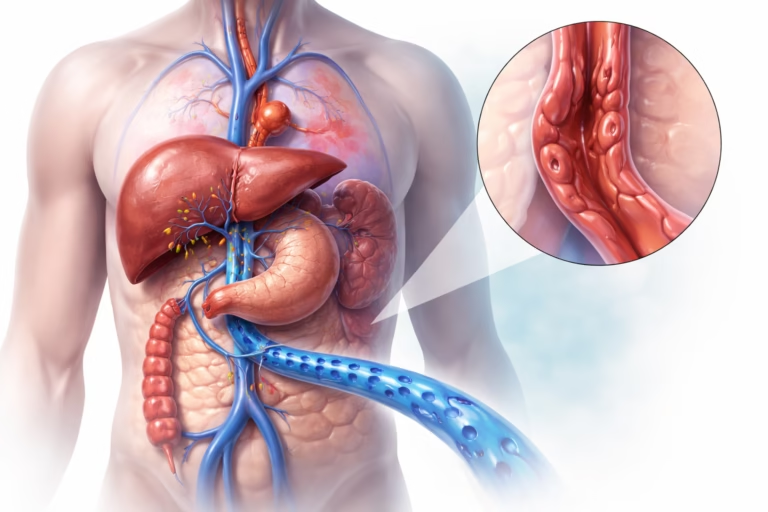
Constipation: Understanding a Common Digestive Concern

Constipation is a common gastrointestinal issue that affects people of all ages. While often viewed as a minor inconvenience, persistent constipation can significantly impact comfort, daily functioning, and overall quality of life. Understanding what constipation is, why it occurs, and how it is managed can help individuals recognize when to seek professional guidance and adopt healthier bowel habits.
This article provides a clear, medically accurate overview of constipation, presented in accessible language for a general audience.
Overview: What Is Constipation?
Constipation refers to infrequent, difficult, or uncomfortable bowel movements. Clinically, it is often defined as having fewer than three bowel movements per week, though normal bowel habits vary widely between individuals.
Key features of constipation may include:
- Hard or lumpy stools
- Straining during bowel movements
- A sensation of incomplete evacuation
- Abdominal discomfort or bloating
Constipation can be acute (short-term) or chronic (long-lasting). Chronic constipation is usually defined as symptoms lasting for several weeks or longer.
Causes and Risk Factors
Constipation can result from a variety of factors, often acting together. Common causes and risk factors include:
Dietary and Lifestyle Factors
- Low fiber intake (insufficient fruits, vegetables, whole grains)
- Inadequate fluid intake
- Physical inactivity
- Ignoring the urge to have a bowel movement
Medications
Certain medications can slow bowel activity, such as:
- Opioid pain relievers
- Some antidepressants
- Iron supplements
- Antihistamines
- Certain blood pressure medications
Medical Conditions
- Irritable bowel syndrome (IBS)
- Hypothyroidism
- Diabetes
- Neurological disorders (e.g., Parkinson’s disease, multiple sclerosis)
- Structural problems in the colon or rectum
Life Stages and Situational Factors
- Pregnancy
- Older age
- Recent illness or surgery
- Changes in routine, travel, or stress
Symptoms and Clinical Presentation
The symptoms of constipation can vary in severity and frequency. Common clinical features include:
- Fewer bowel movements than usual
- Hard, dry, or pellet-like stools
- Pain or straining during defecation
- A feeling of blockage in the rectum
- Abdominal bloating or cramping
In some cases, prolonged constipation may lead to complications such as hemorrhoids, anal fissures, or fecal impaction.
Diagnosis and Screening
Constipation is usually diagnosed based on medical history and symptom patterns. Healthcare professionals may ask about:
- Bowel movement frequency and stool consistency
- Diet and fluid intake
- Medication use
- Associated symptoms (e.g., weight loss, blood in stool)
Diagnostic Tests (When Indicated)
While many cases do not require extensive testing, further evaluation may be necessary if:
- Symptoms are persistent or severe
- Constipation begins suddenly
- Alarm features are present
Possible tests may include:
- Blood tests to assess metabolic or hormonal disorders
- Stool studies
- Colonoscopy (especially in older adults or when red-flag symptoms exist)
- Specialized tests to evaluate bowel function
Treatment and Management Options
Management of constipation depends on its cause, severity, and duration. Treatment approaches are typically introduced stepwise.
Lifestyle and Dietary Measures
Often the first line of management:
- Gradual increase in dietary fiber
- Adequate daily fluid intake
- Regular physical activity
- Establishing a consistent bathroom routine
Fiber Supplements
For individuals unable to meet fiber needs through diet alone, fiber supplements may be recommended.
Laxatives
Several types are used under medical guidance:
- Bulk-forming agents (e.g., fiber-based)
- Osmotic laxatives (draw water into the stool)
- Stool softeners
- Stimulant laxatives (used cautiously and usually short-term)
Prescription Medications and Advanced Therapies
In chronic or treatment-resistant cases, healthcare professionals may consider:
- Prescription medications that improve bowel motility
- Biofeedback therapy for pelvic floor dysfunction
- Referral to a gastroenterologist
Prevention and Lifestyle Considerations
Many cases of constipation can be reduced or prevented with consistent healthy habits:
- Eat a balanced diet rich in whole foods
- Drink sufficient water throughout the day
- Stay physically active
- Respond promptly to natural bowel urges
- Manage stress, which can affect gut function
Building regular routines and maintaining awareness of bowel habits play an important role in long-term digestive health.
When to Seek Medical Attention
While constipation is often manageable, certain symptoms require prompt medical evaluation, including:
- Unexplained weight loss
- Blood in the stool
- Severe abdominal pain
- Persistent constipation despite treatment
- Sudden changes in bowel habits, especially in older adults
Conclusion
Constipation is a widespread and often manageable condition influenced by diet, lifestyle, medications, and underlying health factors. Recognizing its symptoms and understanding evidence-based management strategies can help individuals take proactive steps toward better digestive health. Persistent or concerning symptoms should always be evaluated by qualified healthcare professionals to ensure appropriate diagnosis and care.
Disclaimer:
This article is intended for educational purposes only and does not replace professional medical advice, diagnosis, or treatment. Readers are encouraged to consult qualified healthcare professionals for personalized evaluation and guidance regarding digestive health or any medical concerns.