Colon Cancer: What You Need to Know

Colon cancer, also known as colorectal cancer when it includes the rectum, is one of the most common cancers worldwide. Despite its prevalence, it is also one of the most preventable and treatable cancers when detected early. Understanding the basics of colon cancer can empower individuals to recognize risk factors, appreciate the importance of screening, and make informed health decisions.
Overview: What Is Colon Cancer?
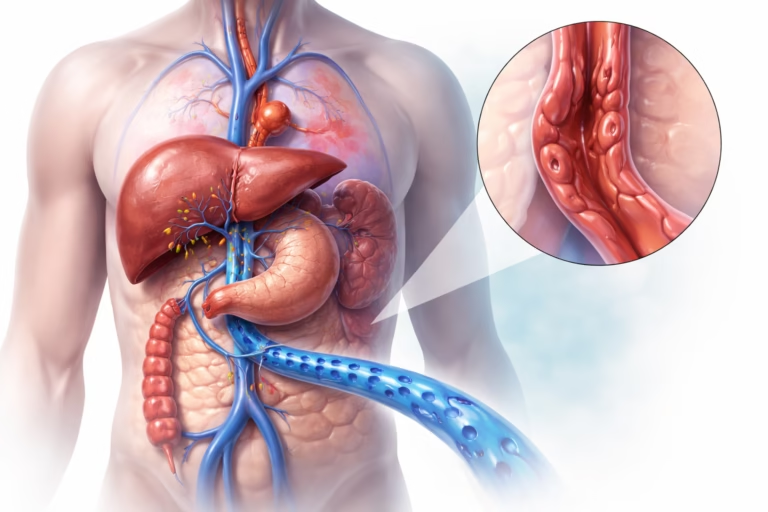
Colon cancer arises from the inner lining of the large intestine (colon), which is part of the digestive system. Most cases begin as adenomatous polyps, small, benign growths that can slowly develop into cancer over many years.
Colon cancer typically progresses gradually, often without obvious symptoms in its early stages. This is why routine screening plays such a crucial role in reducing both the incidence and mortality of the disease.
Causes and Risk Factors
Colon cancer does not have a single cause. Instead, it develops due to a combination of genetic, environmental, and lifestyle-related factors.
Common risk factors include:
- Age: Risk increases significantly after age 50 (though rates are rising in younger adults)
- Personal or family history of colon polyps or colorectal cancer
- Inflammatory bowel diseases, such as ulcerative colitis or Crohn’s disease
- Genetic syndromes, including familial adenomatous polyposis (FAP) and Lynch syndrome
- Diet high in red or processed meats
- Physical inactivity
- Obesity
- Smoking and heavy alcohol use
- Type 2 diabetes
Having one or more risk factors does not guarantee that someone will develop colon cancer, but it does increase overall risk.
Symptoms and Clinical Presentation
Early-stage colon cancer often causes no noticeable symptoms, which underscores the importance of screening. As the disease progresses, symptoms may include:
- Changes in bowel habits (diarrhea, constipation, or narrowing of stools)
- Blood in the stool or rectal bleeding
- Persistent abdominal discomfort (cramps, gas, or pain)
- A feeling that the bowel does not empty completely
- Unexplained weight loss
- Fatigue or weakness (sometimes due to anemia)
These symptoms can also be caused by non-cancerous conditions, but persistent or worsening symptoms should always be medically evaluated.
Diagnosis and Screening
Screening
Screening can detect colon cancer early—or prevent it altogether by identifying and removing precancerous polyps. Common screening methods include:
- Colonoscopy (gold standard)
- Stool-based tests (e.g., fecal immunochemical test or multitarget stool DNA test)
- CT colonography (virtual colonoscopy)
- Flexible sigmoidoscopy
Health organizations generally recommend starting routine screening at age 45–50 for individuals at average risk, with earlier or more frequent screening for those at higher risk.
Diagnosis
If screening or symptoms suggest colon cancer, diagnostic evaluation may involve:
- Colonoscopy with biopsy
- Imaging studies (CT, MRI)
- Blood tests, including tumor markers such as CEA (carcinoembryonic antigen)
Treatment and Management Options
Treatment depends on the stage of the cancer, its location, and the individual’s overall health. Management often involves a multidisciplinary medical team.
Common treatment options include:
- Surgery: Primary treatment for localized colon cancer
- Chemotherapy: Often used after surgery or for advanced disease
- Radiation therapy: Less common for colon cancer but may be used in certain cases
- Targeted therapy and immunotherapy: For specific cancer subtypes or advanced stages
Advances in treatment have significantly improved survival rates, especially when cancer is detected early.
Prevention and Lifestyle Considerations
While not all cases are preventable, several measures may reduce the risk of colon cancer:
- Participating in recommended screening programs
- Eating a diet rich in fruits, vegetables, whole grains, and fiber
- Limiting red and processed meats
- Engaging in regular physical activity
- Maintaining a healthy body weight
- Avoiding tobacco and limiting alcohol consumption
These lifestyle choices also support overall health beyond cancer prevention.
Conclusion: Key Takeaways
Colon cancer is a common but largely preventable disease. Because early stages often cause no symptoms, routine screening is one of the most effective tools for reducing risk and improving outcomes. Awareness of risk factors, attention to symptoms, and timely medical evaluation can make a life-saving difference.
Medical Disclaimer
This article is intended for educational purposes only and does not replace professional medical advice, diagnosis, or treatment. Readers are encouraged to consult qualified healthcare professionals for personalized medical guidance, screening recommendations, or concerns related to colon cancer.
If you’d like, I can also adapt this article for a specific audience (patients, caregivers, or medical trainees) or optimize it further for search engines.