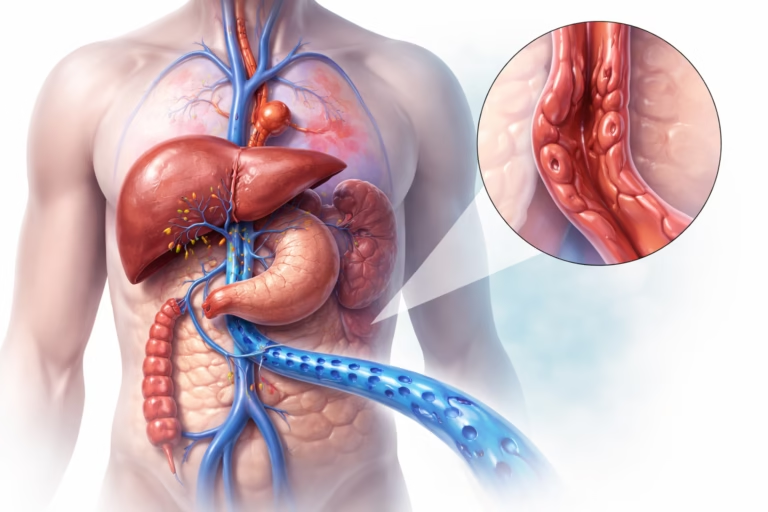
Childhood Cancer: Understanding the Basics, Signs, and Care Options
Childhood cancer is a life-altering diagnosis that affects thousands of families worldwide each year. While cancer in children is relatively rare compared to adults, its impact is profound—medically, emotionally, and socially. Advances in research and treatment have significantly improved survival rates, making early recognition and appropriate care more important than ever.
This article provides a clear, medically accurate overview of childhood cancer, including what it is, how it may present, how it is diagnosed, and the current approaches to treatment and supportive care.
Overview: What Is Childhood Cancer?
Childhood cancer refers to a group of diseases caused by uncontrolled cell growth that occurs in children and adolescents, typically under the age of 15 (and sometimes up to 19, depending on definitions).
Unlike adult cancers, which are often linked to long-term lifestyle or environmental exposures, childhood cancers usually arise from genetic or developmental changes within cells. They can affect various parts of the body, including the blood, brain, bones, and organs.
Common Types of Childhood Cancer Include:
- Leukemias (e.g., acute lymphoblastic leukemia)
- Brain and central nervous system tumors
- Lymphomas (Hodgkin and non-Hodgkin)
- Neuroblastoma
- Wilms tumor (kidney cancer)
- Bone cancers (osteosarcoma, Ewing sarcoma)
- Soft tissue sarcomas
Causes and Risk Factors
In most cases, the exact cause of childhood cancer is unknown. Unlike adult cancers, these conditions are rarely linked to lifestyle choices.
Known or Suspected Risk Factors May Include:
- Genetic conditions (e.g., Down syndrome, Li-Fraumeni syndrome)
- Inherited gene mutations
- Exposure to high-dose radiation (such as prior radiation therapy)
- Certain congenital or developmental abnormalities
It is important to note that most children diagnosed with cancer have no identifiable risk factors, and nothing their parents did or did not do caused the disease.
Symptoms and Clinical Presentation
Symptoms of childhood cancer can be subtle and may resemble common childhood illnesses, which can sometimes delay diagnosis.
Possible Warning Signs Include:
- Persistent or unexplained fatigue
- Frequent infections or fever
- Easy bruising or bleeding
- Unexplained weight loss or poor appetite
- Persistent pain (bone, joint, or headache)
- Lumps, swelling, or masses
- Changes in vision or balance
- Ongoing nausea or vomiting, especially in the morning
Symptoms often depend on the type and location of the cancer.
Diagnosis and Screening
There are no routine screening tests for most childhood cancers. Diagnosis usually begins when persistent or unusual symptoms prompt further evaluation.
Diagnostic Tools May Include:
- Physical examination and medical history
- Blood tests (e.g., complete blood count)
- Imaging studies such as:
- X-rays
- Ultrasound
- CT scans
- MRI scans
- Biopsy (removal of tissue for laboratory analysis)
- Bone marrow examination (for certain blood cancers)
- Genetic and molecular testing to guide treatment decisions
Early and accurate diagnosis is critical for effective treatment planning.
Treatment and Management Options
Treatment for childhood cancer depends on the type of cancer, its stage, the child’s age, and overall health. Care is typically provided by a multidisciplinary pediatric oncology team.
Common Treatment Modalities Include:
- Chemotherapy – uses medications to destroy cancer cells
- Surgery – removes tumors or affected tissue when possible
- Radiation therapy – targets cancer cells with high-energy beams
- Immunotherapy – helps the immune system recognize and attack cancer
- Targeted therapy – focuses on specific molecular features of cancer cells
- Stem cell or bone marrow transplantation – used in select cases
Supportive Care Is Also Essential:
- Pain management
- Nutritional support
- Infection prevention
- Psychological and emotional support for the child and family
Prevention and Lifestyle Considerations
For most childhood cancers, there is no known way to prevent them. However, general health measures are still valuable.
Helpful Considerations Include:
- Avoiding unnecessary exposure to radiation
- Ensuring appropriate prenatal and pediatric healthcare
- Maintaining up-to-date immunizations
- Encouraging a safe environment that minimizes exposure to known carcinogens
While lifestyle factors play a limited role, overall wellness supports resilience during treatment and recovery.
Conclusion: Key Takeaways on Childhood Cancer
Childhood cancer is a complex group of diseases that can develop without warning, often unrelated to environmental or lifestyle factors. Early recognition of symptoms, timely medical evaluation, and access to specialized pediatric oncology care are essential for optimal outcomes. Thanks to ongoing research and medical advances, survival rates and quality of life for many children with cancer continue to improve.
Awareness, education, and support remain critical—not only for affected children but also for their families and communities.
Medical Disclaimer
This article is intended for educational purposes only and does not provide medical advice, diagnosis, or treatment. Always consult qualified healthcare professionals for concerns regarding a child’s health or suspected medical conditions.
If you’d like this article tailored for a healthcare blog, patient education website, or SEO optimization with keywords and meta descriptions, feel free to ask.