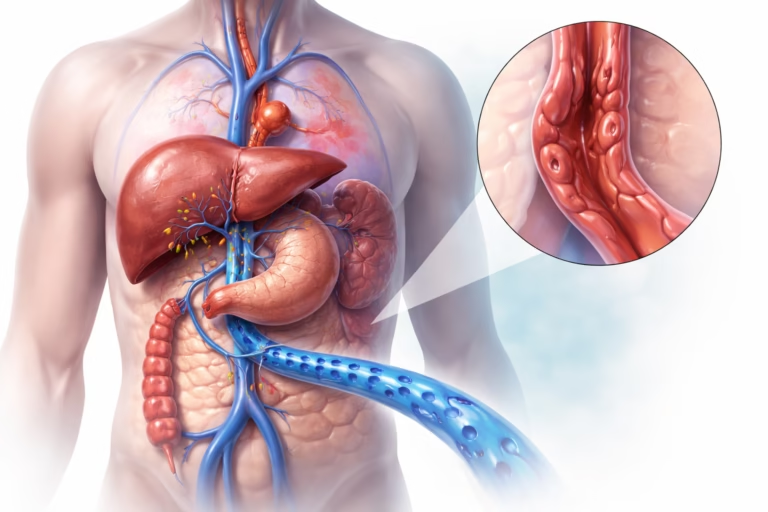
Celiac Disease: Understanding an Autoimmune Condition Affecting the Digestive System

Celiac disease is a chronic autoimmune disorder that affects millions of people worldwide, yet it is often misunderstood or underdiagnosed. While it is commonly associated with gluten intolerance, celiac disease goes far beyond food sensitivity, it can impact multiple organ systems and significantly affect quality of life if not properly managed. This article provides a clear, evidence-based overview of celiac disease, including its causes, symptoms, diagnosis, and management, in a way that is accessible to a general audience.
Overview: What Is Celiac Disease?
Celiac disease is an autoimmune condition in which the immune system reacts abnormally to gluten, a protein found in wheat, barley, and rye. When someone with celiac disease consumes gluten, their immune system attacks the lining of the small intestine.
Over time, this immune response damages the intestinal villi—tiny, finger-like projections responsible for nutrient absorption. This damage can lead to malabsorption of essential vitamins and minerals, resulting in a wide range of symptoms and potential complications.
Celiac disease is not:
- A food allergy
- A simple gluten sensitivity
- A condition that can be outgrown
It is a lifelong medical condition requiring consistent management.
Causes and Risk Factors
The exact cause of celiac disease is not fully understood, but it is believed to result from a combination of genetic predisposition and environmental triggers.
Key risk factors include:
- Genetics: Most individuals with celiac disease carry the HLA-DQ2 or HLA-DQ8 genes
- Family history: Having a first-degree relative with celiac disease increases risk
- Other autoimmune disorders, such as:
- Type 1 diabetes
- Autoimmune thyroid disease
- Rheumatoid arthritis
- Certain environmental triggers, including:
- Early childhood infections
- Gastrointestinal surgery
- Significant physical or emotional stress
Having these risk factors does not guarantee the development of celiac disease, but they increase susceptibility.
Symptoms and Clinical Presentation
Celiac disease presents differently from person to person. Symptoms can appear at any age and may involve the digestive system or other parts of the body.
Common gastrointestinal symptoms:
- Chronic diarrhea or constipation
- Abdominal pain or bloating
- Nausea or vomiting
- Fatty or foul-smelling stools
Non-digestive (systemic) symptoms:
- Fatigue
- Iron-deficiency anemia
- Unexplained weight loss
- Bone or joint pain
- Headaches
- Skin rash (dermatitis herpetiformis)
- Delayed growth or puberty in children
Some individuals have silent or asymptomatic celiac disease, where intestinal damage occurs without noticeable symptoms, underscoring the importance of proper screening in at-risk populations.
Diagnosis and Screening
Diagnosing celiac disease requires medical testing and should always be done before starting a gluten-free diet.
Common diagnostic steps include:
- Blood tests to detect specific antibodies, such as:
- Tissue transglutaminase IgA (tTG-IgA)
- Endomysial antibodies (EMA)
- Small intestine biopsy, typically performed during upper endoscopy, to assess villous damage
- Genetic testing (HLA-DQ2/DQ8), which can help rule out celiac disease in unclear cases
Accurate diagnosis is essential, as long-term management depends on strict dietary adherence.
Treatment and Management Options
Currently, the only effective treatment for celiac disease is a lifelong, strict gluten-free diet. Even small amounts of gluten can trigger immune damage, even if symptoms are mild or absent.
Management typically involves:
- Eliminating all sources of wheat, barley, and rye
- Reading food labels carefully for hidden gluten
- Preventing cross-contamination in food preparation
- Monitoring nutritional status, especially for:
- Iron
- Calcium
- Vitamin D
- Vitamin B12
Many individuals experience significant symptom improvement within weeks of dietary changes, though intestinal healing may take months to years.
Lifestyle Considerations and Prevention
There is currently no known way to prevent celiac disease, as genetic factors play a major role. However, effective lifestyle management can reduce complications and improve overall well-being.
Helpful lifestyle strategies include:
- Working with a registered dietitian knowledgeable in gluten-free nutrition
- Joining celiac disease support groups or educational programs
- Maintaining regular medical follow-up to monitor recovery and nutrient status
- Staying informed about gluten-free food labeling and regulations
Ongoing research continues to explore new therapies, but dietary management remains the cornerstone of care.
Conclusion: Key Takeaways About Celiac Disease
Celiac disease is a serious autoimmune condition that requires lifelong attention and care. While it can present with a wide range of symptoms—or none at all—early diagnosis and strict adherence to a gluten-free diet can help prevent long-term complications and support a healthy, active life.
Key points to remember:
- Celiac disease is an autoimmune response to gluten
- Symptoms vary and may extend beyond the digestive system
- Proper diagnosis requires medical testing
- A strict gluten-free diet is currently the only effective treatment
Medical Disclaimer
This article is intended for educational purposes only and does not replace professional medical advice, diagnosis, or treatment. Individuals with concerns about celiac disease or related symptoms are encouraged to consult a qualified healthcare professional for personalized evaluation and guidance.