Breathing Emergencies: What You Need to Know

Breathing is something most of us take for granted, until it becomes difficult or impossible. Breathing emergencies are serious, potentially life-threatening situations in which a person cannot get enough oxygen to meet the body’s needs. They require rapid recognition and prompt medical care. Understanding the causes, warning signs, and general management principles can help improve outcomes and save lives.
This article provides a clear, medically accurate overview of breathing emergencies, written in accessible language for a general audience.
Overview / Definition
A breathing emergency (also known as respiratory distress or respiratory failure, depending on severity) occurs when the lungs or airways cannot supply adequate oxygen to the blood or remove carbon dioxide efficiently. This imbalance can quickly affect vital organs, including the brain and heart.
Breathing emergencies can develop suddenly or worsen over time and may affect people of all ages, from infants to older adults.
Causes or Risk Factors
Breathing emergencies can arise from many different medical conditions and situations. Common causes include:
Airway Obstruction
- Choking on food or foreign objects
- Severe allergic reactions (anaphylaxis) causing airway swelling
- Facial or neck trauma
Lung and Airway Conditions
- Asthma exacerbations
- Chronic obstructive pulmonary disease (COPD) flare-ups
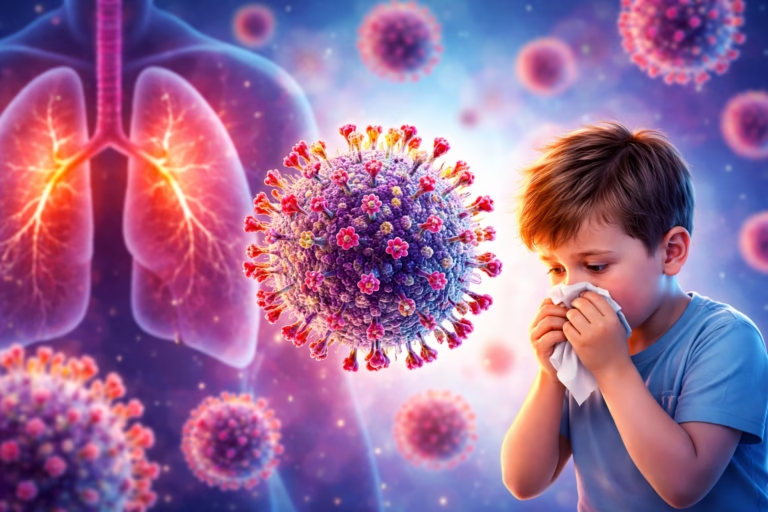
- Pneumonia or severe respiratory infections
- Pulmonary embolism (blood clot in the lungs)
Heart and Circulatory Causes
- Heart failure leading to fluid in the lungs
- Cardiac events that impair oxygen delivery
Environmental or External Factors
- Smoke inhalation
- Toxic gas exposure
- Near-drowning incidents
- High-altitude illness
Risk Factors
- Chronic lung or heart disease
- Smoking or long-term exposure to air pollution
- Weakened immune system
- Advanced age or very young age
Symptoms or Clinical Presentation
Breathing emergencies often present with clear warning signs. Symptoms may vary depending on the underlying cause but commonly include:
- Shortness of breath or rapid breathing
- Difficulty speaking in full sentences
- Wheezing, gasping, or gurgling sounds
- Chest tightness or pain
- Bluish discoloration of lips, fingers, or skin (cyanosis)
- Anxiety, restlessness, or confusion
- Fatigue or loss of consciousness in severe cases
These symptoms indicate inadequate oxygen delivery and should be taken seriously.
Diagnosis or Screening
Healthcare professionals assess breathing emergencies using a combination of clinical evaluation and diagnostic tools, such as:
- Physical examination: Observing breathing effort, lung sounds, and oxygen levels
- Pulse oximetry: Measuring blood oxygen saturation
- Blood tests: Including arterial blood gases to assess oxygen and carbon dioxide levels
- Imaging studies: Chest X-rays or CT scans to detect infections, fluid, or clots
- Pulmonary function tests: In stable patients, to evaluate lung capacity and airflow
Rapid assessment is crucial to guide timely treatment.
Treatment or Management Options
Treatment depends on the cause and severity of the breathing emergency but often focuses on restoring adequate airflow and oxygen delivery.
Common Management Approaches
- Oxygen therapy: To improve blood oxygen levels
- Medications:
- Bronchodilators for asthma or COPD
- Corticosteroids to reduce airway inflammation
- Antibiotics for bacterial infections
- Airway support:
- Suctioning or removal of obstructions
- Non-invasive ventilation (e.g., CPAP or BiPAP)
- Mechanical ventilation in severe cases
- Emergency interventions:
- Epinephrine for anaphylaxis
- Blood thinners or clot-dissolving treatments for pulmonary embolism
Management is typically provided in emergency or hospital settings under close medical supervision.
Prevention or Lifestyle Considerations
While not all breathing emergencies can be prevented, certain measures may reduce risk:
- Avoiding smoking and secondhand smoke
- Managing chronic respiratory or heart conditions as directed by healthcare providers
- Staying up to date on vaccinations (such as influenza and pneumonia)
- Minimizing exposure to air pollution, allergens, or occupational hazards
- Practicing food safety to reduce choking risk
Early recognition and prompt medical care remain the most critical factors in preventing severe complications.
Conclusion: Key Takeaways
Breathing emergencies are serious medical situations that demand immediate attention. They can result from airway obstruction, lung or heart conditions, infections, or environmental exposures. Recognizing symptoms such as severe shortness of breath, chest tightness, or bluish skin coloring is essential, as early intervention can be lifesaving.
Awareness, prevention strategies, and timely medical care together play a vital role in improving outcomes for individuals experiencing breathing emergencies.
Medical Disclaimer
This article is intended for educational and informational purposes only and does not replace professional medical advice, diagnosis, or treatment. If you or someone else is experiencing difficulty breathing or a medical emergency, seek immediate care from qualified healthcare professionals or local emergency services.