Blood Disorders: Understanding Conditions That Affect Blood Health
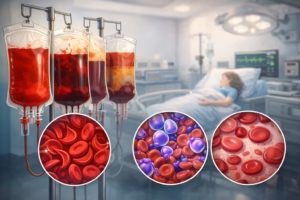
Blood plays a vital role in keeping the body alive and functioning. It delivers oxygen and nutrients, removes waste products, supports immune defenses, and helps control bleeding. Blood disorders are conditions that interfere with one or more of these functions by affecting the components of blood itself. They can range from mild and easily managed to serious, lifelong conditions requiring specialized care. This article provides a clear, medically accurate overview to help readers understand what blood disorders are, how they develop, and how they are diagnosed and managed.
Overview / Definition
Blood disorders are medical conditions that affect one or more of the main components of blood:
- Red blood cells (RBCs) – carry oxygen throughout the body
- White blood cells (WBCs) – support the immune system
- Platelets – help with blood clotting
- Plasma – the liquid portion that transports cells, proteins, and nutrients
Disorders may involve too many, too few, or abnormal blood cells, or problems with clotting mechanisms. They can be inherited, acquired, or develop as part of another medical condition.
Causes or Risk Factors
Blood disorders can arise from a wide variety of causes, depending on the specific condition.
Common Causes
- Genetic mutations (e.g., sickle cell disease, hemophilia)
- Autoimmune conditions where the body attacks its own blood cells
- Bone marrow disorders affecting blood cell production
- Nutritional deficiencies, such as iron, vitamin B12, or folate deficiency
- Infections that disrupt normal blood function
- Chronic diseases, including kidney disease or cancer
Risk Factors
- Family history of blood disorders
- Advanced age (for some conditions)
- Certain medications or medical treatments (e.g., chemotherapy)
- Exposure to toxins or radiation
- Pregnancy, which can influence blood clotting and anemia risk
Symptoms or Clinical Presentation
Symptoms vary widely based on the type of blood disorder and its severity. Some individuals may be asymptomatic, while others experience significant health problems.
Common Signs and Symptoms
- Fatigue or weakness
- Shortness of breath
- Easy bruising or excessive bleeding
- Frequent infections
- Pale or yellowish skin
- Dizziness or headaches
- Unexplained weight loss or night sweats
Because these symptoms are nonspecific, blood disorders are often detected through routine blood tests.
Diagnosis or Screening
Diagnosing blood disorders involves a combination of clinical evaluation and laboratory testing.
Common Diagnostic Tools
- Complete Blood Count (CBC) – evaluates blood cell levels and size
- Peripheral blood smear – examines blood cell shape and structure
- Clotting tests – assess bleeding and clotting function
- Bone marrow biopsy – evaluates blood cell production at its source
- Genetic or molecular tests – identify inherited or acquired mutations
Early diagnosis can be critical, especially for conditions that may progress or cause complications if untreated.
Treatment or Management Options
Treatment depends on the specific disorder, its cause, and its severity. Management often focuses on controlling symptoms, preventing complications, and treating underlying causes.
Common Treatment Approaches
- Medications, such as:
- Iron supplements for iron-deficiency anemia
- Immunosuppressive drugs for autoimmune blood disorders
- Anticoagulants or clotting factor replacement therapies
- Blood transfusions to replace missing or abnormal blood cells
- Bone marrow or stem cell transplantation for severe or life-threatening conditions
- Treatment of underlying diseases, such as infections or nutritional deficiencies
Some blood disorders require long-term monitoring rather than aggressive treatment.
Prevention or Lifestyle Considerations
While not all blood disorders are preventable, certain measures may reduce risk or support overall blood health.
General Health Strategies
- Maintain a balanced diet rich in iron, vitamins B12 and folate
- Follow recommended vaccinations to reduce infection-related complications
- Avoid smoking and excessive alcohol intake
- Adhere to routine medical checkups and blood testing when advised
- Manage chronic illnesses according to medical guidance
For inherited conditions, genetic counseling may be helpful for individuals or families at risk.
Conclusion
Blood disorders encompass a broad group of conditions that affect how blood cells function and how the body maintains circulation, immunity, and clotting. While causes and treatments vary widely, early recognition and appropriate medical evaluation play a key role in effective management. Advances in diagnostic testing and treatment options have significantly improved outcomes for many individuals with blood disorders.
Medical Disclaimer
This article is intended for educational purposes only and does not replace professional medical advice, diagnosis, or treatment. Readers are encouraged to consult qualified healthcare professionals for concerns related to blood disorders or any specific medical condition.