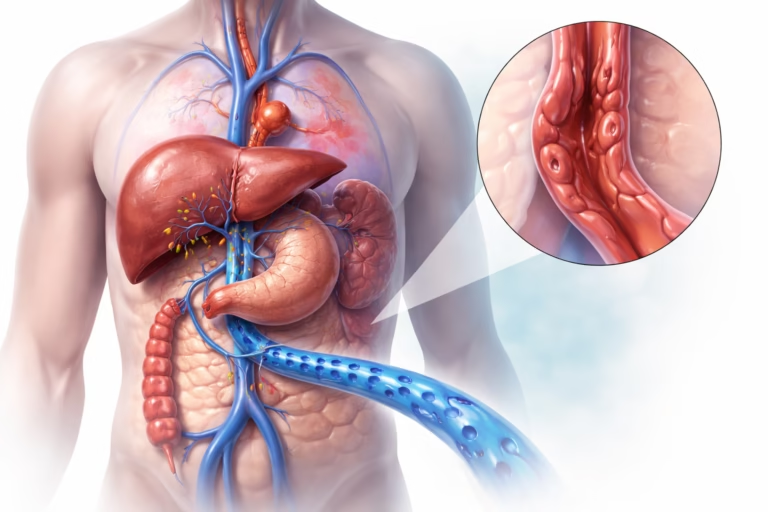
Atrial Fibrillation (A-Fib): Understanding an Irregular Heart Rhythm

Atrial fibrillation often called “A‑Fib”, is one of the most common heart rhythm disorders worldwide. While it can sound alarming, many people live well with A‑Fib when it is properly recognized and managed. Understanding what A‑Fib is, why it occurs, and how it is treated is an important step toward protecting long-term heart health and reducing the risk of complications such as stroke.
Overview: What Is Atrial Fibrillation?
Atrial fibrillation is a type of arrhythmia, meaning an abnormal heart rhythm. In A‑Fib, the heart’s two upper chambers (the atria) beat in a rapid, irregular, and uncoordinated way.
Instead of the heart contracting in a smooth, rhythmic pattern:
- Electrical signals fire chaotically in the atria
- The heart may beat too fast, too slow, or unevenly
- Blood may not flow through the heart as efficiently as it should
Over time, this irregular rhythm can strain the heart and increase the risk of blood clots, stroke, heart failure, and other cardiovascular problems.
Causes and Risk Factors
A‑Fib can develop for many reasons, and sometimes no single cause is identified. It is often associated with underlying heart or medical conditions.
Common causes and risk factors include:
- High blood pressure (hypertension)
- Coronary artery disease
- Heart valve disorders
- Previous heart attack or heart surgery
- Heart failure or cardiomyopathy
- Advancing age
- Diabetes
- Thyroid disease (especially hyperthyroidism)
- Sleep apnea
- Obesity
- Excessive alcohol use
- Chronic lung diseases
While A‑Fib is more common in older adults, it can also occur in younger individuals, particularly when other risk factors are present.
Symptoms and Clinical Presentation
A‑Fib symptoms vary widely. Some people experience noticeable discomfort, while others have no symptoms and learn they have A‑Fib during a routine exam.
Possible symptoms include:
- Palpitations (a fluttering, racing, or irregular heartbeat)
- Shortness of breath
- Fatigue or reduced exercise tolerance
- Lightheadedness or dizziness
- Chest discomfort
- Weakness
Importantly, asymptomatic A‑Fib can still increase the risk of serious complications, especially stroke, making regular checkups essential.
Diagnosis and Screening
A‑Fib is usually diagnosed through tests that evaluate the heart’s electrical activity.
Common diagnostic tools include:
- Electrocardiogram (ECG or EKG): Confirms irregular heart rhythm
- Holter monitor or event recorder: Portable devices worn over time to capture intermittent episodes
- Echocardiogram: Assesses heart structure and function
- Blood tests: Identify contributing conditions (e.g., thyroid problems)
Early detection is crucial, particularly in individuals with known cardiovascular risk factors.
Treatment and Management Options
The treatment of A‑Fib focuses on three main goals: controlling heart rate, maintaining a healthy rhythm, and preventing stroke. Management strategies are tailored based on symptom severity, overall health, and underlying conditions.
Common treatment approaches include:
- Medications
- Rate-control drugs to slow the heart rate
- Rhythm-control drugs to restore or maintain normal rhythm
- Anticoagulants (blood thinners) to reduce stroke risk
- Procedural treatments
- Electrical cardioversion to reset heart rhythm
- Catheter ablation to target abnormal electrical pathways
- Pacemaker implantation in select cases
- Ongoing monitoring
- Regular follow-ups to adjust treatment and assess risks
Treatment plans should always be guided by a qualified healthcare provider.
Prevention and Lifestyle Considerations
While not all cases of A‑Fib are preventable, healthy lifestyle choices can reduce risk and support heart health.
Helpful strategies include:
- Managing blood pressure and cholesterol
- Maintaining a healthy weight
- Engaging in regular, moderate physical activity
- Limiting alcohol intake
- Avoiding tobacco products
- Treating sleep apnea when present
- Managing stress and chronic medical conditions
Lifestyle measures are often used alongside medical treatment to improve overall outcomes.
Conclusion: Key Takeaways About A‑Fib
Atrial fibrillation is a common but serious heart rhythm disorder that can significantly affect cardiovascular health if left untreated. With early detection, appropriate medical management, and supportive lifestyle changes, many people with A‑Fib lead active, fulfilling lives. Awareness of risk factors, symptoms, and treatment options plays a vital role in reducing complications such as stroke and heart failure.
Important Disclaimer
This article is for educational purposes only and does not provide personalized medical advice. If you have concerns about atrial fibrillation or your heart health, consult a qualified healthcare professional for accurate diagnosis and appropriate treatment.
By staying informed and proactive, individuals and families can better understand A‑Fib and support long-term heart health.