Aortic Aneurysms: Understanding a Silent but Serious Condition

Aortic aneurysms are potentially life-threatening conditions that often develop quietly, without obvious symptoms, until they reach a critical stage. Because early detection can make a profound difference in outcomes, understanding what aortic aneurysms are, who is at risk, and how they are managed is essential. This article provides a clear, medically accurate overview designed to inform and educate without overwhelming technical detail.
Overview: What Is an Aortic Aneurysm?
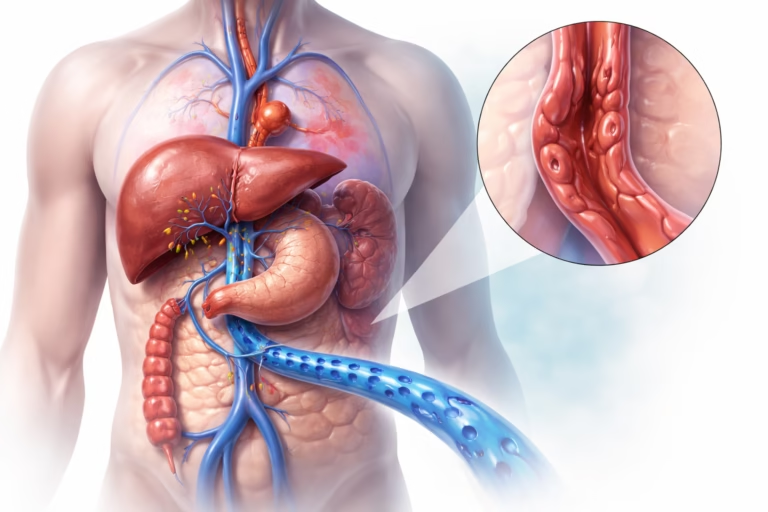
The aorta is the largest artery in the body, responsible for carrying oxygen-rich blood from the heart to vital organs and tissues. An aortic aneurysm occurs when a portion of the aorta becomes weakened and bulges outward, similar to how a worn section of a garden hose may swell under pressure.
Aortic aneurysms are typically classified based on their location:
- Abdominal Aortic Aneurysm (AAA): Occurs in the part of the aorta that passes through the abdomen (most common)
- Thoracic Aortic Aneurysm (TAA): Occurs in the part of the aorta within the chest
The main danger of an aneurysm is rupture, which can cause sudden, severe internal bleeding and is a medical emergency.
Causes and Risk Factors
Aortic aneurysms usually develop over time as the artery wall weakens. Several factors increase the risk:
- Advancing age, particularly over 65
- High blood pressure (hypertension)
- Atherosclerosis (buildup of plaque in arteries)
- Smoking (one of the strongest risk factors)
- Genetic or connective tissue disorders, such as Marfan syndrome or Ehlers-Danlos syndrome
- Family history of aortic aneurysms
- Male sex, especially for abdominal aneurysms
- Trauma or infection, in rare cases
Symptoms and Clinical Presentation
One of the challenges with aortic aneurysms is that they are often asymptomatic, especially in their early stages. When symptoms do occur, they may vary by location.
Possible Symptoms of Abdominal Aortic Aneurysm:
- A pulsating sensation in the abdomen
- Deep, persistent pain in the abdomen or lower back
- Abdominal tenderness
Possible Symptoms of Thoracic Aortic Aneurysm:
- Chest or upper back pain
- Shortness of breath
- Difficulty swallowing
- Hoarseness
Symptoms of rupture, which require immediate emergency care, may include sudden severe pain, dizziness, low blood pressure, loss of consciousness, or signs of shock.
Diagnosis and Screening
Aortic aneurysms are frequently discovered incidentally during imaging tests performed for other reasons. Common diagnostic tools include:
- Ultrasound (commonly used for screening abdominal aneurysms)
- Computed Tomography (CT) scan
- Magnetic Resonance Imaging (MRI)
- Echocardiography (for certain thoracic aneurysms)
Screening Recommendations
Many health authorities recommend one-time abdominal ultrasound screening for:
- Men aged 65–75 who have ever smoked
- Individuals with a strong family history of aortic aneurysm
Screening helps identify aneurysms before they become dangerous.
Treatment and Management Options
Treatment depends on the size, location, growth rate, and overall health of the patient.
Monitoring (Watchful Waiting)
For small, slow-growing aneurysms:
- Regular imaging to track size
- Blood pressure control
- Risk factor modification
Medications
While medications cannot eliminate aneurysms, they may help reduce risk by:
- Lowering blood pressure
- Reducing stress on the artery wall
- Managing cholesterol levels
Surgical Options
Intervention is generally considered when the aneurysm reaches a certain size or causes symptoms:
- Open surgical repair: The damaged section is replaced with a synthetic graft
- Endovascular aneurysm repair (EVAR or TEVAR): A minimally invasive approach using a stent graft placed through blood vessels
The choice of procedure depends on aneurysm anatomy and patient-specific factors.
Prevention and Lifestyle Considerations
Although not all aneurysms are preventable, certain lifestyle measures may reduce risk or slow progression:
- Avoid smoking and exposure to tobacco smoke
- Maintain healthy blood pressure
- Manage cholesterol and blood sugar levels
- Engage in regular, moderate physical activity
- Follow medical advice for chronic conditions
- Attend recommended screening appointments
These steps support overall cardiovascular health and may lower the likelihood of complications.
Key Takeaways
Aortic aneurysms are serious vascular conditions that often develop silently but can have life-threatening consequences if untreated. Early detection through screening, appropriate medical management, and timely intervention significantly improve outcomes. Understanding risk factors, recognizing warning signs, and maintaining cardiovascular health are central to reducing danger.
Medical Disclaimer
This article is intended for educational purposes only and does not replace professional medical evaluation, diagnosis, or treatment. If you have concerns about aortic aneurysms or your cardiovascular health, consult a qualified healthcare professional for personalized guidance.
Staying informed is a crucial step toward prevention and early detection—we encourage readers to discuss risk factors and screening options with their healthcare providers.