Fever and Puffy Eyes in a Child: Causes, Care, and When to Seek Help
Introduction
Few things concern parents more than seeing their child unwell. Fever alone can be stressful, but when accompanied by puffy or swollen eyes, it can raise additional alarm. While this combination frequently occurs with common childhood illnesses and is often benign, it may sometimes signal conditions requiring medical attention.
Understanding the physiological mechanisms behind fever and periorbital swelling, recognizing warning signs, and knowing how to respond appropriately can help parents act confidently and responsibly. This article provides a detailed examination of causes, care strategies, and prevention practices related to fever and eye swelling in children.
Understanding Fever in Children
What Is a Fever?
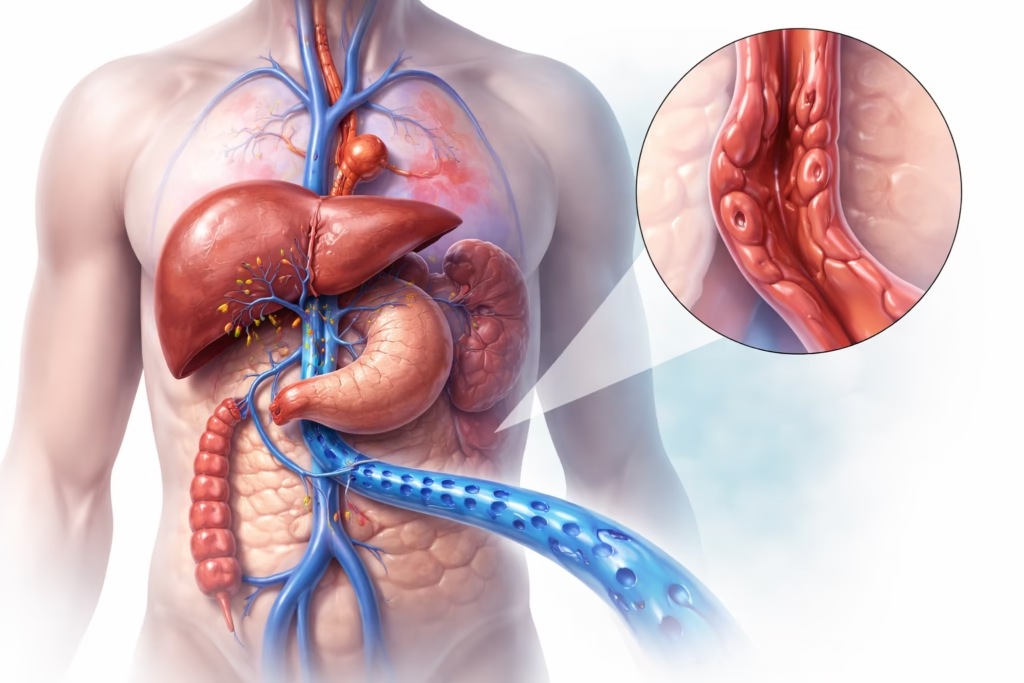
A fever is defined as a temporary elevation in body temperature above the normal range—typically over 38°C (100.4°F) when measured rectally or orally. Fever is not itself an illness; rather, it represents an immune-mediated response triggered by pyrogens (substances that influence the hypothalamus to raise the body’s thermal set point).
In children, fever commonly reflects the body mobilizing immune defenses against pathogens.
Frequent Causes of Fever
-
Viral infections: Upper respiratory infections, influenza, COVID-19, and adenoviruses
-
Bacterial infections: Ear infections, urinary tract infections, strep throat
-
Environmental factors: Heat exposure or excessive clothing
-
Post-immunization responses: Mild and transient immune activation
Fever can actually play a protective role by enhancing immune cell activity and slowing pathogen replication, but monitoring remains essential.
When to Be Concerned About Fever
While most fevers are self-limiting, specific situations require prompt attention:
-
Infants younger than 3 months: Any fever warrants evaluation
-
Persistent fever: Lasting longer than 72 hours
-
High temperature: Above 40°C (104°F)
-
Dehydration indicators: Reduced urination, dry lips, lack of tears
-
Neurological or respiratory symptoms: Confusion, seizures, labored breathing
-
Accompanying rash or severe lethargy
These signs may indicate systemic infection or complications needing clinical assessment.
What Causes Puffy Eyes in Children?
Understanding Periorbital Edema
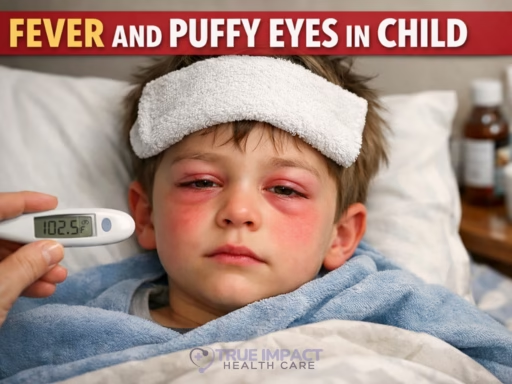
“Puffy eyes” medically referred to as periorbital edema, involve fluid accumulation in tissues surrounding the eye. The skin here is thin and vascularized, making swelling particularly noticeable even with mild fluid shifts or inflammation.
Common Triggers
-
Allergic reactions: Environmental allergens (pollen, dust mites), foods, animal dander
-
Sinus congestion: Inflammation blocking drainage pathways
-
Conjunctivitis: Viral or bacterial infection causing redness and swelling
-
Fatigue or crying: Temporary fluid retention
-
Minor injury or insect bites: Local inflammatory response
-
Fluid imbalance: Excess salt intake or dehydration
Although often harmless, persistent or severe swelling may indicate infection extending beyond superficial tissues.
The Link Between Fever and Puffy Eyes
Immune and Inflammatory Mechanisms
When fever and eye swelling occur simultaneously, they often share an inflammatory origin:
-
Immune activation: Infection increases vascular permeability, allowing fluid leakage into surrounding tissues, including eyelids.
-
Sinus involvement: Respiratory infections causing fever frequently inflame sinus cavities, impeding fluid drainage near the eyes.
-
Secondary infections: Viral illnesses may predispose children to conjunctivitis or sinusitis.
-
Systemic inflammatory response: Cytokine release during infection can promote localized swelling.
In rare cases, conditions such as periorbital cellulitis (bacterial infection of eyelid tissues) can present with both fever and swelling and require immediate treatment.
Recognizing Red Flags: When to Seek Medical Help
Symptoms Requiring Prompt Evaluation
-
Fever continuing beyond three days
-
Severe eye pain or restricted eye movement
-
Vision disturbances or light sensitivity
-
Thick yellow/green discharge
-
Rapidly expanding swelling or redness
-
High lethargy or breathing difficulty
-
Swelling accompanied by facial asymmetry
Early intervention prevents complications, especially if bacterial infection is suspected.
Home Care Tips and Remedies
Managing Fever Safely
-
Hydration: Encourage fluids to maintain electrolyte balance
-
Comfortable clothing: Avoid overheating
-
Temperature monitoring: Regular checks with reliable thermometers
-
Medication:
-
Acetaminophen or ibuprofen (age-appropriate dosing)
-
Avoid aspirin due to Reye’s syndrome risk
-
Rest and calm environments support immune recovery.
Soothing Puffy Eyes
-
Cool compress application: Reduces inflammation and improves comfort
-
Head elevation: Assists fluid redistribution
-
Allergy management: Consultation regarding antihistamines
-
Gentle cleaning: Prevents spread of infection between eyes
-
Observation: Monitor changes in color, pain, or discharge
These measures address symptoms but do not replace medical treatment if conditions worsen.
Preventive Measures
Supporting Immune and Eye Health
-
Hand hygiene education
-
Vaccination adherence
-
Environmental allergen reduction
-
Adequate nutrition: Vitamins A, C, and zinc support immunity
-
Consistent sleep routines
-
Routine pediatric checkups
Preventive strategies reduce exposure to pathogens and strengthen resilience.
Conclusion
Fever accompanied by puffy eyes in children is typically associated with common infections or allergies and often resolves with attentive home care. However, awareness of warning indicators ensures timely medical consultation when necessary.
By understanding physiological responses, implementing supportive care measures, and emphasizing prevention, parents and caregivers can confidently navigate these situations while prioritizing their child’s well-being.