
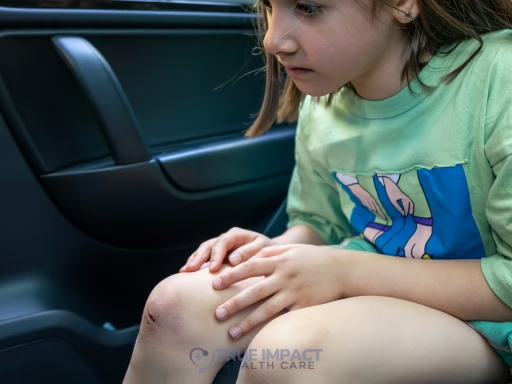
Fever and Leg Pain in Children: Causes, Symptoms, Home Remedies, and When to See a Doctor
Introduction
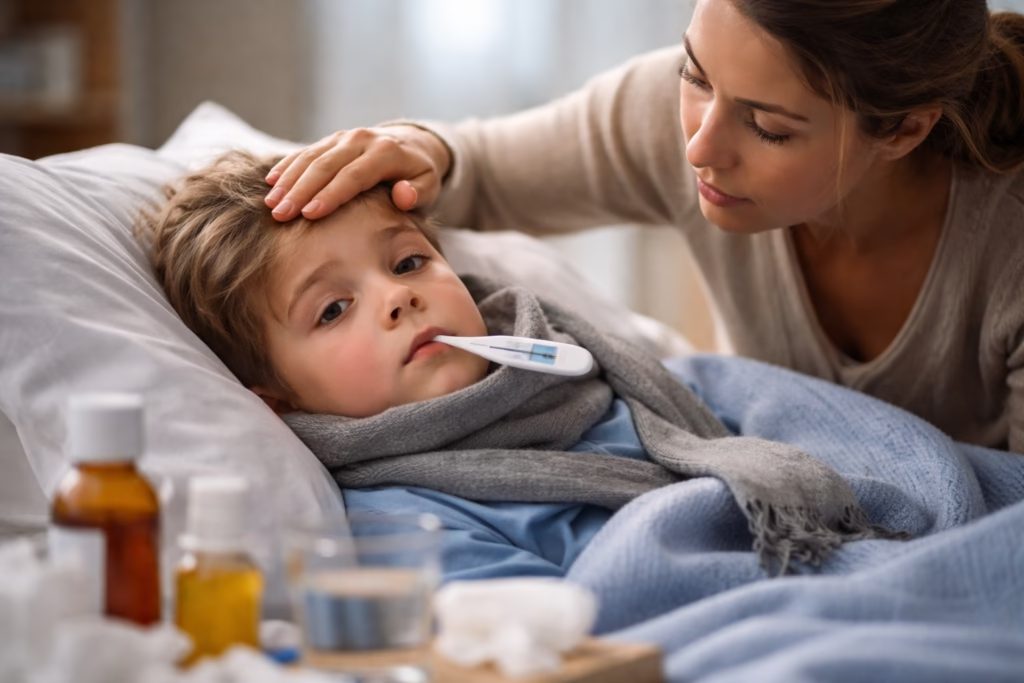
Watching your child battle a fever is stressful on its own, but add complaints of leg pain, and many parents feel a surge of worry. Fever combined with aching legs can stem from simple growing pains or signal something more serious. In this post, we’ll guide you through the most common causes, how to spot warning signs, safe home remedies, and when it’s time to call the pediatrician. Our goal is to empower you with clear, actionable information so you can help your child feel better, and rest easier yourself.
Understanding Fever and Leg Pain in Children
Before diving into causes and treatments, let’s clarify what we mean by “fever” and “leg pain” in kids:
- Fever: A body temperature above 100.4°F (38°C)
- Leg pain: Any discomfort, aching, or stiffness in the thighs, calves, knees, or ankles
Occasional fever with mild leg aches is often harmless. But persistent high fevers or severe pain warrant closer attention.
Common Causes of Fever and Leg Pain 2.1 Viral and Bacterial Infections
• Influenza (flu)
• Common cold viruses
• Strep throat (can trigger body aches)
• Lyme disease (tick-borne; often includes joint pain)
2.2 Growing Pains
• Typically affect children ages 3–8, especially at night
• Pain is usually in front of thighs, calves, or behind knees
2.3 Muscle Strain or Overuse
• Intense play, sports, or new physical activities
• Minor muscle tears can cause both discomfort and low-grade fever
2.4 Inflammatory Conditions
• Juvenile idiopathic arthritis (JIA)
• Rheumatic fever (rare, post-strep complication)
• Kawasaki disease (inflammation of blood vessels)
Recognizing the Symptoms
Watch for patterns and red flags. Note these key symptoms:
• Fever level and duration (e.g., >101°F for more than 48 hours)
• Location and severity of leg pain (e.g., one leg vs. both; ability to bear weight)
• Swelling, redness, or warmth around joints
• Limping or refusal to walk
• Associated signs: rash, headache, stiff neck, breathing difficulties
Safe At-Home Care and Remedies
Most mild cases can be managed at home with these strategies:
4.1 Fever Management
• Offer age-appropriate acetaminophen or ibuprofen (follow dosing instructions)
• Dress your child in lightweight clothing
• Keep room temperature comfortable (68–72°F)
4.2 Pain Relief and Comfort
• Warm compress or warm bath to soothe aching muscles
• Gentle leg massage or stretching exercises
• Encourage restful activities, reading, quiet play
• Ensure proper hydration; water and electrolyte drinks
4.3 Rest and Nutrition
• Balanced meals rich in proteins, vitamins, and minerals
• Plenty of fluids, water, clear broth, diluted fruit juices
• Allow extra naps or early bedtime to support recovery
When to Seek Medical Attention
Call your pediatrician or visit urgent care if your child exhibits:
• High fever (≥104°F) or fever lasting more than 72 hours
• Severe leg pain preventing walking or bearing weight
• Signs of joint inflammation (swelling, redness, heat)
• Persistent limping or refusal to move the leg
• Additional concerning symptoms: rash, stiff neck, seizures, difficulty breathing
Prevention Tips for Healthy, Active Kids
Proactive steps can lower the risk of infections and injuries that lead to fever and leg pain:
• Hand hygiene: Teach frequent handwashing with soap and water
• Up-to-date immunizations: Flu shot, Lyme disease precautions where relevant
• Proper footwear: Supportive shoes for sports and daily play
• Warm-up and cool-down: Stretch before and after exercise
• Balanced diet: Plenty of fruits, vegetables, lean proteins, and whole grains
• Hydration: Encourage water intake before, during, and after activity
Conclusion
Fever plus leg pain in a child can be a source of real worry, yet most cases resolve safely with rest, fluids, and gentle care. By understanding common causes, ranging from growing pains to viral infections, you’ll know when home remedies are enough and when to seek professional help. Monitor your little one closely, lean on pediatric guidance when red flags appear, and take preventive steps to keep them active and healthy all year round. With the right approach, you’ll help your child recover comfortably and get back to the fun of childhood in no time.





One Response