

Introduction
High blood pressure (hypertension), heart disease, and stroke often appear together in medical discussions, and for good reason. They share common causes, risk factors, and pathways. Understanding how these conditions interconnect can empower you to take proactive steps toward better cardiovascular health. In this post, we’ll explore each condition, uncover the links between them, and offer practical strategies to lower your risk.
What Is Hypertension?

Hypertension, or high blood pressure, occurs when the force of blood pushing against artery walls remains elevated over time. It’s often called the “silent killer” because it usually causes no noticeable symptoms until serious damage has occurred.
Key points about hypertension:
• Blood pressure readings:
– Normal: Less than 120/80 mm Hg
– Elevated: 120–129/80 mm Hg
– Hypertension stage 1: 130–139/80–89 mm Hg
– Hypertension stage 2: 140/90 mm Hg or higher
• Causes: genetics, poor diet (high sodium), obesity, lack of exercise, stress
• Consequences: damage to blood vessels, strain on the heart, increased risk of other cardiovascular diseases
Defining Heart Disease

“Heart disease” is an umbrella term for various conditions that affect heart structure and function. The most common type is coronary artery disease (CAD), where plaque builds up in the arteries supplying the heart muscle.
Common forms of heart disease:
• Coronary artery disease (atherosclerosis)
• Heart failure (weak or stiff heart muscle)
• Arrhythmias (irregular heartbeats)
• Valvular heart disease (damaged heart valves)
How Hypertension Leads to Heart Disease
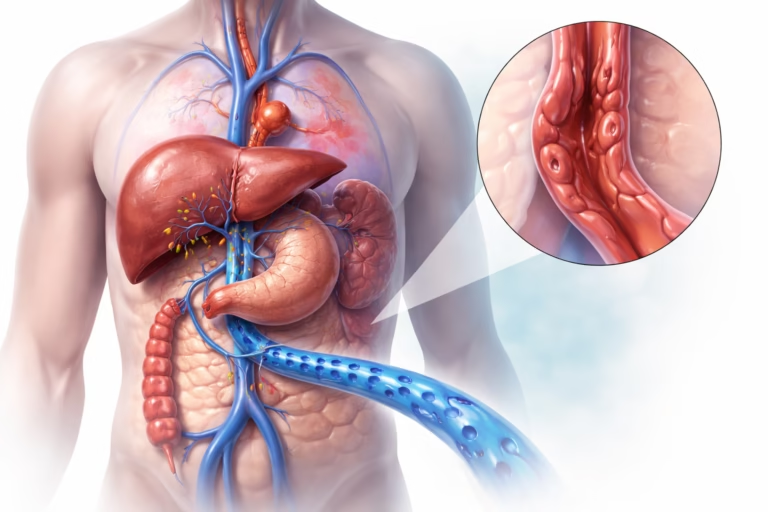
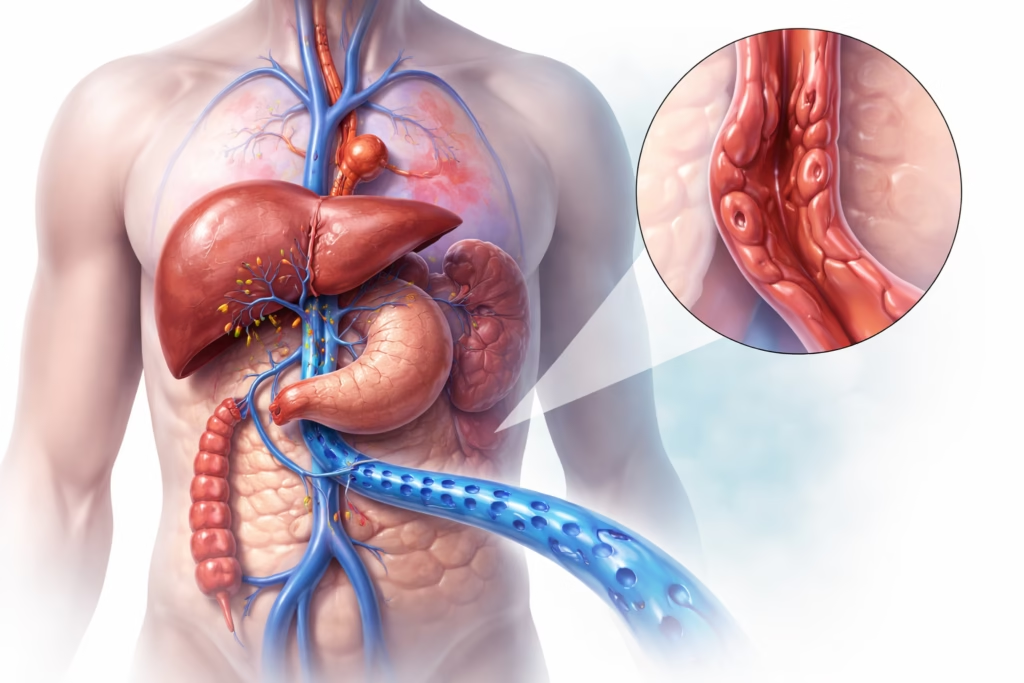
Chronically high blood pressure damages artery walls, making them stiffer and narrower. This process, atherosclerosis impedes blood flow and forces the heart to work harder.
Mechanisms linking hypertension to heart disease:
• Arterial damage and plaque formation: Elevated pressure injures the endothelium (inner lining), triggering inflammation and cholesterol buildup.
• Left ventricular hypertrophy: The heart muscle thickens to overcome higher resistance, eventually weakening and leading to heart failure.
• Increased workload: Over time, the extra effort can cause the heart to dilate and pump less efficiently.
Understanding Stroke

A stroke occurs when blood flow to a part of the brain is interrupted or when a blood vessel bursts. Without quick treatment, brain cells begin to die within minutes.
Two main types of stroke:
• Ischemic stroke (about 85% of cases): Caused by a blood clot blocking a cerebral artery.
• Hemorrhagic stroke: Caused by a ruptured blood vessel, often due to high pressure weakening the vessel wall.
The Hypertension–Stroke Connection
High blood pressure is the single most important modifiable risk factor for both ischemic and hemorrhagic stroke. Here’s why:
• Promotes clot formation: Damaged arteries are prone to plaque rupture, leading to blood clots that can travel to the brain.
• Weakens vessel walls: Chronically elevated pressure increases the risk of aneurysm and vessel rupture.
• Disrupts cerebral circulation: Hypertension accelerates small vessel disease in the brain, causing “silent” strokes that accumulate over time.
Shared Risk Factors for All Three Conditions
Many factors raise the risk of hypertension, heart disease, and stroke simultaneously. Addressing these can reduce your overall cardiovascular risk.
Major shared risk factors:
• Unhealthy diet (high salt, saturated fats, refined sugars)
• Sedentary lifestyle
• Overweight and obesity
• Smoking and excessive alcohol intake
• Diabetes and insulin resistance
• Chronic stress
• Family history and age
Prevention Strategies
While genetics play a role, lifestyle choices exert powerful influence over your cardiovascular health. Implementing the following steps can dramatically lower your risk:
• Adopt a heart-healthy diet:
– DASH (Dietary Approaches to Stop Hypertension) or Mediterranean diets
– Increase fruits, vegetables, whole grains, lean proteins
– Reduce sodium, processed foods, and sugary drinks
• Engage in regular physical activity:
– Aim for at least 150 minutes of moderate-intensity exercise per week
– Incorporate strength training twice weekly
• Maintain a healthy weight:
– Even modest weight loss can lower blood pressure and improve heart function
• Quit smoking and limit alcohol:
– Seek support groups, nicotine-replacement therapy, or professional counseling
• Monitor blood pressure regularly:
– Home blood-pressure monitors help track progress and treatment efficacy
• Manage stress:
– Practice mindfulness, deep breathing, yoga, or other relaxation techniques
• Control blood sugar and cholesterol:
– Follow your healthcare provider’s recommendations for medications and lifestyle changes
Conclusion
Hypertension, heart disease, and stroke are tightly interwoven conditions, sharing causes and compounding risks. By understanding these connections and adopting heart-healthy habits, balanced nutrition, regular exercise, stress management, and medical monitoring, you can break the cycle and protect your cardiovascular system. Take charge of your health today: small, consistent steps can yield significant long-term benefits, keeping your heart strong and your mind clear.







One Response