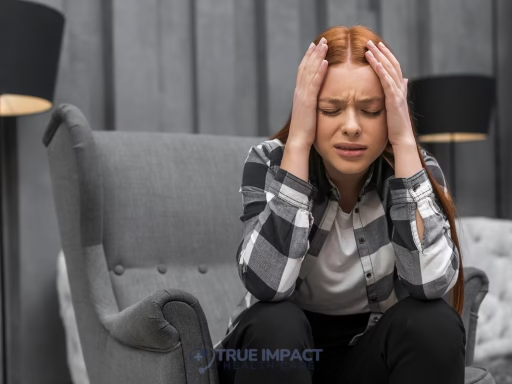
Anxiety is a common emotional response to stress, uncertainty, or perceived danger. While it’s normal to feel anxious at times, persistent or overwhelming anxiety can interfere with daily life, relationships, and overall well-being. The good news is that there are effective coping techniques that can help manage anxiety and restore a sense of calm and control.
This article explores practical, evidence-based strategies you can use to cope with anxiety in a healthy and sustainable way.
Understanding Anxiety
Anxiety often shows up as excessive worry, restlessness, racing thoughts, muscle tension, or difficulty concentrating. It can be triggered by life events, work pressure, health concerns, or ongoing stress. Learning how to cope doesn’t mean eliminating anxiety entirely, but rather developing tools to manage it effectively.
1. Practice Deep Breathing and Relaxation Techniques
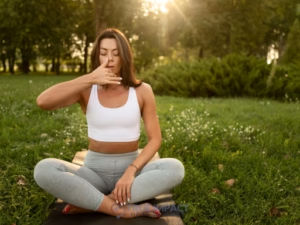
One of the fastest ways to calm anxiety is through controlled breathing.
Try this simple technique:
-
Inhale slowly through your nose for 4 seconds
-
Hold for 4 seconds
-
Exhale gently through your mouth for 6 seconds
This helps activate the body’s relaxation response and reduces physical symptoms like rapid heartbeat and tension. Progressive muscle relaxation and guided imagery can also help ease anxious feelings.
2. Challenge Negative Thought Patterns

Anxiety often feeds on unhelpful or exaggerated thoughts. Cognitive techniques can help you regain perspective.
Ask yourself:
-
Is this thought based on facts or fear?
-
What evidence supports or contradicts it?
-
What would I say to a friend in this situation?
Replacing negative thoughts with more balanced ones can significantly reduce anxiety over time.
3. Stay Physically Active

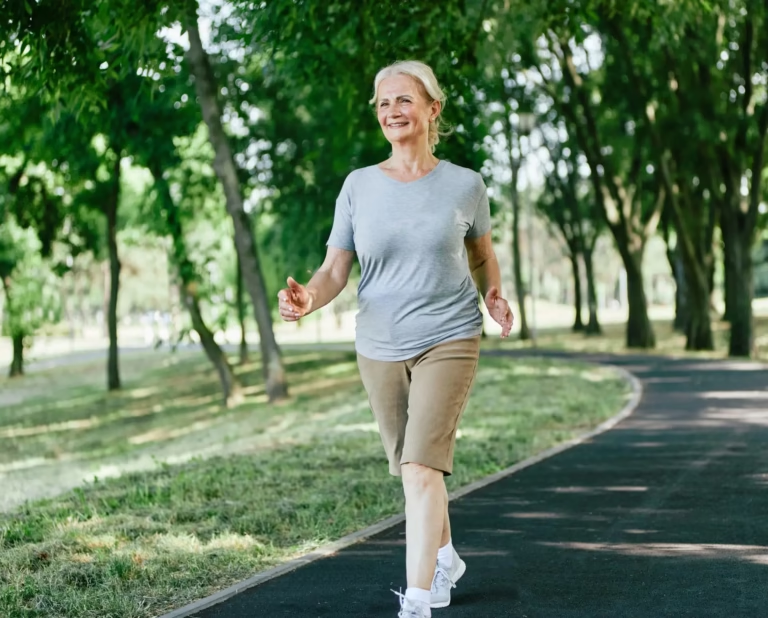
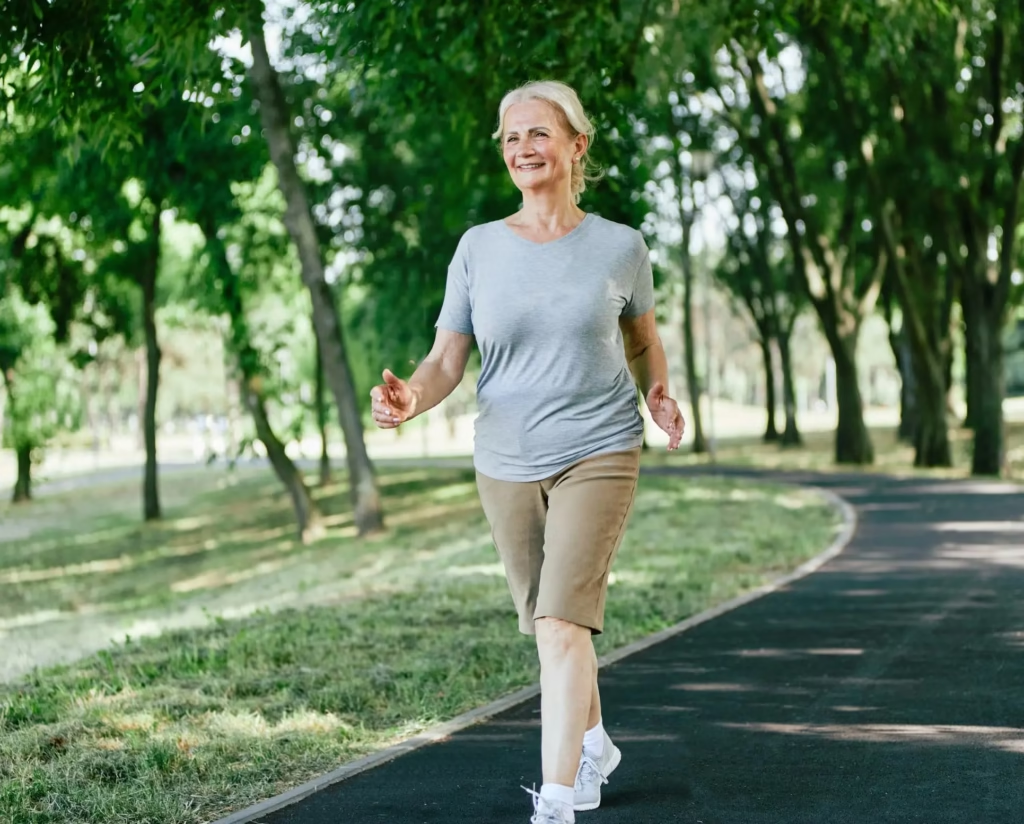
Regular physical activity is a powerful anxiety reducer. Exercise helps release endorphins, improves sleep, and lowers stress hormones.
You don’t need intense workouts, simple activities like:
-
Walking
-
Stretching
-
Yoga
-
Dancing
can make a noticeable difference when done consistently.
4. Maintain Healthy Lifestyle Habits

Your daily habits play a major role in how your body and mind handle stress.
Helpful habits include:
-
Getting enough sleep
-
Eating balanced, nutritious meals
-
Limiting caffeine and alcohol
-
Staying hydrated
A stable routine can create a sense of predictability and safety, which is especially helpful when anxiety feels overwhelming.
5. Practice Mindfulness and Meditation
Mindfulness helps you focus on the present moment instead of worrying about the future or replaying the past. Even a few minutes of mindfulness each day can reduce anxiety levels.
You can practice mindfulness by:
-
Paying attention to your breath
-
Observing your surroundings without judgment
-
Using guided meditation apps or videos
Over time, mindfulness can improve emotional regulation and resilience.
6. Set Boundaries and Manage Stress
Chronic stress often fuels anxiety. Learning to say no, prioritizing tasks, and taking breaks are essential coping skills.
Consider:
-
Breaking large tasks into smaller steps
-
Scheduling regular rest periods
-
Reducing exposure to stressful news or social media
Protecting your mental space is not selfish, it’s necessary.
7. Stay Connected and Seek Support
Talking about your feelings can be incredibly relieving. Whether it’s a trusted friend, family member, or support group, connection reduces feelings of isolation.
If anxiety becomes persistent or starts interfering with daily functioning, seeking help from a qualified mental health professional is an important and positive step.
When to Seek Professional Help
While self-help strategies are effective for many people, professional guidance may be needed if anxiety:
-
Is constant or worsening
-
Affects work, sleep, or relationships
-
Causes panic attacks or avoidance behaviors
A healthcare professional can help determine the best approach, which may include therapy, lifestyle changes, or other treatments.
Final Thoughts
Anxiety is a common part of life, but it doesn’t have to control it. By practicing healthy coping techniques, building supportive habits, and reaching out when needed, it’s possible to manage anxiety and improve overall quality of life.
Small, consistent steps can lead to meaningful change.