
Introduction
Have you ever wondered why your blood pressure spikes on a hot summer day or after a tough workout? While there are many factors at play, one surprising contributor may be something as simple as not drinking enough water. In this post, we’ll dive into the connection between dehydration and hypertension (high blood pressure). You’ll learn how fluid balance affects your cardiovascular system, what the science says, and practical tips to keep your blood pressure in check—one sip at a time.
Understanding the Basics
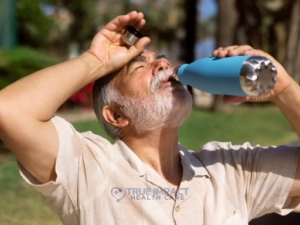
1.1 What Is Dehydration?
- A state in which your body loses more fluid than it takes in
- Can be mild, moderate, or severe depending on fluid loss and symptoms
- Common causes: heat exposure, exercise without replenishment, illness (fever, vomiting, diarrhea)
1.2 What Is Hypertension?
-
- Also known as high blood pressure
- Defined as a sustained reading of ≥130/80 mm Hg (per American Heart Association)
- “Silent killer”: often shows no symptoms but increases risk of heart disease, stroke, kidney damage
How Dehydration Impacts Blood Pressure
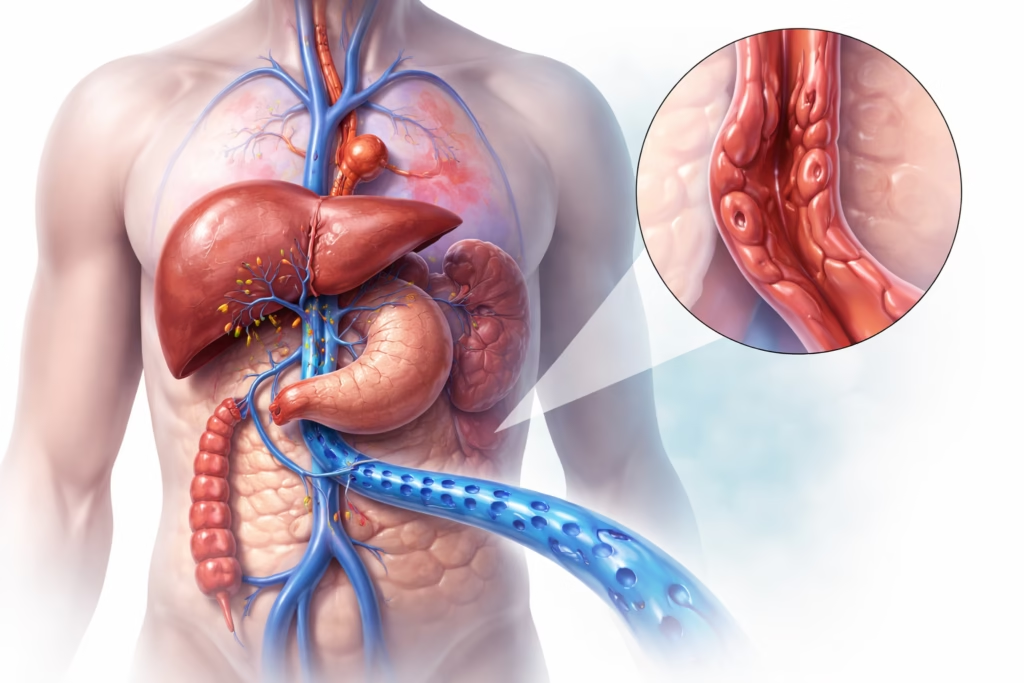
2.1 Reduced Blood Volume
- Fluid loss → lower blood volume → heart must work harder
- Short-term effect: initial drop in blood pressure (hypotension), followed by compensatory mechanisms
2.2 Hormonal Responses
- Renin–Angiotensin–Aldosterone System (RAAS):
• Dehydration triggers renin release from kidneys
• Angiotensin II constricts blood vessels and signals aldosterone release
• Aldosterone causes sodium, and water, retention, raising blood volume and pressure - Antidiuretic hormone (ADH)/vasopressin: promotes water reabsorption in kidneys, narrowing blood vessels
2.3 Increased Blood Viscosity
-
- Less water in plasma = thicker blood
- Higher viscosity increases resistance in vessels, pushing up blood pressure
What the Research Says
-
- Several observational studies link inadequate hydration to higher average blood pressure readings.
- Experimental trials show RAAS activation in mildly dehydrated individuals.
- Caveat: Many factors (diet, stress, medications) also influence hypertension, dehydration is one piece of the puzzle.
Signs You Might Be Dehydrated
-
- Thirst (often a late sign)
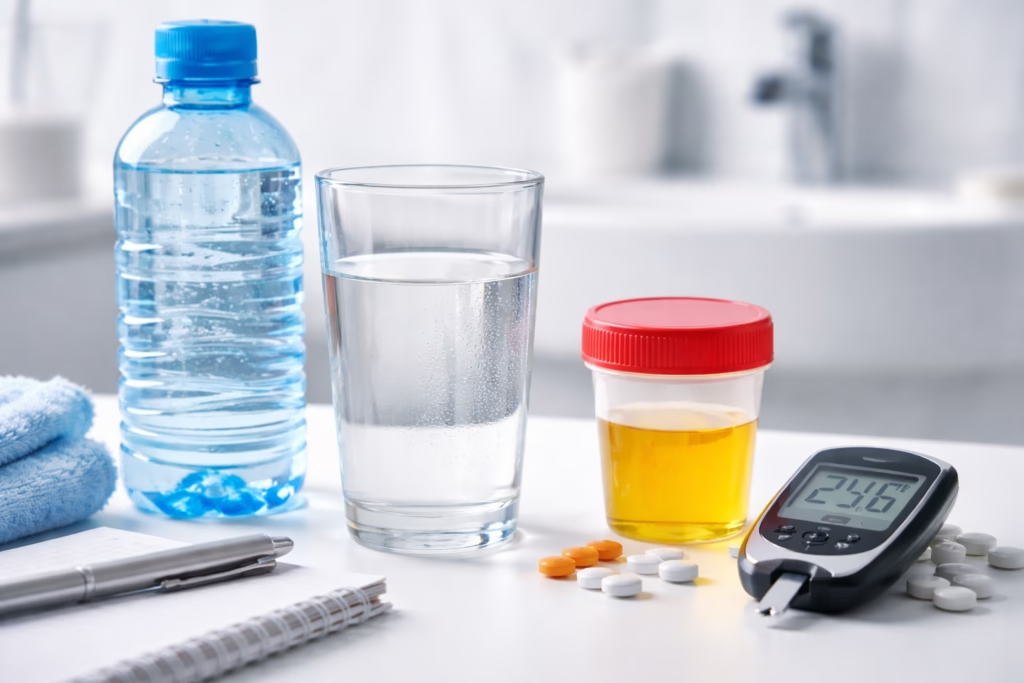
- Dark yellow urine or low urine output
- Dry mouth, eyes, or skin
- Fatigue, dizziness, headache
- Rapid heart rate
Practical Hydration Tips for Healthy Blood Pressure
5.1 Drink Consistently Throughout the Day
• Aim for at least 8 glasses (about 2 liters) daily; adjust for activity level and climate.
• Carry a refillable water bottle as a reminder.
5.2 Monitor Your Urine Color
• Pale straw-colored urine typically indicates good hydration.
5.3 Include Electrolytes
• Sodium, potassium, magnesium help fluid balance and nerve function.
• Natural sources: bananas, spinach, nuts, yogurt, diluted sports drinks when needed.
5.4 Eat Water-Rich Foods
• Cucumbers, watermelon, tomatoes, oranges, soups
• Combine hydration with nutrients and fiber.
5.5 Limit Diuretics When Possible
• Caffeine and alcohol can increase fluid loss.
• If you enjoy these beverages, balance them with extra water intake.
When to Seek Medical Advice
-
- Persistent high blood pressure readings despite lifestyle changes
- Signs of severe dehydration: confusion, very low urine output, rapid breathing/heart rate
- If you’re on blood pressure medications or have kidney issues, consult your physician before drastically changing fluid intake
Conclusion
While dehydration alone isn’t the sole cause of hypertension, it can trigger a cascade of physiological responses that elevate your blood pressure. By maintaining proper hydration, alongside a balanced diet, regular exercise, stress management, and medical oversight, you’ll give your cardiovascular system a fighting chance against high blood pressure. Next time you feel thirsty, remember: staying hydrated isn’t just about quenching your thirst, it’s also about keeping your heart, and your entire body, running smoothly.
Takeaway Tips
- Sip water steadily throughout the day rather than in large infrequent gulps.
- Pair hydration with electrolytes and water-rich foods.
- Keep an eye on urine color and volume as simple hydration cues.
- Seek professional guidance if high blood pressure persists.
Stay hydrated, stay healthy, and let every glass of water be a step toward better blood pressure.