Introduction
Blood pressure is one of the most vital signs your body provides, yet it’s often overlooked until something goes wrong. Whether your readings fall too low (hypotension) or too high (hypertension), both conditions can affect your health, energy levels, and long-term well-being. In this post, we’ll break down what hypotension and hypertension are, how to recognize them, what causes each, and practical steps you can take to manage or prevent blood pressure extremes. Let’s dive in!
Understanding Blood Pressure Basics
Before exploring the differences, it helps to know what blood pressure actually measures.
• Systolic Pressure (top number): The force when your heart contracts.
• Diastolic Pressure (bottom number): The force when your heart relaxes between beats.
Normal adult blood pressure typically sits around 120/80 mmHg. Anything consistently below or above can raise red flags.
What Is Hypotension? (Low Blood Pressure)
Definition:
Hypotension is a medical condition characterized by abnormally low blood pressure, typically defined as a systolic blood pressure of less than 90 mmHg and/or a diastolic blood pressure of less than 60 mmHg. When blood pressure falls below these levels, the heart may not be able to pump enough blood to vital organs such as the brain, heart, and kidneys, potentially leading to symptoms like dizziness, fainting, blurred vision, fatigue, or, in severe cases, shock.
Causes of Hypotension
• Dehydration (fluid loss)
Dehydration occurs when the body loses more fluids than it takes in, such as through excessive sweating, vomiting, diarrhea, or inadequate water intake. This reduces the total volume of blood circulating in the body, leading to a drop in blood pressure because there is less fluid available for the heart to pump.
• Prolonged bed rest or inactivity
Staying in bed or being inactive for long periods can weaken the body’s ability to regulate blood pressure. When a person stands up after prolonged rest, gravity causes blood to pool in the legs, and the cardiovascular system may not respond quickly enough, resulting in low blood pressure, especially upon standing (orthostatic hypotension).
• Severe infection (septicemia)
Septicemia, or sepsis, is a life-threatening condition caused by a severe infection spreading into the bloodstream. It triggers widespread inflammation and blood vessel dilation, which significantly lowers blood pressure and reduces blood flow to vital organs.
• Heart problems (bradycardia, heart valve issues)
Certain heart conditions can reduce the heart’s ability to pump blood effectively. Bradycardia (abnormally slow heart rate) limits the amount of blood pumped per minute, while damaged or narrowed heart valves interfere with proper blood flow, both of which can lead to hypotension.
• Endocrine disorders (e.g., Addison’s disease)
Endocrine disorders affect hormone production, which plays a key role in regulating blood pressure. In Addison’s disease, the adrenal glands produce insufficient amounts of hormones like cortisol and aldosterone, leading to reduced blood volume and low blood pressure.
• Medication side effects (diuretics, alpha-blockers)
Some medications can lower blood pressure as a side effect. Diuretics increase urine output, reducing blood volume, while alpha-blockers relax blood vessels. When these effects are too strong, they can cause blood pressure to drop below normal levels.
Common Symptoms
• Dizziness or lightheadedness
This occurs when there is reduced blood flow to the brain, especially when standing up quickly. It may feel like unsteadiness or a spinning sensation.
• Blurred vision
Low blood pressure can temporarily reduce oxygen supply to the eyes and brain, causing vision to become unclear or dim.
• Weakness or fatigue
Insufficient blood flow to muscles and tissues can make a person feel unusually tired, weak, or lacking energy, even with minimal activity.
• Nausea
Decreased blood flow to the digestive system can upset normal stomach function, leading to feelings of nausea or discomfort.
• Fainting (syncope)
In severe cases, reduced blood flow to the brain may cause a temporary loss of consciousness as the body attempts to restore adequate circulation.
• Cold, clammy skin
Poor circulation causes the skin to feel cold and sweaty, as the body redirects blood toward vital organs like the heart and brain.
Who’s at Risk?
• Older adults
As people age, blood vessels become less flexible and the body’s ability to regulate blood pressure may decline. Older adults are also more likely to have chronic illnesses or take medications that lower blood pressure, increasing their risk of hypotension, especially when standing up suddenly.
• People on blood pressure–lowering medications
Individuals taking medications such as diuretics, beta-blockers, or alpha-blockers may experience excessive drops in blood pressure. These drugs are designed to reduce high blood pressure, but in some cases they can lower it too much, leading to hypotension.
• Athletes after intense workouts (post-exercise hypotension)
After strenuous exercise, blood vessels remain dilated to help cool the body and deliver oxygen to muscles. If an athlete stops suddenly without a proper cool-down, blood may pool in the limbs, causing a temporary drop in blood pressure and symptoms like dizziness or fainting.
What Is Hypertension? (High Blood Pressure)

Definition:
Hypertension is a chronic medical condition in which blood pressure remains persistently elevated, defined by the American Heart Association as a systolic pressure of 130 mmHg or higher and/or a diastolic pressure of 80 mmHg or higher on repeated measurements. Over time, uncontrolled hypertension increases the risk of serious health complications such as heart disease, stroke, kidney damage, and vision problems.
Types of Hypertension
• Primary (essential) hypertension
Primary hypertension is the most common type of high blood pressure and has no clearly identifiable single cause. It develops gradually over many years and is often linked to factors such as genetics, aging, poor diet, stress, lack of physical activity, and lifestyle habits. Because symptoms are usually absent, many people may have this condition without realizing it.
• Secondary hypertension
Secondary hypertension occurs as a result of an underlying medical condition or external factor. Common causes include kidney disease, hormonal disorders (such as adrenal or thyroid problems), sleep apnea, and the use of certain medications. Unlike primary hypertension, secondary hypertension often appears suddenly and can be more severe, but it may improve or resolve once the underlying cause is treated.
Major Causes and Risk Factors
• Family history of high blood pressure
Genetics play a significant role in the development of hypertension. Individuals with close relatives who have high blood pressure are more likely to develop the condition, especially when combined with unhealthy lifestyle habits.
• Unhealthy diet (high salt, processed foods)
Diets high in salt and processed foods increase fluid retention and cause blood vessels to narrow, which raises blood pressure. Processed foods often contain hidden sodium and unhealthy fats that contribute to long-term cardiovascular strain.
• Sedentary lifestyle
Lack of regular physical activity weakens the heart and reduces blood vessel flexibility. This makes the heart work harder to pump blood, leading to elevated blood pressure over time.
• Obesity
Excess body weight increases the workload on the heart and promotes hormonal and metabolic changes that raise blood pressure. Obesity is also closely linked to insulin resistance and inflammation, which worsen hypertension.
• Excessive alcohol consumption
Drinking large amounts of alcohol can raise blood pressure by affecting the nervous system and damaging blood vessels. Chronic alcohol use also reduces the effectiveness of blood pressure medications.
• Chronic stress
Long-term stress triggers the continuous release of stress hormones such as cortisol and adrenaline, which increase heart rate and constrict blood vessels, leading to persistently high blood pressure.
• Tobacco use
Smoking and other forms of tobacco use damage blood vessel walls and cause temporary spikes in blood pressure. Over time, this damage contributes to hardening of the arteries and sustained hypertension.
Symptoms (Often Asymptomatic)
High blood pressure is often referred to as the “silent killer” because many individuals do not experience noticeable symptoms for years, even while significant damage is occurring to the heart, blood vessels, kidneys, and brain. In many cases, hypertension is only discovered during routine medical checkups.
When symptoms do occur, they may include:
• Headaches (particularly in the morning)
These headaches are often dull or throbbing and may result from increased pressure in the blood vessels supplying the brain.
• Nosebleeds
Elevated blood pressure can weaken or rupture small blood vessels in the nose, leading to spontaneous nosebleeds, especially in severe or uncontrolled cases.
• Shortness of breath
High blood pressure places extra strain on the heart, which can reduce its ability to pump blood efficiently, causing breathlessness during physical activity or even at rest.
• Chest pain or palpitations
Increased pressure on the heart may lead to chest discomfort or an awareness of abnormal heartbeats, which can signal serious cardiovascular stress and requires immediate medical attention.
Key Differences at a Glance
• Definition
Hypotension refers to abnormally low blood pressure, typically below 90/60 mmHg, while hypertension refers to persistently high blood pressure, defined as 130/80 mmHg or higher.
• Symptoms
Hypotension often presents with noticeable symptoms such as dizziness, lightheadedness, fainting, and fatigue due to reduced blood flow to the brain. In contrast, hypertension is frequently asymptomatic, earning the name “silent killer,” because many individuals feel normal despite ongoing organ damage.
• Risks
Hypotension increases the risk of falls, injury, and in severe cases, shock due to inadequate blood supply to vital organs. Hypertension significantly raises the risk of serious complications including stroke, heart disease, kidney failure, and vision loss.
• Treatment goals
The primary goal in treating hypotension is to raise blood pressure to ensure adequate organ perfusion, while treatment of hypertension focuses on lowering blood pressure to prevent long-term cardiovascular and organ damage.
Diagnosing Blood Pressure Disorders
• Home Monitoring
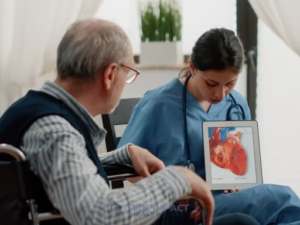
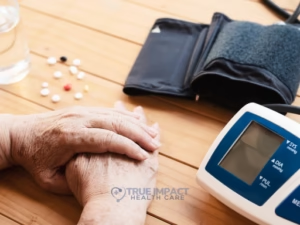
Home blood pressure monitoring involves using automated cuffs to record daily readings in a familiar environment. This method helps reduce “white-coat hypertension” (elevated readings caused by anxiety in clinical settings) and provides valuable data on day-to-day blood pressure patterns.
• Clinical Measurement
In a healthcare setting, blood pressure is measured using a validated device, and multiple readings are taken on different days. This approach ensures accuracy and confirms whether high or low blood pressure is persistent rather than temporary.
• Ambulatory Blood Pressure Monitoring (ABPM)
ABPM is considered one of the most accurate diagnostic tools. It tracks blood pressure continuously over a 24-hour period, including during sleep, allowing clinicians to identify abnormal patterns such as nighttime hypertension or masked hypotension.
• Lab Tests & Imaging
Laboratory tests and imaging studies are used to detect underlying or secondary causes of blood pressure disorders. These may include blood and urine tests, echocardiograms to assess heart structure and function, and ultrasounds to evaluate kidneys or blood vessels.
Treatment and Management Strategies
A. Managing Hypotension
—Dietary Adjustments
Increasing fluid intake helps raise blood volume and improve circulation. Drinking water and electrolyte-containing fluids can be especially helpful for individuals prone to dehydration. In some cases, adding moderate amounts of salt may help retain fluids and increase blood pressure, but this should only be done under medical supervision to avoid complications.
—Lifestyle Modifications
Standing up slowly from sitting or lying positions allows the body time to adjust blood flow and reduces dizziness or fainting. Wearing compression stockings helps prevent blood from pooling in the legs, improving blood return to the heart and maintaining stable blood pressure.
—Medications (in severe cases)
When lifestyle and dietary changes are insufficient, medications may be prescribed. Fludrocortisone helps the body retain sodium and water, increasing blood volume, while midodrine works by constricting blood vessels to raise blood pressure and improve symptoms.
B. Managing Hypertension
—Heart-Healthy Diet
The DASH (Dietary Approaches to Stop Hypertension) diet emphasizes fruits, vegetables, whole grains, lean proteins, and low-fat dairy products, which help lower blood pressure naturally. Reducing sodium intake to less than 1,500 mg per day further decreases fluid retention and vascular pressure.
—Regular Exercise
Engaging in at least 150 minutes of moderate-intensity physical activity per week, such as brisk walking or cycling, strengthens the heart and improves blood vessel function. Including strength training exercises twice weekly enhances overall cardiovascular health.
—Weight Management
Losing as little as 5–10% of body weight can significantly reduce blood pressure by lowering the workload on the heart and improving metabolic balance.
—Stress Reduction
Chronic stress contributes to sustained high blood pressure. Techniques such as mindfulness, yoga, and deep-breathing exercises help relax blood vessels, lower heart rate, and promote long-term blood pressure control.
—Medications (as prescribed)
When lifestyle changes are not sufficient, antihypertensive medications may be prescribed. These include ACE inhibitors, angiotensin receptor blockers (ARBs), calcium-channel blockers, and diuretics, all of which work through different mechanisms to safely lower blood pressure and reduce the risk of complications.
Prevention: Keeping Blood Pressure in Check

• Maintain a balanced diet low in sodium and processed foods.
• Stay active, aim for at least 30 minutes of moderate exercise most days.
• Monitor your blood pressure regularly, especially if you have risk factors.
• Limit alcohol (1 drink/day for women, 2 for men) and avoid tobacco.
• Manage stress through hobbies, social connections, and professional support if needed.
Conclusion
Understanding the difference between hypotension and hypertension is crucial to safeguarding your cardiovascular health. While low blood pressure can leave you dizzy and weak, high blood pressure quietly damages your organs over time. Regular monitoring, a balanced lifestyle, and prompt medical care are your best defenses. If you notice persistent dizziness, fainting spells, or unusually high readings, consult your healthcare provider. By staying informed and proactive, you can keep your blood pressure, and your health, in the optimal range.
Remember: small, consistent changes today lead to big health benefits tomorrow. Stay mindful, stay active, and stay healthy!