
Are you curious about clue cells and what they mean for your health? Let’s dive into this topic and explore what clue cells are, what causes them, and what you can do to treat and prevent them.
- Clue cells are epithelial vaginal cells coated with Gardnerella, signaling bacterial vaginosis rather than being harmful themselves.
- Common causes include bacterial vaginosis, poor hygiene, unprotected sex, recent antibiotics or procedures, and hormonal changes like pregnancy or contraception.
- Diagnosis relies on microscopic wet mount to see clue cells, plus pH testing; sometimes cultures or DNA tests confirm the bacteria.
- Treatment typically includes antibiotics like metronidazole or clindamycin, pH balancing, probiotics, lifestyle changes, and follow-up testing.
- Prevent with good hygiene, breathable cotton underwear, avoid douching, practice safe sex, stay hydrated, and eat a balanced, low-sugar diet.
What are Clue Cells?
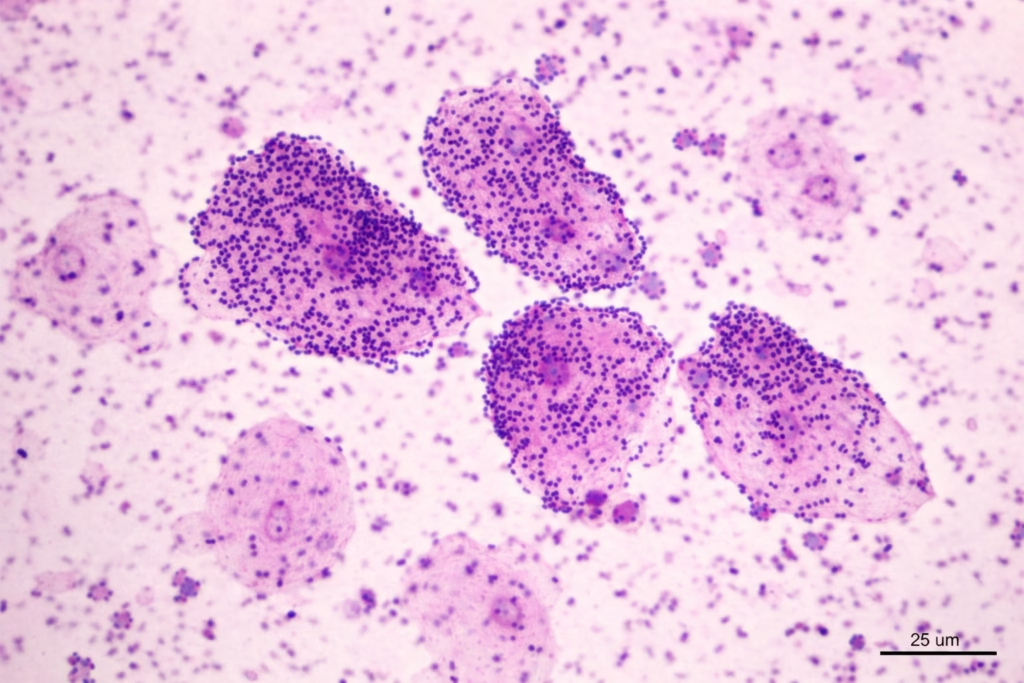
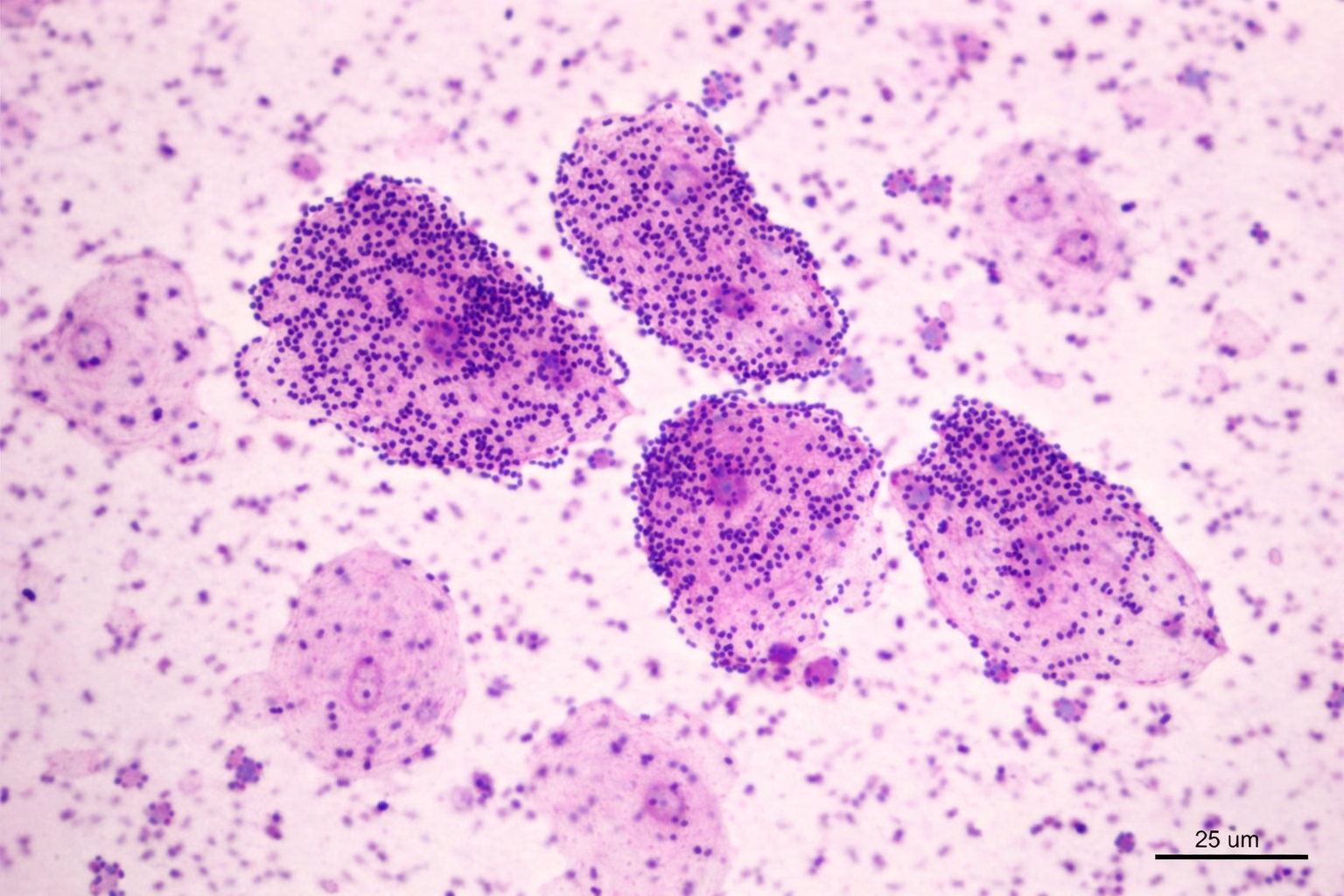
Clue cells are epithelial cells that are covered with bacteria, specifically Gardnerella vaginalis. These cells are typically found in the vaginal discharge of women who have bacterial vaginosis (BV). BV is a common vaginal infection that occurs when there is an imbalance of bacteria in the vagina, leading to an overgrowth of harmful bacteria like Gardnerella vaginalis.
Clue cells can be identified through a microscopic examination of a vaginal swab. When these cells are present in the vaginal discharge, it is a strong indicator of bacterial vaginosis.
It’s important to note that clue cells are not harmful on their own, but they are a sign of an underlying issue that needs to be addressed. If you suspect you have clue cells in your vaginal discharge, it’s essential to consult with your healthcare provider for proper diagnosis and treatment.
Now that you have a better understanding of what clue cells are, let’s take a closer look at what causes them and what symptoms to watch out for.
Causes of Clue Cells
So, you might be wondering what exactly causes clue cells to show up in your vaginal discharge. Well, let me break it down for you in a simple and easy-to-understand way.
Related Posts:



1. Bacterial Vaginosis (BV): One of the main culprits behind clue cells is bacterial vaginosis, a common vaginal infection caused by an imbalance of bacteria in the vagina. When the “good” bacteria in your vagina are outnumbered by the “bad” bacteria, it can lead to the presence of clue cells in your discharge.
2. Poor Hygiene: Not practicing good hygiene habits, such as wearing damp or tight clothing for extended periods, using scented soaps or douching, can disrupt the natural balance of bacteria in your vagina and increase your risk of developing clue cells.
3. Sexual Activity: Engaging in unprotected sexual intercourse or having multiple sexual partners can also increase your chances of developing clue cells. This is because the exchange of bodily fluids can introduce new bacteria into your vagina, disrupting its natural balance.
4. Medical Procedures: Certain medical procedures, such as a recent pelvic exam, vaginal surgery, or the use of certain medications like antibiotics, can also disrupt the vaginal flora and lead to the presence of clue cells.
5. Hormonal Changes: Fluctuations in hormone levels, such as during pregnancy, menopause, or while taking hormonal birth control, can also contribute to the development of clue cells in your vaginal discharge.
It’s important to note that while clue cells themselves are not harmful, they are often a sign of an underlying issue, such as bacterial vaginosis, that may require treatment. If you notice clue cells in your discharge or experience any unusual symptoms, it’s essential to consult with your healthcare provider for a proper diagnosis and treatment plan.
Remember, maintaining good hygiene practices, practicing safe sex, and keeping an eye on any changes in your vaginal discharge can help reduce your risk of developing clue cells and other vaginal infections. Your health is important, so don’t hesitate to seek medical advice if you have any concerns.
Diagnosis of Clue Cells
So, you suspect you may have clue cells – what now? Well, the first step is to visit your healthcare provider for an accurate diagnosis. Your doctor will likely start by taking a detailed medical history and asking about any symptoms you may be experiencing.
One of the primary methods used to diagnose clue cells is a microscopic examination of a wet mount preparation of vaginal discharge. During this procedure, a sample of your vaginal discharge is placed on a slide and examined under a microscope. If clue cells are present, they will be visible under magnification.
In addition to a wet mount preparation, your doctor may also perform a pH test to determine the acidity level of your vaginal discharge. A high pH level can be an indicator of bacterial vaginosis, the condition often associated with clue cells.
In some cases, your healthcare provider may also order additional tests, such as a vaginal culture or a DNA test, to confirm the presence of clue cells and identify the specific bacteria causing the infection.
It’s important to note that self-diagnosis or using over-the-counter tests may not always be accurate. Therefore, it’s crucial to seek professional medical advice for a proper diagnosis and treatment plan.
If you are diagnosed with clue cells, your doctor will work with you to develop a treatment plan tailored to your specific needs. This may include antibiotics, such as metronidazole or clindamycin, to help clear up the bacterial infection causing the presence of clue cells.
Remember, early detection and treatment are key to managing clue cells and preventing any potential complications. So don’t hesitate to reach out to your healthcare provider if you suspect you may have clue cells or any other vaginal health concerns.
Take care of your health, and remember that your doctor is there to help you navigate any issues that may arise. Stay informed, stay proactive, and don’t be afraid to seek help when needed. Your well-being is important, so prioritize your health and seek the care you deserve.
Treatment for Clue Cells
So, you’ve been diagnosed with clue cells – now what? Don’t worry, treatment is available to help you get rid of those pesky bacteria and restore your vaginal health. Let’s dive into the different treatment options that your healthcare provider may recommend.
1. Antibiotics
One of the most common treatments for clue cells is antibiotics. Your doctor may prescribe oral antibiotics or antibiotic creams to help eliminate the bacterial infection causing clue cells. It’s important to follow the prescribed dosage and finish the entire course of antibiotics to ensure that the infection is completely cleared.
2. Vaginal pH Balancing Products
Using pH balancing products specifically designed for vaginal health can help restore the natural balance of bacteria in your vagina. These products can help create an environment that is less favorable for harmful bacteria to thrive, promoting the growth of healthy bacteria instead.
3. Probiotics
Probiotics are live bacteria and yeasts that are good for your health, especially your digestive system. They can also help maintain the balance of bacteria in your vagina. Your healthcare provider may recommend taking probiotic supplements or eating probiotic-rich foods to support the growth of beneficial bacteria in your body.
4. Lifestyle Changes
Making some changes to your lifestyle can also help prevent the recurrence of clue cells. Maintaining good hygiene practices, wearing breathable cotton underwear, avoiding douching, and practicing safe sex can all contribute to a healthier vaginal environment.
5. Follow-Up Care
It’s essential to follow up with your healthcare provider after completing your treatment for clue cells. They may recommend additional tests to ensure that the infection has been successfully cleared. Keeping open communication with your doctor can help prevent future episodes of clue cells and maintain your vaginal health.
Remember, everyone’s body is different, so what works for one person may not work for another. It’s important to consult with your healthcare provider to determine the best treatment plan for your specific needs. Don’t be afraid to ask questions or voice any concerns you may have – your health is important, and you deserve the best care possible.
With the right treatment and a proactive approach to your vaginal health, you can say goodbye to clue cells and hello to a happier, healthier you.
Prevention of Clue Cells
So, you’ve heard about clue cells and you’re wondering how to prevent them from causing any trouble in your vaginal health. Well, you’re in the right place! Here are some simple tips and tricks to keep clue cells at bay and maintain a healthy balance in your vaginal flora.
1. Practice Good Hygiene
It’s important to maintain good hygiene practices to prevent any bacterial overgrowth in your vaginal area. Make sure to wash your genital area with a mild soap and water regularly, especially after sweating or using the restroom. Avoid using harsh products that can disrupt the natural balance of bacteria in your vagina.
2. Wear Breathable Clothing
Choosing the right clothing can make a big difference in preventing clue cells. Opt for breathable cotton underwear and avoid tight-fitting clothing that can trap moisture and promote bacterial growth. Remember, airflow is your friend when it comes to keeping your vaginal area healthy!
3. Stay Hydrated
Drinking plenty of water can help flush out toxins and bacteria from your body, including your vaginal area. Aim to drink at least 8 glasses of water a day to stay hydrated and maintain a healthy balance of bacteria in your system.
4. Practice Safe Sex
Using protection during sexual intercourse can help prevent the spread of sexually transmitted infections that can lead to clue cells. Make sure to use condoms consistently and correctly to reduce your risk of contracting any infections that could disrupt your vaginal flora.
5. Avoid Douching
Douching can disrupt the natural pH balance of your vagina and lead to an overgrowth of harmful bacteria, including clue cells. It’s best to avoid douching altogether and let your body’s natural cleansing mechanisms do their job. Your vagina is self-cleaning, so let it do its thing!
6. Maintain a Healthy Diet
Eating a balanced diet rich in fruits, vegetables, and whole grains can help support your immune system and keep your vaginal flora in check. Avoid excessive sugar and processed foods that can feed harmful bacteria and disrupt the balance of your vaginal microbiome.
By following these simple tips and making some healthy lifestyle changes, you can help prevent clue cells and maintain a happy, healthy vagina. Remember, it’s important to listen to your body and seek medical advice if you experience any unusual symptoms or changes in your vaginal health. Your gynecologist is always there to help you navigate any concerns and keep your vaginal flora in tip-top shape!