
Child Has Fever for 7 Days: When to Worry and What to Do Next
Introduction
Few things worry a parent more than when their child has a persistent fever. If your child has had a fever for 7 days straight, it’s natural to feel anxious and wonder what’s behind it. In this post, we’ll explore common causes of a week-long fever in children, red flags that call for immediate medical attention, at-home steps you can take to help your little one feel more comfortable, and how doctors diagnose and treat prolonged fevers. Our goal is to arm you with evidence-based information so you can make informed decisions and act quickly if needed.
Understanding Fever in Children

• What is a fever?
– A fever is generally defined as a body temperature at or above 100.4°F (38°C).
– It’s a natural defense: your child’s immune system heats up to fight off germs.
• When does a fever become concerning?
– Single fevers are common with colds and mild infections, usually resolving in 2–3 days.
– A fever lasting 7 days or more is called a “prolonged” or “persistent” fever and warrants closer attention.
Common Causes of a 7-Day Fever in Children

a. Viral Infections
– Mononucleosis (EBV)
– Cytomegalovirus (CMV)
– Roseola (often starts with high fever, then rash)
– COVID-19 or other respiratory viruses
b. Bacterial Infections
– Urinary tract infections (UTIs)
– Sinusitis or otitis media (ear infections)
– Pneumonia or other deeper lung infections
c. Inflammatory and Autoimmune Conditions
– Juvenile idiopathic arthritis
– Kawasaki disease (high fever + rash, red eyes, swollen hands/feet)
d. Other Less Common Causes
– Drug reactions (medications can sometimes trigger fever)
– Heat exhaustion or heat stroke in hot climates
– Malaria or other tropical diseases (if there’s relevant travel history)
Red Flags: When to Seek Immediate Medical Care
If your child has had a fever for 7 days, contact your pediatrician and head to the ER if you notice any of these warning signs:
• Temperature above 104°F (40°C) despite fever-reducing medications
• Severe headache, neck stiffness, or confusion
• Persistent vomiting or inability to keep fluids down
• Difficulty breathing or rapid breathing
• Signs of dehydration (dry mouth, no tears, few wet diapers)
• Purple spots or rash that doesn’t fade under pressure (Glass Test)
• Lethargy or unresponsiveness
At-Home Care and Comfort Measures

While you’re arranging medical evaluation, here are steps to keep your child comfortable:
• Hydration
– Offer clear fluids: water, oral rehydration solutions, diluted fruit juice
– Popsicles can help with fluid intake and soothe sore throats
• Temperature Management
– Dress your child in light, breathable clothing
– Keep the room at a comfortable temperature (68°F–72°F)
– Use tepid sponge baths or cool compresses on the forehead
• Fever-Reducing Medications
– Acetaminophen (Tylenol) or ibuprofen (Advil, Motrin) according to dosing guidelines
– Never give aspirin to children (risk of Reye’s syndrome)
• Rest and Nutrition
– Encourage quiet activities: reading, puzzles, storytelling
– Offer easy-to-digest, nutrient-rich foods: broths, yogurt, bananas, rice
Medical Diagnosis and Treatment Options
• Diagnostic Tests Your Pediatrician May Order
– Blood tests (CBC, inflammatory markers like CRP/ESR)
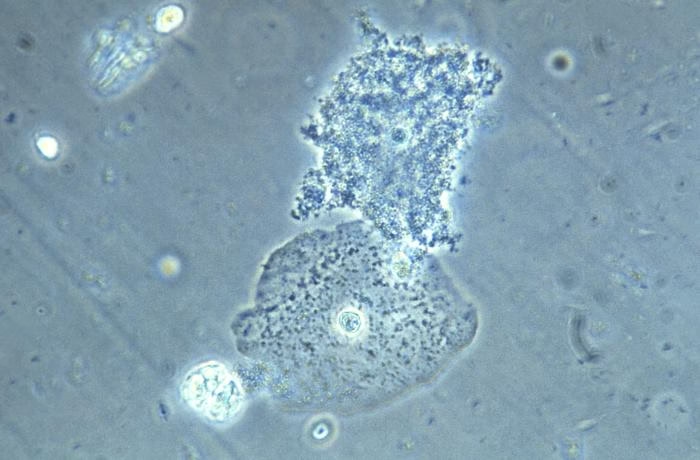
– Urine analysis and culture
– Chest X-ray if respiratory symptoms are present
– Throat swab or viral panels (to check for RSV, influenza, COVID-19)
– Ultrasound or other imaging if appendicitis or deep infection is suspected
• Potential Treatments
– Antibiotics for confirmed bacterial infections
– Antiviral medications in select cases (e.g., severe influenza)
– Intravenous fluids if dehydration is severe
– Hospital admission for intravenous antibiotics or close monitoring
Preventing Future Prolonged Fevers
• Stay Up to Date on Vaccinations
– Flu shot, MMR, DTaP, COVID-19 vaccine (age-appropriate)
• Practice Good Hygiene
– Frequent hand-washing with soap and water
– Teach your child to cover coughs and sneezes
• Keep Sick Children Home
– Reduces the spread of contagious viruses and bacteria
• Maintain a Healthy Lifestyle
– Nutritious diet, regular sleep, daily physical activity
Conclusion
A child has fever for 7 days, while unsettling, doesn’t always point to a life-threatening condition. Viral infections are often the culprit, but bacterial infections, inflammatory diseases, and other causes must be ruled out by a healthcare professional. In the meantime, you can help your child feel more comfortable with hydration, rest, fever-reducing medicines, and a cool environment. Keep an eye out for red-flag symptoms and seek prompt medical evaluation. With the right care and timely intervention, most children recover fully and return to their playful selves soon. Always trust your parental instincts, when in doubt, call your pediatrician.