
Can You Get a Growth Spurt at 17? Understanding Late Adolescent Growth
Introduction
Many teenagers wonder if it’s still possible to shoot up in height once they hit their late teens. By age 17, most individuals have experienced the bulk of their adolescent growth, but the possibility of a late growth spurt is not entirely out of reach.
Height development is governed by a combination of genetics, hormones, nutrition, and lifestyle factors. In this guide, we’ll explain:
-
How growth occurs in late adolescence
-
Factors that influence a growth spurt at 17
-
Practical steps to maximize your height potential
-
When to seek professional guidance
Whether you’re curious about gaining a few inches or simply want to optimize your overall health, this post provides a clear roadmap.
Understanding Growth Spurts
The Biology of Growth Plates
Growth occurs primarily at growth plates (epiphyseal plates)—areas of cartilage located at the ends of long bones.
-
These plates are the “engine” for bone lengthening during adolescence.
-
Hormones like growth hormone (GH), insulin-like growth factor-1 (IGF-1), and sex steroids (estrogen and testosterone) regulate their activity.
-
Fusion of growth plates signals the end of height growth:
-
Girls: typically 16–17 years
-
Boys: typically 18–21 years
-
-
Once fused, bones can no longer lengthen, making the timing of late growth highly individual.
Puberty Timeline and Variability
-
Early vs. late bloomers: Some teens experience puberty later, which can delay their peak growth period.
-
Girls: Often reach final height earlier than boys.
-
Boys: Can continue growing into their early 20s.
-
Genetics accounts for 60–80% of your adult height, while nutrition, activity, and overall health influence the rest.
Can You Still Grow at 17?
-
Growth is still possible if your growth plates haven’t fully fused.
-
Growth velocity slows considerably in late adolescence: instead of rapid yearly gains, you may gain fractions of an inch to a couple of inches.
-
Even small increases in height can be achieved through optimized lifestyle factors, including nutrition, exercise, and posture.
Factors That Influence Late Growth Spurts
1. Genetics
-
Family height patterns provide the most reliable indicator of late growth potential.
-
Mid-parental height calculation offers a rough estimate of expected adult height:
-
Males: (father’sheight+mother’sheight+5inches)÷2(father’s height + mother’s height + 5 inches) ÷ 2
-
Females: (father’sheight+mother’sheight−5inches)÷2(father’s height + mother’s height − 5 inches) ÷ 2
-
2. Nutrition
Proper nutrition is crucial for bone growth and overall development:
-
Protein: Supports muscle and bone matrix (chicken, fish, dairy, legumes).
-
Calcium & Vitamin D: Strengthen bones and promote mineralization (milk, yogurt, leafy greens, fortified cereals, sunlight exposure).
-
Zinc & Magnesium: Assist in bone remodeling and enzyme function (nuts, seeds, whole grains, dark chocolate).
-
Adequate calories: Undereating during adolescence can stunt growth.
3. Exercise and Physical Activity
Physical activity stimulates growth hormone release and improves bone health:
-
Weight-bearing exercises: Jumping, running, and resistance training improve bone density.
-
Stretching and sports: Basketball, swimming, or yoga can enhance posture and spinal alignment.
-
Caution: Avoid heavy weightlifting with poor form; bodyweight exercises like push-ups, squats, and pull-ups are safe ways to build strength.
4. Sleep and Hormonal Balance
-
Growth hormone peaks during deep sleep.
-
Teens should aim for 8–10 hours of quality sleep nightly.
-
Consistent bedtime routines optimize hormone release, supporting overall growth and recovery.
Lifestyle Tips to Maximize Potential
Even at 17, you can support your natural growth potential with these habits:
-
Balanced diet: Include all macronutrients and micronutrients to fuel bone and tissue development.
-
Hydration: Adequate water supports cellular function and bone health.
-
Good posture: Standing and sitting tall can improve your apparent height by up to an inch.
-
Stress management: Chronic stress elevates cortisol, which can interfere with growth hormone production.
-
Avoid harmful substances: Smoking, excessive caffeine, and steroid misuse can impair bone growth.
When to Seek Professional Guidance
If you’re concerned about growth patterns or suspect hormonal issues, consult:
-
Pediatric endocrinologist: Specializes in growth and hormonal disorders.
-
Orthopedist: Can assess growth plates via X-rays.
-
Registered dietitian: Can ensure your diet supports optimal growth.
Red Flags to Discuss With Your Doctor
-
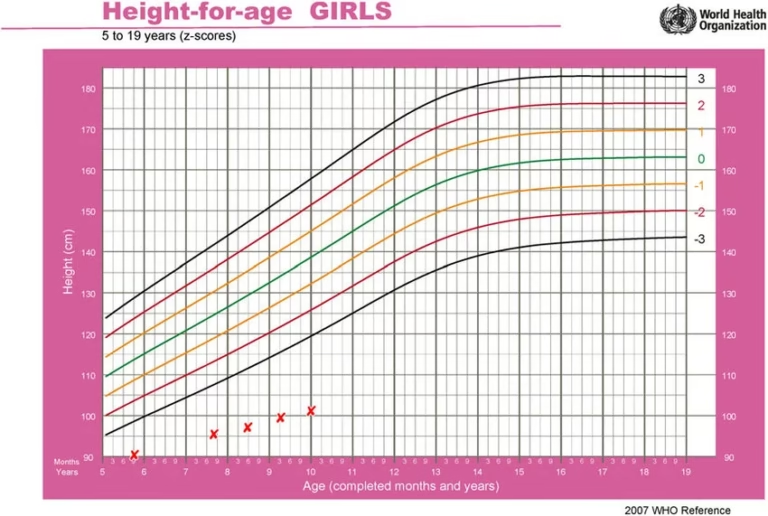
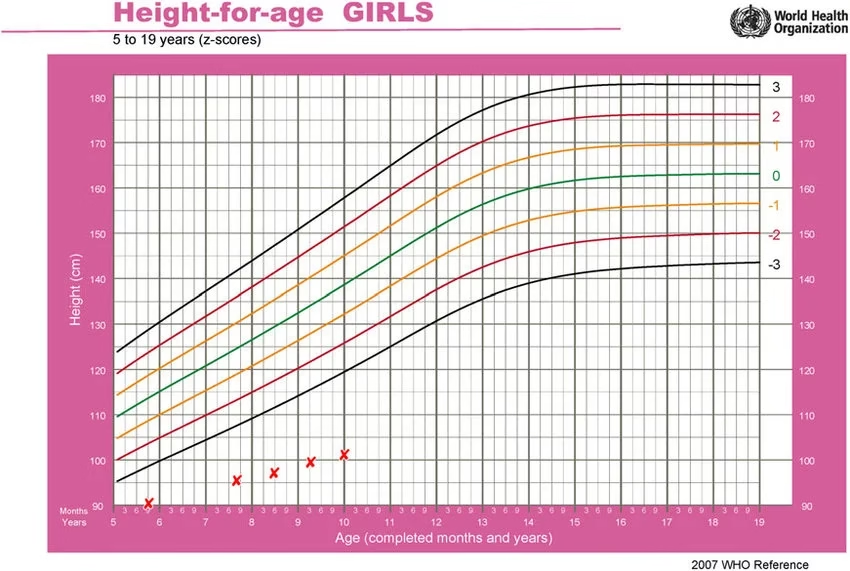
Height significantly below average for your age and sex (more than 2 standard deviations).
-
Delayed puberty: minimal development of secondary sexual characteristics by age 17.
-
Rapid weight loss or gain affecting growth.
Realistic Expectations and Mindset
-
Accept that most height potential is reached by late adolescence.
-
Focus on controllable factors: nutrition, exercise, sleep, posture.
-
Confidence and a strong posture often matter more than a few extra inches.
Conclusion
Can you get a growth spurt at 17? Yes—but it depends on your biology, growth plate status, and lifestyle.
While genetics largely set your height potential, you can still:
-
Support growth through a nutrient-rich diet
-
Stay physically active
-
Prioritize quality sleep
-
Maintain proper posture and manage stress
If you’re curious about your growth prospects, a professional evaluation can reveal whether your growth plates are still open and whether any medical interventions may help.
Remember, healthy habits developed now not only support any remaining growth potential but also promote long-term health and well-being.