Introduction
Have you ever wondered if your high blood pressure could be putting your eyesight at risk? Hypertension and glaucoma are two common health concerns that often fly under the radar until serious damage occurs. While hypertension affects blood vessels throughout the body, glaucoma silently damages the optic nerve, leading to irreversible vision loss if untreated. In this post, we’ll explore the connection between systemic hypertension and glaucoma, dive into the underlying mechanisms, and offer practical tips to protect your eye health for years to come.
What Is Hypertension?
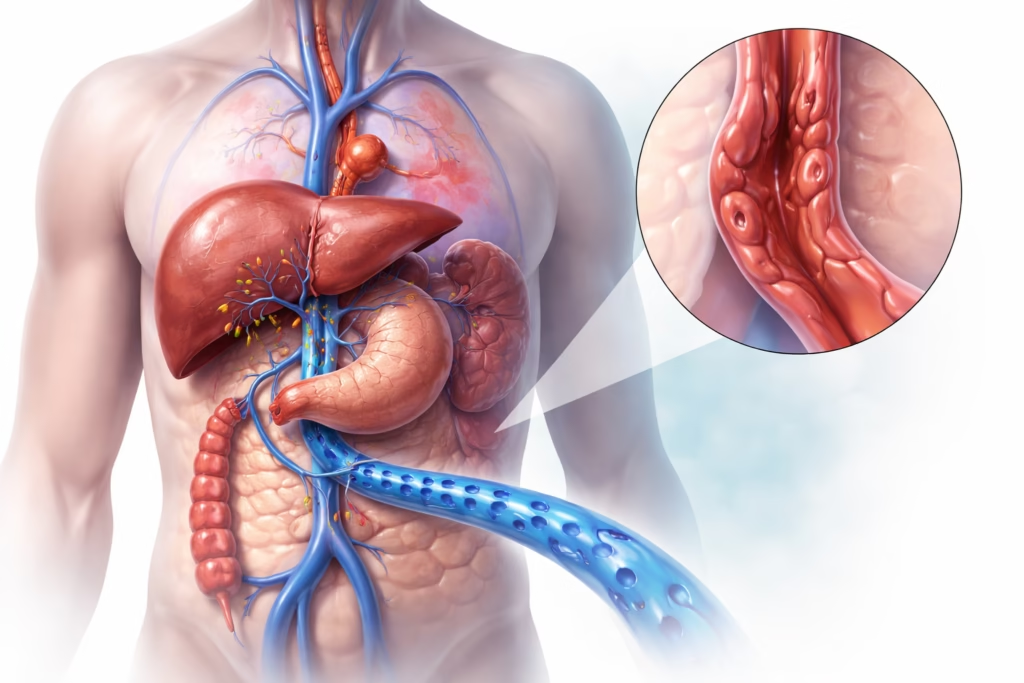
Hypertension, or high blood pressure, occurs when the force of blood against your artery walls is consistently too high. It’s often called the “silent killer” because it typically has no symptoms until significant damage takes place.
Key facts about hypertension:
• Affects more than 1 billion people worldwide
• Defined as a reading of 130/80 mm Hg or higher (per American Heart Association)
• Major risk factors: age, family history, obesity, high-sodium diet, sedentary lifestyle
What Is Glaucoma?
Glaucoma refers to a group of eye diseases that damage the optic nerve, the cable connecting your eye to your brain. Left unchecked, glaucoma progresses slowly and painlessly, stealing your peripheral vision and potentially leading to blindness.
Types of glaucoma:
• Primary open-angle glaucoma (most common)
• Angle-closure glaucoma (acute and chronic forms)
• Normal-tension glaucoma (optic nerve damage despite normal eye pressure)
• Secondary glaucoma (resulting from injury, medication, or another disease)
Common warning signs:
• Gradual peripheral vision loss
• Tunnel vision in advanced stages
• Sudden eye pain, headache, nausea (angle-closure attacks)
The Link Between Hypertension and Glaucoma
Can high blood pressure directly cause glaucoma? The relationship isn’t black and white. Instead, hypertension may influence glaucoma risk through its effects on ocular blood flow and intraocular pressure (IOP).
How hypertension may affect glaucoma risk:
• Altered ocular perfusion pressure (OPP): Blood pressure minus IOP determines OPP. Low OPP has been linked to optic nerve damage.
• Vascular dysregulation: Chronic hypertension can stiffen blood vessels, impairing the microcirculation that nourishes the optic nerve.
• Nocturnal blood pressure dips: Some patients experience significant drops in blood pressure at night, reducing blood flow to the optic nerve.
Pathophysiology: A Closer Look
To understand how hypertension might contribute to glaucoma, let’s break down the two main players:
a. Intraocular Pressure (IOP)
• Refers to the fluid pressure inside the eye.
• Elevated IOP is the most significant modifiable risk factor for glaucoma.
• Hypertension may not directly raise IOP, but certain antihypertensive medications can cause small fluctuations.
b. Ocular Perfusion Pressure (OPP)
• OPP = Diastolic Blood Pressure – IOP.
• Low OPP indicates inadequate blood flow to the optic nerve.
• Studies show patients with lower nighttime OPP have higher rates of glaucoma progression.
Risk Factors and Comorbidities
Glaucoma is a multifactorial disease. While hypertension may be one piece of the puzzle, other risk factors play crucial roles:
Primary Risk Factors for Glaucoma:
• Age over 60
• Family history of glaucoma
• African or Latino ancestry
• Thin corneas
• Diabetes and cardiovascular disease
How hypertension fits in:
• Hypertensive patients often have concurrent diabetes or atherosclerosis—both linked to optic nerve ischemia.
• Use of certain beta-blockers for hypertension can also lower IOP, offering some protective effect.
Monitoring and Prevention Strategies
If you have hypertension, safeguarding your eye health starts with regular checkups and lifestyle adjustments:
Eye Care Best Practices:
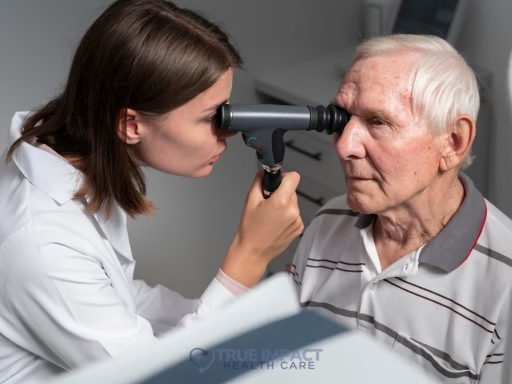
• Comprehensive dilated eye exam at least once every 1–2 years (more often if you have risk factors)
• Regular monitoring of IOP and optic nerve status
• Visual field testing to detect early peripheral vision loss
Lifestyle Modifications:
• Maintain blood pressure within target range (consult your physician)
• Adopt a heart-healthy diet (DASH diet, fruits, vegetables, whole grains, lean proteins)
• Exercise regularly (30 minutes of moderate activity most days)
• Limit caffeine and sodium intake
• Avoid smoking
Management Approaches
If you’re diagnosed with ocular hypertension or glaucoma, a tailored treatment plan can slow progression and preserve vision:
Medications
• Topical prostaglandin analogs (e.g., latanoprost) to increase fluid outflow
• Beta-blockers (e.g., timolol) to reduce fluid production
• Carbonic anhydrase inhibitors and alpha agonists as adjunctive therapy
Laser and Surgical Options
• Laser trabeculoplasty, improves drainage in open-angle glaucoma
• Minimally invasive glaucoma surgeries (MIGS) for mild-to-moderate disease
• Trabeculectomy or tube shunts in advanced cases
Co-managing Hypertension and Glaucoma
Close collaboration between your primary care physician, cardiologist, and ophthalmologist ensures:
• Blood pressure targets are met without compromising eye perfusion
• Antihypertensive regimens minimize nocturnal hypotension
• Ongoing communication about any medication side effects
Conclusion
While hypertension itself may not be the direct cause of glaucoma, the interplay between systemic blood pressure, ocular perfusion, and intraocular pressure creates a compelling link. By understanding this connection, you can take proactive steps, regular eye exams, blood pressure management, and healthy lifestyle choices, to protect your vision. If you have high blood pressure, don’t wait for symptoms. Schedule a comprehensive eye exam today and work closely with your healthcare team to keep both your heart and your eyes in optimal health.