Introduction
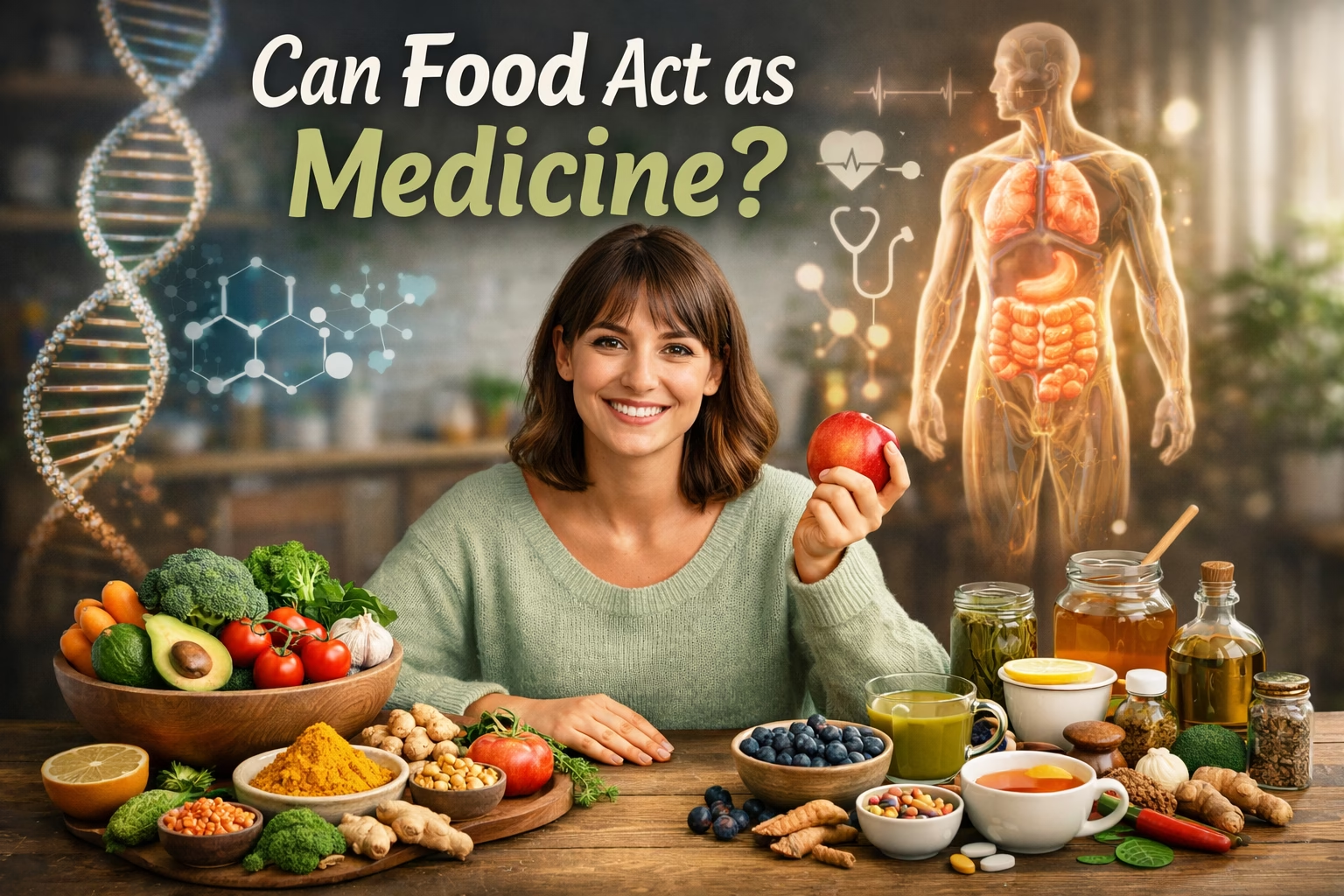
The idea that food can influence health is not new. Ancient medical traditions across cultures have long recognized that dietary choices shape well-being, disease risk, and recovery. In modern healthcare, this concept has gained renewed attention under the phrase “food as medicine.”
But what does that actually mean? Can what you eat truly prevent or manage illness, or is this an oversimplification? In this article, we’ll explore the scientific basis behind the concept, examine how nutrition affects body systems, discuss practical applications, and clarify the limitations. Understanding the role of food in health empowers individuals to make informed, evidence-based decisions about daily nutrition.
Understanding the Concept of Food as Medicine
What Does “Food as Medicine” Mean?
“Food as medicine” refers to using dietary strategies to:
-
Maintain overall health
-
Prevent chronic diseases
-
Support recovery or symptom management
-
Complement medical treatments
This concept does not imply replacing professional medical care with diet alone. Instead, it emphasizes the therapeutic potential of nutrients and dietary patterns as part of an integrated health approach.
Scientific Foundations
Food influences health through multiple physiological pathways:
-
Biochemical effects — Nutrients participate in metabolic processes and cellular repair
-
Immune modulation — Vitamins and phytochemicals regulate inflammatory responses
-
Microbiome interaction — Diet shapes gut bacteria that affect digestion, immunity, and mood
-
Hormonal regulation — Macronutrient balance influences insulin and metabolic hormones
Because these mechanisms are measurable and reproducible, nutrition science increasingly informs clinical practice.
Key Nutrients and Their Therapeutic Roles
Macronutrients
Proteins
-
Essential for tissue repair, immune function, and enzyme production
-
Adequate intake supports wound healing and muscle preservation
-
Sources: fish, poultry, legumes, dairy, tofu
Carbohydrates
-
Primary energy source
-
Complex carbohydrates help regulate blood sugar
-
Fiber promotes digestive health
-
Sources: whole grains, fruits, vegetables
Fats
-
Necessary for hormone production and cell membrane integrity
-
Omega-3 fatty acids reduce inflammation
-
Sources: nuts, seeds, olive oil, fatty fish
Micronutrients
Vitamins
-
Vitamin C supports immune function and antioxidant defense
-
Vitamin D aids bone health and immune regulation
-
B vitamins assist energy metabolism
Minerals
-
Iron supports oxygen transport
-
Calcium strengthens bones
-
Magnesium aids muscle and nerve function
Even mild deficiencies can impair physiological function, demonstrating food’s foundational role in health maintenance.
Phytochemicals and Bioactive Compounds
Plant-based foods contain compounds beyond basic nutrients:
-
Polyphenols
-
Flavonoids
-
Carotenoids
These substances may:
-
Reduce oxidative stress
-
Support cardiovascular health
-
Influence cancer risk factors
Their effects illustrate how whole foods provide complex health benefits beyond isolated supplements.
Conditions Where Diet Plays a Therapeutic Role
Cardiovascular Health
Dietary patterns such as the Mediterranean or DASH diet can:
-
Lower blood pressure
-
Improve cholesterol levels
-
Reduce cardiovascular risk
These outcomes are supported by clinical evidence and frequently incorporated into treatment guidelines.
Diabetes Management
Nutritional strategies help regulate blood glucose through:
-
Controlled carbohydrate intake
-
Increased fiber consumption
-
Weight management
Dietary interventions are often a cornerstone of treatment alongside medication.
Digestive Disorders
Food choices influence gastrointestinal health by:
-
Supporting beneficial gut bacteria
-
Reducing inflammation
-
Managing symptoms like bloating or reflux
Tailored dietary plans are commonly used in clinical nutrition therapy.
Mental Health and Cognitive Function
Emerging research highlights links between diet and brain health:
-
Omega-3 fatty acids support neuronal function
-
Balanced nutrition stabilizes energy and mood
-
Gut microbiome health may influence mental well-being
Though not a replacement for psychological or medical treatment, nutrition contributes to overall support.
Practical Ways to Use Food as Medicine
Prioritize Whole Foods
-
Fruits and vegetables
-
Whole grains
-
Lean proteins
-
Healthy fats
These provide nutrient density and bioactive compounds.
Balance and Moderation
-
Avoid extremes or fad diets
-
Focus on sustainable patterns
-
Maintain appropriate portion sizes
Consistency matters more than occasional dietary perfection.
Personalization
Nutritional needs vary based on:
-
Age
-
Activity level
-
Medical conditions
-
Genetic factors
Consultation with healthcare professionals ensures tailored strategies.
Mindful Eating
-
Pay attention to hunger cues
-
Reduce emotional or stress-driven eating
-
Foster a healthier relationship with food
Behavioral factors influence nutritional outcomes.
Limitations of the Food-as-Medicine Approach
While powerful, nutrition has boundaries:
-
Some diseases require pharmaceutical or surgical treatment
-
Nutritional interventions often act gradually
-
Evidence strength varies across conditions
-
Overreliance on diet alone may delay necessary care
Recognizing these limitations promotes realistic expectations and responsible health decisions.
The Role of Healthcare Integration
Modern health systems increasingly integrate nutrition into patient care through:
-
Registered dietitian consultations
-
Hospital nutrition programs
-
Community food-access initiatives
This interdisciplinary approach bridges preventive and clinical medicine.
Conclusion
Food cannot replace all forms of medical treatment, but its role in supporting health, preventing disease, and enhancing recovery is profound. Through biochemical interactions, immune regulation, and metabolic influence, nutrition shapes virtually every system in the body.
Adopting informed dietary habits, emphasizing balance, variety, and whole foods, allows individuals to leverage food’s therapeutic potential while maintaining realistic expectations about its scope. Ultimately, viewing food as a partner in healthcare rather than a cure-all provides the most effective and sustainable path to well-being.