
Can Allergies Cause a Fever in a Child? Understanding the Connection
Introduction
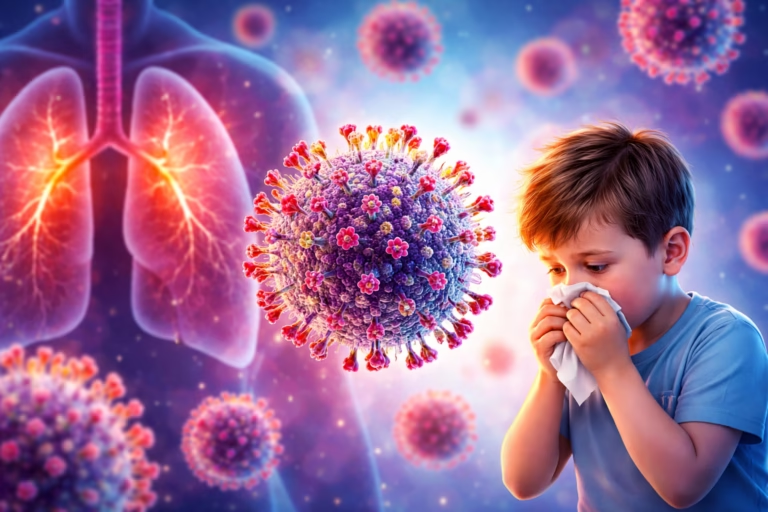
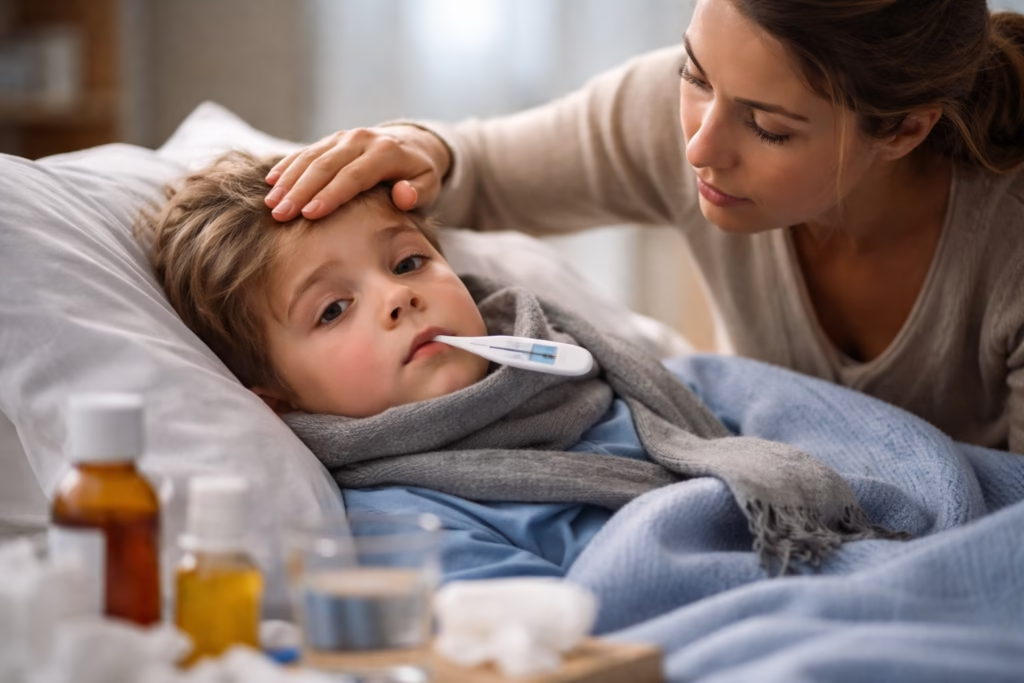
Every parent dreads seeing their child’s temperature rise. You check for coughs, sniffles, rashes and you wonder: “Is this just allergies acting up, or is there a fever lurking too?” Allergies in children are common, but do they ever trigger a genuine fever? In this post, we’ll explore the relationship between allergies and fevers, help you distinguish allergy symptoms from infection, and offer guidance on when to seek medical attention.
What Are Allergies?
Allergies occur when the immune system overreacts to a normally harmless substance (an allergen). Common childhood allergens include:
- Pollen (seasonal allergies)
- Dust mites
- Pet dander
- Certain foods (e.g., peanuts, milk, eggs)
- Insect stings
When a child encounters an allergen, their body releases histamine and other chemicals, leading to inflammation and the classic allergy symptoms.
Typical Allergy Symptoms in Children
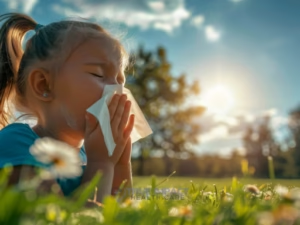
Allergic reactions present in many ways. Knowing these can help you differentiate them from signs of infection:
- Sneezing and nasal congestion
- Runny or itchy nose
- Itchy, watery eyes
- Scratchy throat
- Eczema or hives (in contact or food allergies)
- Occasional coughing or mild wheezing
Notice that most of these symptoms involve itching, watery discharge, or sneezing, rarely high temperatures or chills.
Fever Defined: What’s Normal and What’s Not
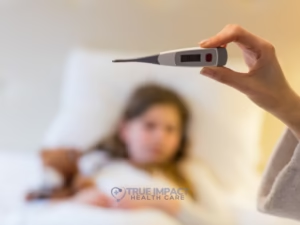
Before we dive into causes, let’s clarify what fever really is:
- Normal body temperature: around 98.6°F (37°C)
- Low-grade fever: 100.4ºF–102.2ºF (38ºC–39ºC)
- High fever: above 102.2ºF (39ºC)
Fever is usually a sign that the body is fighting an infection, such as a virus or bacteria.
Can Allergies Actually Cause Fever?
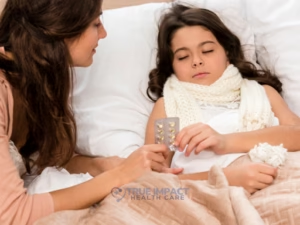
The short answer: very rarely. Allergic reactions do trigger inflammatory chemicals, but they typically do not raise your child’s core temperature enough to qualify as a fever. Here’s why:
- Histamine release leads to itching, swelling, and mucus production, but not systemic temperature spikes.
- Localized warmth or redness (like in contact dermatitis) can feel hot to the touch yet doesn’t reflect a true fever.
- Exception: In very rare cases of severe immune reactions (anaphylaxis), the stress response may cause a slight temperature rise, but true fever is still uncommon.
When Fever Points to Infection, Not Allergy
If your child is running a fever, it’s wise to consider other causes. Common culprits include:
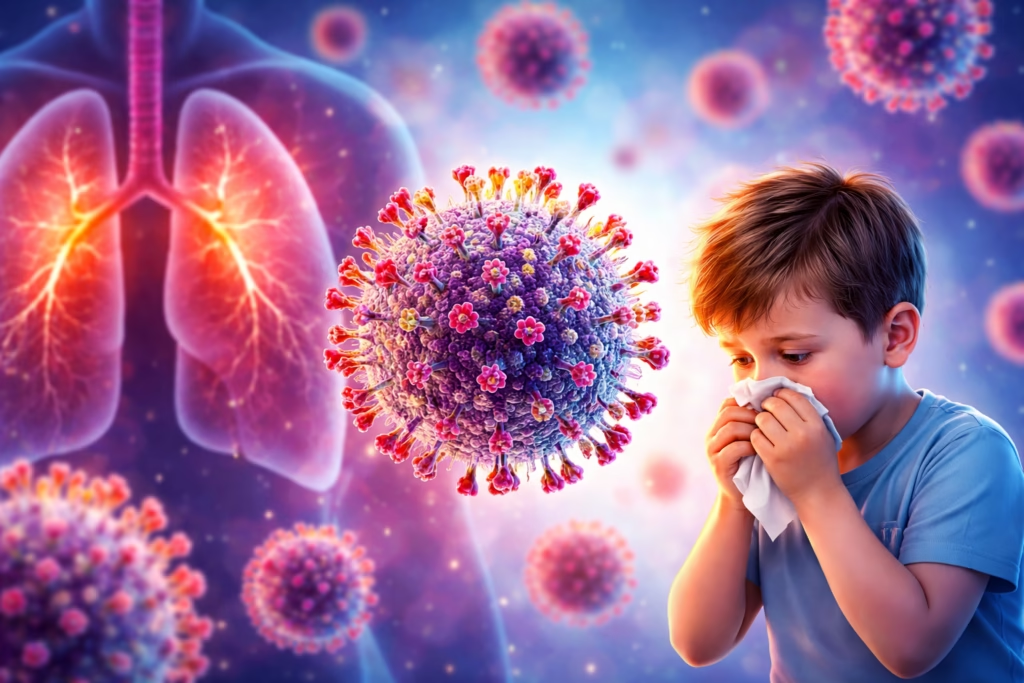
- Viral infections (cold, flu, RSV)
- Bacterial infections (strep throat, ear infections, urinary tract infections)
- Inflammatory conditions (Kawasaki disease, juvenile arthritis)
Clues you’re dealing with infection rather than allergy:
- Persistent high fever (over 102ºF)
- Body aches, fatigue, chills
- Green or yellow nasal discharge
- Sore throat with difficulty swallowing
- Ear pain or tugging at the ears
Managing Allergy Symptoms Safely
While allergies themselves rarely cause fevers, they can still make your child uncomfortable. Strategies include:
- Allergen avoidance (keep windows closed during high pollen days, use mattress covers)
- Saline nasal rinses and steam inhalation
- Age-appropriate antihistamines or nasal corticosteroids (consult your pediatrician)
- Skin barrier creams for eczema or topical antihistamines for hives
Knowing When to Seek Medical Help
It can be tough to tell allergy discomfort from illness, especially in younger children. Contact your pediatrician if your child has:
- A fever over 100.4ºF lasting more than 24 hours
- Difficulty breathing or swallowing
- Severe, persistent cough or wheezing
- Dehydration signs (dry mouth, reduced urine output, lethargy)
- Rash accompanied by high fever
Conclusion
In most cases, allergies themselves do not cause a true fever in children. A raised temperature usually signals that your child’s body is combating an infection or another underlying condition. By understanding the hallmark symptoms of allergies versus fevers, and by closely monitoring your child’s overall behavior and discomfort, you’ll be better equipped to decide when home care is sufficient and when it’s time to call the doctor. Stay observant, keep allergy triggers at bay, and give your little one the relief they need, fever or no fever.