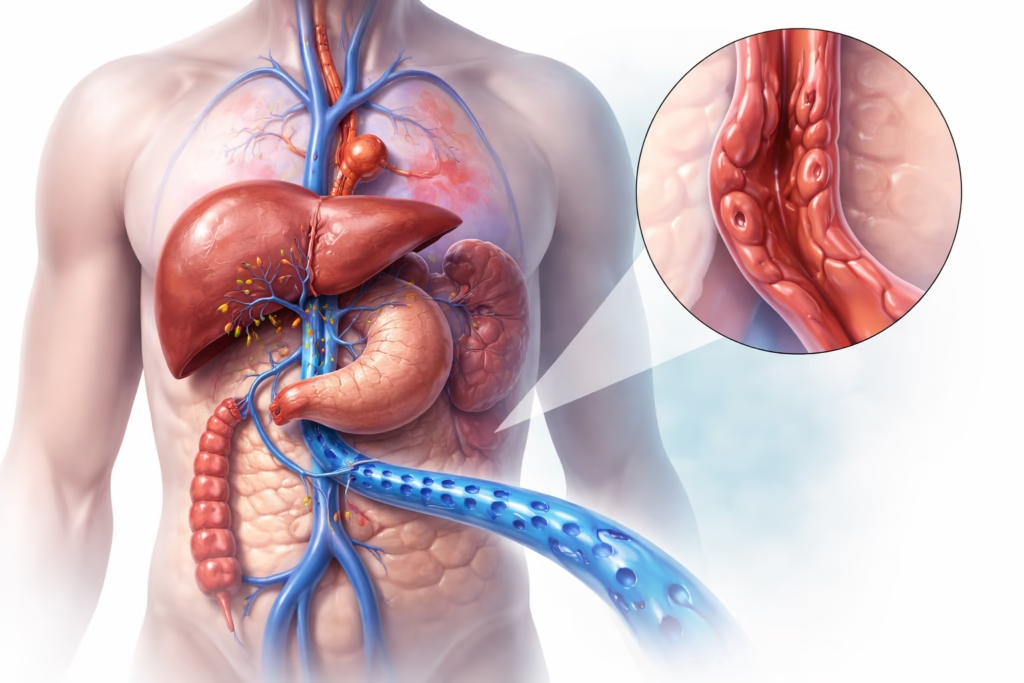
Angioplasty is a common medical procedure used to open narrowed or blocked blood vessels and restore healthy blood flow. It is most often performed to treat coronary artery disease, a condition caused by the buildup of plaque in the arteries that supply the heart.
Understanding how angioplasty works, who may need it, and what recovery looks like can help you feel more informed and prepared if the procedure is recommended.
What Is Angioplasty?
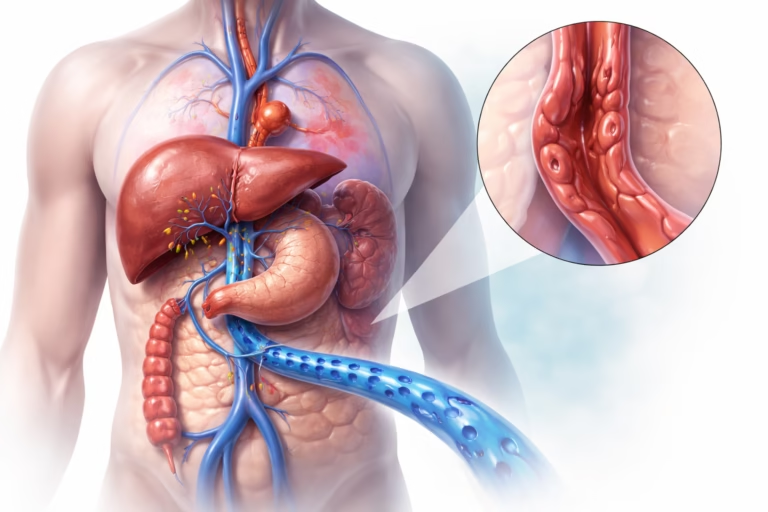
Angioplasty also called percutaneous coronary intervention (PCI) is a minimally invasive procedure used to widen narrowed or blocked arteries.
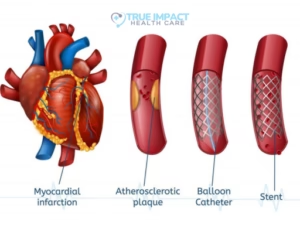
During angioplasty, a small balloon is inserted into the affected artery and inflated to push plaque against the artery walls. In most cases, a small wire mesh tube called a stent is placed to help keep the artery open and improve long-term blood flow.
Why Is Angioplasty Performed?
Angioplasty is typically done to improve blood flow when arteries become narrowed due to atherosclerosis, a buildup of cholesterol, fat, and other substances.
It may be recommended for people who have:
-
Chest pain (angina) that does not improve with medication
-
Reduced blood flow to the heart
-
A heart attack caused by a blocked artery
-
Evidence of significant arterial blockage on imaging tests
Angioplasty can help relieve symptoms, reduce the risk of complications, and improve quality of life.
Who May Need Angioplasty?
A healthcare provider may recommend angioplasty if lifestyle changes and medications are not enough to manage symptoms or restore adequate blood flow.
You may be a candidate if you:
-
Have moderate to severe coronary artery disease
-
Experience persistent chest pain or shortness of breath
-
Have narrowing in one or more arteries confirmed by imaging tests
-
Are experiencing or have recently experienced a heart attack
The decision to perform angioplasty depends on overall health, the location and severity of blockage, and individual risk factors.
How to Prepare for Angioplasty
Before the procedure, your healthcare provider will review your medical history and perform tests such as blood work, electrocardiograms (ECG), or imaging scans.
Preparation may include:
-
Avoiding food and drinks for several hours before the procedure
-
Adjusting or temporarily stopping certain medications
-
Informing your provider about allergies, especially to contrast dye
-
Arranging transportation and post-procedure support
Your healthcare team will give you specific instructions based on your condition.
How the Angioplasty Procedure Works
Angioplasty is usually performed in a hospital cardiac catheterization lab.
Step-by-step overview:
-
A catheter is inserted into a blood vessel, often in the wrist or groin.
-
The catheter is guided to the narrowed artery using imaging technology.
-
A balloon at the catheter’s tip is inflated to widen the artery.
-
A stent may be placed to keep the artery open.
-
The balloon and catheter are removed once blood flow is restored.
The procedure typically takes 30 minutes to a few hours, depending on complexity.
Benefits of Angioplasty
Angioplasty offers several potential benefits, including:
-
Improved blood flow to the heart
-
Reduced chest pain and shortness of breath
-
Lower risk of heart attack
-
Faster recovery compared to open-heart surgery
-
Improved ability to engage in physical activity
For many people, angioplasty significantly improves symptoms and quality of life.
Risks and Possible Complications
While angioplasty is generally safe, like all medical procedures, it carries some risks.
Possible complications include:
-
Bleeding or bruising at the catheter insertion site
-
Blood vessel damage
-
Blood clots forming in the stent
-
Re-narrowing of the artery (restenosis)
-
Allergic reaction to contrast dye
-
Heart attack or stroke (rare)
Your healthcare provider will discuss these risks and determine whether angioplasty is appropriate for you.
Recovery After Angioplasty
Recovery time varies depending on the individual and whether a stent was placed.
What to expect:
-
Most people stay in the hospital for a few hours or overnight
-
Light activity is usually recommended for the first few days
-
Full recovery often occurs within one week
-
Medications may be prescribed to prevent blood clots
Lifestyle changes, including a heart-healthy diet, regular exercise, and quitting smoking, are essential for long-term success.
When to Contact a Healthcare Provider
Seek medical attention if you experience:
-
Chest pain or pressure
-
Shortness of breath
-
Excessive bleeding or swelling at the insertion site
-
Fever or signs of infection
-
Sudden weakness or dizziness
Prompt evaluation helps prevent complications.
Angioplasty vs. Bypass Surgery
Angioplasty is less invasive than coronary artery bypass surgery (CABG) and typically has a shorter recovery time. However, bypass surgery may be recommended for people with severe or multiple blockages.
Your healthcare provider will recommend the most appropriate treatment based on your condition.
Final Thoughts
Angioplasty is a widely used and effective procedure for restoring blood flow and relieving symptoms caused by blocked arteries. When combined with lifestyle changes and proper medical care, it can significantly reduce the risk of future heart problems and improve overall heart health.
Always discuss treatment options, risks, and recovery expectations with a qualified healthcare professional.
Medical Disclaimer
This article is for informational purposes only and does not replace professional medical advice, diagnosis, or treatment. Always consult a healthcare provider with questions about medical conditions or procedures.