














Health A–Z guide
Zika Virus
Zika Virus: What You Need to Know About This Mosquito-Borne Infection
The Zika virus is a mosquito-borne virus that gained global attention during major outbreaks in the Americas between 2015 and 2016. Although often mild in adults, Zika infection can have…
Table of Contents
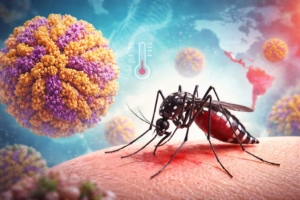
The Zika virus is a mosquito-borne virus that gained global attention during major outbreaks in the Americas between 2015 and 2016. Although often mild in adults, Zika infection can have serious consequences during pregnancy, including birth defects. Understanding how the virus spreads, its symptoms, and preventive measures is essential, especially for individuals traveling to or living in areas where the virus is present.
In this article, we’ll explore what Zika virus is, how it spreads, its clinical presentation, diagnostic methods, treatment options, and key strategies for prevention.
Overview / Definition
Zika virus is a flavivirus, a group of viruses that also includes dengue, yellow fever, and West Nile virus. It is primarily transmitted through the bite of infected Aedes mosquitoes, particularly Aedes aegypti and Aedes albopictus.
First identified in Uganda in 1947, Zika remained relatively obscure until outbreaks occurred in the Pacific Islands and later in the Americas. The virus became a worldwide concern when it was linked to congenital abnormalities and neurological complications.
Causes and Risk Factors
How Zika Spreads
Zika virus can be transmitted through:
- Mosquito bites (most common mode)
- Maternal-fetal transmission during pregnancy
- Sexual transmission
- Blood transfusions (rare)
- Laboratory exposure (rare)
Risk Factors
You may be at increased risk if you:
- Live in or travel to areas with active Zika transmission
- Are pregnant and exposed to the virus
- Have unprotected sexual contact with someone who has traveled to an affected area
- Spend time outdoors in mosquito-prone regions
Because Aedes mosquitoes are active during daylight hours, risk exists throughout the day—not only at night.
Symptoms or Clinical Presentation
In Most Adults
Approximately 80% of people infected with Zika virus have no symptoms. For those who do, symptoms are typically mild and last 2–7 days.
Common symptoms include:
- Mild fever
- Rash (often maculopapular)
- Conjunctivitis (red eyes)
- Joint pain (especially in hands and feet)
- Muscle pain
- Headache
- Fatigue
Symptoms usually appear 3–14 days after exposure.
Complications
Although rare, Zika infection may be associated with:
- Guillain-Barré syndrome (GBS) – A neurological disorder causing muscle weakness and, in severe cases, paralysis.
Most individuals recover fully, but GBS can require hospitalization.
Zika and Pregnancy
The most serious consequences of Zika infection occur during pregnancy. The virus can cross the placenta and infect the fetus, potentially causing:
- Congenital Zika syndrome
- Microcephaly (smaller-than-normal head size)
- Brain abnormalities
- Vision and hearing problems
- Developmental delays
The risk appears highest if infection occurs during the first trimester, but adverse outcomes have been reported with infections at any stage of pregnancy.
Diagnosis or Screening
Diagnosing Zika virus infection can be challenging because symptoms overlap with those of dengue and chikungunya.
Laboratory Testing
Diagnosis may involve:
- RT-PCR testing (detects viral RNA in blood or urine, typically within the first week of illness)
- Serologic testing (IgM antibodies), although cross-reactivity with other flaviviruses can complicate interpretation
Testing During Pregnancy
Pregnant individuals with possible exposure may undergo:
- Zika virus testing even if asymptomatic (depending on public health guidance)
- Serial ultrasounds to monitor fetal development
Public health agencies provide up-to-date recommendations regarding who should be tested.
Treatment or Management Options
There is no specific antiviral treatment for Zika virus infection.
Management focuses on supportive care, including:
- Rest
- Adequate hydration
- Acetaminophen (paracetamol) for fever and pain
Important note:
- Avoid nonsteroidal anti-inflammatory drugs (NSAIDs) such as ibuprofen until dengue has been ruled out, as these may increase bleeding risk.
Management in Pregnancy
Pregnant individuals diagnosed with Zika infection may require:
- Referral to maternal-fetal medicine specialists
- Increased fetal monitoring
- Multidisciplinary care planning
Early detection allows for closer observation but does not eliminate risk.
Prevention and Lifestyle Considerations
Because there is currently no approved vaccine widely available for public use, prevention focuses on avoiding mosquito bites and limiting transmission.
Preventing Mosquito Bites
- Use EPA-approved insect repellents (e.g., DEET, picaridin)
- Wear long sleeves and long pants
- Use window screens or air conditioning
- Eliminate standing water around living spaces
- Sleep under mosquito nets if necessary
Preventing Sexual Transmission
- Use condoms, especially if a partner has traveled to a Zika-affected area
- Follow public health guidance regarding timing of conception after potential exposure
Travel Precautions
- Check current travel advisories from health authorities
- Pregnant individuals should consult healthcare providers before traveling to areas with Zika risk
Conclusion
Zika virus is a mosquito-borne infection that is typically mild in healthy adults but can cause serious complications during pregnancy. Although symptoms are often minimal or absent, the potential impact on fetal development underscores the importance of prevention and awareness—especially for pregnant individuals or those planning pregnancy.
Key takeaways:
- Most infections are mild or asymptomatic.
- The primary concern is congenital complications during pregnancy.
- Diagnosis relies on laboratory testing.
- Treatment is supportive, as no specific antiviral therapy exists.
- Prevention through mosquito control and safe practices remains critical.
Disclaimer:
This article is intended for educational purposes only and does not replace professional medical advice. If you suspect Zika virus exposure or infection—particularly during pregnancy—consult a qualified healthcare provider for evaluation and guidance.
Was this page helpful?
Thanks for your feedback! What could we improve?
Thank you! Your feedback helps us improve our guides.
Our Health A–Z guides are written by the True Impact Health Editorial Team and based on reliable sources such as public health agencies, clinical guidelines and peer-reviewed research. This guide has not yet been medically reviewed. Read our editorial process.
This content is for general information and is not a substitute for professional medical advice, diagnosis or treatment.