















Health A–Z guide
Small Cell Lung Cancer
Small Cell Lung Cancer: An In-Depth Guide to Understanding This Aggressive Disease
Small cell lung cancer (SCLC) is a fast-growing and highly aggressive form of lung cancer that accounts for approximately 10–15% of all lung cancer cases. Although less common than non-small…
Table of Contents
Small cell lung cancer (SCLC) is a fast-growing and highly aggressive form of lung cancer that accounts for approximately 10–15% of all lung cancer cases. Although less common than non-small cell lung cancer (NSCLC), SCLC is characterized by rapid growth, early spread to distant parts of the body, and a strong association with tobacco use.
Understanding small cell lung cancer—its causes, symptoms, diagnosis, and treatment options—is essential for early detection and informed decision-making. This article provides an evidence-based overview in accessible language to help readers better understand this serious condition.
Overview: What Is Small Cell Lung Cancer?
Small cell lung cancer is a type of lung cancer that begins in neuroendocrine cells found in the lungs. Under a microscope, these cancer cells appear small and oval-shaped, which gives the disease its name.
SCLC is known for:
- Rapid growth
- Early spread (metastasis)
- Strong link to smoking
- High initial responsiveness to chemotherapy and radiation
Because of its aggressive nature, SCLC is often diagnosed at an advanced stage.
Staging of Small Cell Lung Cancer
Unlike many other cancers, SCLC is typically classified into two main stages:
- Limited Stage
- Cancer is confined to one side of the chest.
- It may involve nearby lymph nodes.
- Can usually be treated with one radiation field.
- Extensive Stage
- Cancer has spread beyond the original lung to the other lung, distant lymph nodes, brain, liver, bones, or other organs.
This simplified staging system helps guide treatment decisions.
Causes and Risk Factors
1. Tobacco Smoking
The most significant risk factor for small cell lung cancer is cigarette smoking. Nearly all cases occur in current or former smokers. Key links include:
- Smoking duration
- Number of cigarettes per day
- Exposure to secondhand smoke
The harmful chemicals in tobacco damage lung cells over time, leading to genetic mutations.
2. Other Risk Factors
Although smoking is the primary cause, other factors may contribute:
- Exposure to radon gas
- Occupational exposure to asbestos, arsenic, chromium, or nickel
- Air pollution
- Previous radiation therapy to the chest
- Family history of lung cancer
Despite these risk factors, SCLC is far less common in people who have never smoked.
Symptoms and Clinical Presentation
Small cell lung cancer often grows silently at first. Symptoms typically develop once the disease has advanced.
Common Symptoms
- Persistent cough
- Chest pain
- Shortness of breath
- Wheezing
- Fatigue
- Unexplained weight loss
- Coughing up blood (hemoptysis)
Symptoms of Advanced or Metastatic Disease
If the cancer has spread, symptoms may include:
- Bone pain
- Headaches or neurological changes (if spread to the brain)
- Abdominal pain or jaundice (if spread to the liver)
- Swelling of the face or neck (due to superior vena cava syndrome)
Paraneoplastic Syndromes
SCLC is particularly associated with paraneoplastic syndromes, which occur when cancer cells produce hormone-like substances. These can cause:
- SIADH (Syndrome of Inappropriate Antidiuretic Hormone) leading to low sodium levels
- Cushing syndrome due to excess ACTH production
- Neurological syndromes affecting coordination or muscle strength
These syndromes may sometimes appear before the cancer is diagnosed.
Diagnosis and Screening
Initial Evaluation
Diagnosis typically begins with:
- Medical history and physical examination
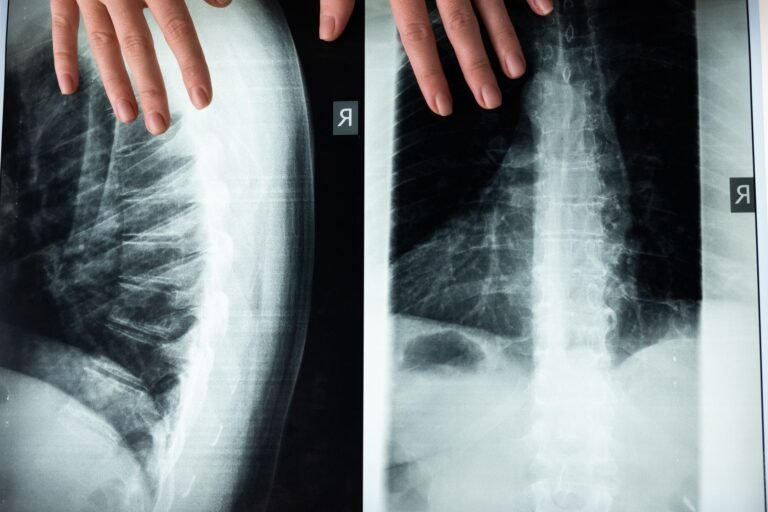
- Chest X-ray (often the first imaging test)
Imaging Studies
If cancer is suspected, more detailed scans are performed:
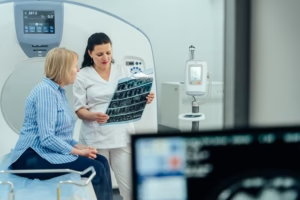
- CT (Computed Tomography) scan of the chest
- PET scan to assess spread
- MRI of the brain (SCLC commonly spreads to the brain)
Biopsy
A definitive diagnosis requires examining tissue under a microscope. This may be obtained through:
- Bronchoscopy
- CT-guided needle biopsy
- Endobronchial ultrasound (EBUS)
- Biopsy of a metastatic site
Lung Cancer Screening
For high-risk individuals (typically long-term smokers aged 50–80 with significant smoking history), annual low-dose CT scans are recommended in many countries. Screening may help detect lung cancer earlier, although SCLC often progresses rapidly between screenings.
Treatment and Management Options
Treatment depends on the stage of the disease, the patient’s overall health, and other medical conditions. Because SCLC grows quickly, treatment usually begins soon after diagnosis.
1. Chemotherapy
Chemotherapy is the cornerstone of treatment. SCLC is generally highly sensitive to chemotherapy drugs, especially:
- Platinum-based drugs (e.g., cisplatin or carboplatin)
- Etoposide
Although tumors often shrink significantly at first, recurrence is common.
2. Radiation Therapy
Radiation may be used:
- Concurrently with chemotherapy in limited-stage disease
- To relieve symptoms in extensive-stage disease
- As prophylactic cranial irradiation (PCI) to reduce the risk of brain metastases
3. Immunotherapy
In recent years, immunotherapy has become part of standard treatment for many patients with extensive-stage SCLC. Immune checkpoint inhibitors such as:
- Atezolizumab
- Durvalumab
may be combined with chemotherapy to improve survival.
4. Surgery
Surgery is rarely used because SCLC is usually widespread at diagnosis. However, in very early cases confined to a small area, surgery followed by chemotherapy may be considered.
5. Palliative Care
Palliative care focuses on:
- Managing pain and other symptoms
- Improving quality of life
- Providing emotional and supportive care
It can be integrated at any stage of the disease.
Prognosis
Small cell lung cancer generally has a poorer prognosis compared to non-small cell lung cancer due to:
- Rapid progression
- Early metastasis
- High recurrence rates
However, survival varies based on stage and response to treatment. Advances in immunotherapy and treatment combinations continue to improve outcomes.
Prevention and Lifestyle Considerations
1. Smoking Cessation
The most effective preventive step is avoiding or quitting smoking. Benefits of quitting include:
- Reduced risk of developing SCLC
- Improved treatment effectiveness
- Lower risk of complications
- Improved overall health
Smoking cessation support may involve:
- Nicotine replacement therapy
- Prescription medications
- Behavioral counseling
2. Reduce Environmental Exposures
- Test homes for radon.
- Follow workplace safety protocols.
- Avoid secondhand smoke.
3. Healthy Lifestyle Measures
Although they do not eliminate risk, general wellness strategies can support overall health:
- Balanced diet rich in fruits and vegetables
- Regular physical activity (as medically appropriate)
- Routine medical checkups
Conclusion
Small cell lung cancer is an aggressive, fast-growing cancer strongly linked to tobacco smoking. It often presents at an advanced stage and requires prompt, intensive treatment—typically combining chemotherapy, radiation, and increasingly, immunotherapy. While prognosis can be serious, early detection and modern treatment approaches are improving outcomes.
The most powerful tool against SCLC remains prevention, particularly through smoking cessation and reducing exposure to carcinogens.
Disclaimer: This article is intended for educational purposes only and does not substitute for professional medical advice. If you have concerns about lung cancer or related symptoms, please consult a qualified healthcare professional for proper evaluation and guidance.
Was this page helpful?
Thanks for your feedback! What could we improve?
Thank you! Your feedback helps us improve our guides.
Our Health A–Z guides are written by the True Impact Health Editorial Team and based on reliable sources such as public health agencies, clinical guidelines and peer-reviewed research. This guide has not yet been medically reviewed. Read our editorial process.
This content is for general information and is not a substitute for professional medical advice, diagnosis or treatment.