Lyme Disease: Symptoms, Diagnosis, Treatment, and Prevention
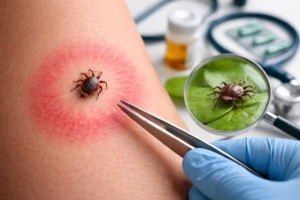
Lyme disease is the most common vector-borne illness in many parts of North America and Europe. Transmitted through the bite of infected ticks, this bacterial infection can affect the skin, joints, nervous system, and heart if not treated promptly. Early recognition and appropriate medical care are key to preventing long-term complications.
In this article, we’ll explore what Lyme disease is, how it spreads, its symptoms, how it’s diagnosed and treated, and practical steps for prevention.
Overview: What Is Lyme Disease?
Lyme disease is an infectious illness caused primarily by the bacterium Borrelia burgdorferi in North America and Borrelia afzelii or Borrelia garinii in Europe and Asia. These bacteria are transmitted to humans through the bite of infected black-legged ticks (also known as deer ticks).
The disease typically progresses in stages:
- Early localized stage – Often characterized by a skin rash.
- Early disseminated stage – The bacteria may spread to joints, the heart, or the nervous system.
- Late disseminated stage – Can involve persistent joint inflammation or neurological symptoms.
When detected early, Lyme disease is usually treatable with antibiotics and has an excellent prognosis.
Related Posts:



Causes and Risk Factors
What Causes Lyme Disease?
Lyme disease is caused by Borrelia bacteria transmitted through the bite of infected Ixodes ticks, including:
- Ixodes scapularis (black-legged or deer tick) in the eastern U.S.
- Ixodes pacificus in the western U.S.
- Related species in Europe and Asia
Ticks typically become infected after feeding on small mammals or birds carrying the bacteria.
Risk Factors
You may be at increased risk if you:
- Spend time in wooded, grassy, or brushy areas
- Live in or travel to areas where Lyme disease is common
- Engage in outdoor activities such as hiking, camping, or gardening
- Do not use protective clothing or insect repellent
- Have pets that may bring ticks into the home
Ticks are most active in late spring and summer, though infections can occur year-round in some regions.
Symptoms and Clinical Presentation
Symptoms vary depending on the stage of infection and may appear days to weeks after a tick bite.
Early Symptoms (3–30 Days After Tick Bite)
The most recognizable sign is:
- Erythema migrans (EM) rash:
- Expanding, circular rash
- Often resembles a “bull’s-eye”
- Usually not itchy or painful
- Occurs at the site of the bite
Other early symptoms may include:
- Fever
- Chills
- Fatigue
- Headache
- Muscle and joint aches
- Swollen lymph nodes
Early Disseminated Symptoms (Weeks to Months)
If untreated, the infection may spread, leading to:
- Multiple rash lesions
- Migrating joint pain
- Facial palsy (weakness or drooping on one side of the face)
- Heart palpitations or dizziness (Lyme carditis)
- Shortness of breath
Late Symptoms (Months to Years)
In untreated cases:
- Lyme arthritis – often affecting large joints such as the knee
- Numbness or tingling
- Cognitive difficulties (“brain fog”)
- Memory problems
Persistent symptoms after treatment are sometimes referred to as Post-Treatment Lyme Disease Syndrome (PTLDS). The exact cause is still being researched.
Diagnosis and Screening
Clinical Diagnosis
In early Lyme disease, especially when a classic erythema migrans rash is present, diagnosis is often made clinically without laboratory testing.
Laboratory Testing
When needed, diagnosis may involve:
- Two-tiered antibody testing:
- Enzyme immunoassay (EIA) or immunofluorescence assay (IFA)
- Followed by a Western blot test if the first test is positive or equivocal
It’s important to note:
- Antibodies may not be detectable in the first few weeks.
- Blood tests are not recommended for people without symptoms.
- Test results should be interpreted by a healthcare professional.
Treatment and Management Options
Lyme disease is treated with antibiotics. The specific type and duration depend on the stage of illness and affected organs.
Common Antibiotics
- Doxycycline
- Amoxicillin
- Cefuroxime axetil
- Intravenous ceftriaxone (for certain severe cases)
Most early cases are treated for 10–21 days, depending on clinical presentation.
Prognosis
- Early treatment is highly effective.
- Most people recover fully.
- Persistent fatigue or aches may occur in some individuals but usually improve over time.
Long-term or repeated antibiotic therapy beyond recommended guidelines has not been shown to improve outcomes and may carry risks.
Prevention and Lifestyle Considerations
Preventing tick bites is the most effective way to reduce the risk of Lyme disease.
Personal Protective Measures
- Wear long sleeves and pants in wooded or grassy areas
- Tuck pants into socks when hiking
- Use EPA-registered insect repellents containing DEET, picaridin, or IR3535
- Treat clothing and gear with permethrin
- Perform thorough tick checks after outdoor activities
- Shower within two hours of coming indoors
Tick Removal
If you find a tick:
- Use fine-tipped tweezers.
- Grasp the tick close to the skin.
- Pull upward with steady, even pressure.
- Clean the bite area with soap and water.
Prompt removal (within 24–36 hours) significantly reduces the risk of transmission.
Conclusion
Lyme disease is a common and potentially serious tick-borne infection, but early diagnosis and appropriate antibiotic treatment lead to excellent outcomes in most cases. Recognizing symptoms—particularly the characteristic rash—and taking steps to prevent tick bites are critical to reducing risk.
If you experience symptoms after a known or possible tick exposure, consult a qualified healthcare professional for evaluation and guidance.
Disclaimer: This article is intended for educational purposes only and does not replace professional medical advice. If you suspect Lyme disease or have health concerns, please seek evaluation from a licensed healthcare provider.