












Health A–Z guide
Hearing Loss
Hearing Loss: Understanding Causes, Symptoms, and Treatment Options
Hearing loss is a common yet often misunderstood health condition that affects millions of people worldwide. It can develop gradually or occur suddenly, affecting communication, emotional well-being, and overall quality…
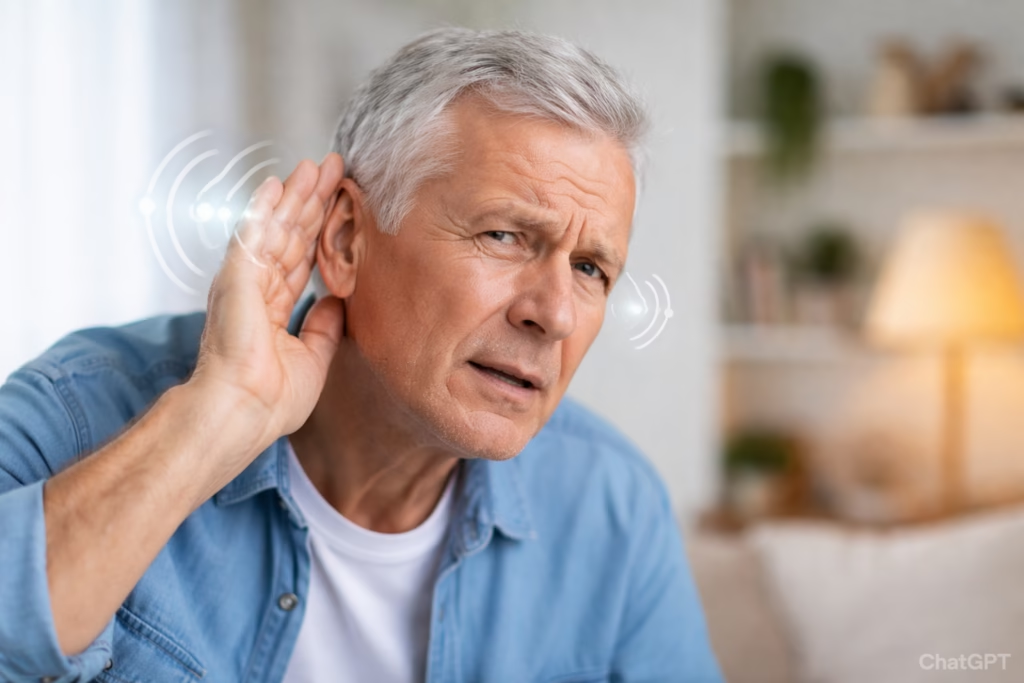
Table of Contents

Hearing loss is a common yet often misunderstood health condition that affects millions of people worldwide. It can develop gradually or occur suddenly, affecting communication, emotional well-being, and overall quality of life. While hearing changes are often associated with aging, hearing loss can occur at any stage of life — from infancy to older adulthood.
This article provides a clear, medically accurate overview of hearing loss, including its causes, symptoms, diagnosis, treatment options, and prevention strategies.
Overview: What Is Hearing Loss?
Hearing loss refers to a partial or complete inability to hear sounds in one or both ears. It occurs when any part of the auditory system — including the outer ear, middle ear, inner ear, auditory nerve, or brain — is not functioning properly.
There are three main types of hearing loss:
1. Conductive Hearing Loss
Occurs when sound cannot travel efficiently through the outer or middle ear. It is often temporary and sometimes medically or surgically treatable.
2. Sensorineural Hearing Loss
Results from damage to the inner ear (cochlea) or auditory nerve. This is the most common type and is usually permanent.
3. Mixed Hearing Loss
A combination of conductive and sensorineural hearing loss.
Hearing loss may be mild, moderate, severe, or profound, depending on how much sound is reduced.
Causes and Risk Factors
Hearing loss can result from a wide range of factors, including medical conditions, environmental exposure, and genetic influences.
Common Causes
1. Age-Related Hearing Loss (Presbycusis)
- Gradual decline in hearing as part of the natural aging process
- Typically affects both ears equally
- Often impacts higher-pitched sounds first
2. Noise Exposure
- Prolonged exposure to loud sounds (e.g., machinery, concerts, headphones at high volume)
- Sudden loud blasts (e.g., explosions, gunshots)
3. Ear Infections
- Fluid buildup in the middle ear
- Chronic infections may cause long-term damage
4. Earwax Blockage
- Can temporarily prevent sound from reaching the eardrum
5. Ototoxic Medications
Certain drugs can damage the inner ear, including:
- Some antibiotics
- Certain chemotherapy agents
- High doses of aspirin
6. Genetic Factors
- Congenital (present at birth) hearing loss
- Inherited conditions affecting the structure or function of the ear
7. Medical Conditions
- Diabetes
- Cardiovascular disease
- Autoimmune disorders
- Head trauma
Symptoms and Clinical Presentation
Symptoms vary depending on the severity and type of hearing loss.
Common Signs in Adults
- Difficulty understanding speech, especially in noisy environments
- Frequently asking others to repeat themselves
- Turning up the volume on televisions or devices
- Ringing in the ears (tinnitus)
- Feeling that others are mumbling
Signs in Children
- Delayed speech and language development
- Not responding to sounds or their name
- Turning up volume excessively
- Poor academic performance
Sudden hearing loss — especially in one ear — is considered a medical urgency and requires prompt evaluation.
Diagnosis and Screening
Early detection is crucial for effective management.
Hearing Evaluation May Include:
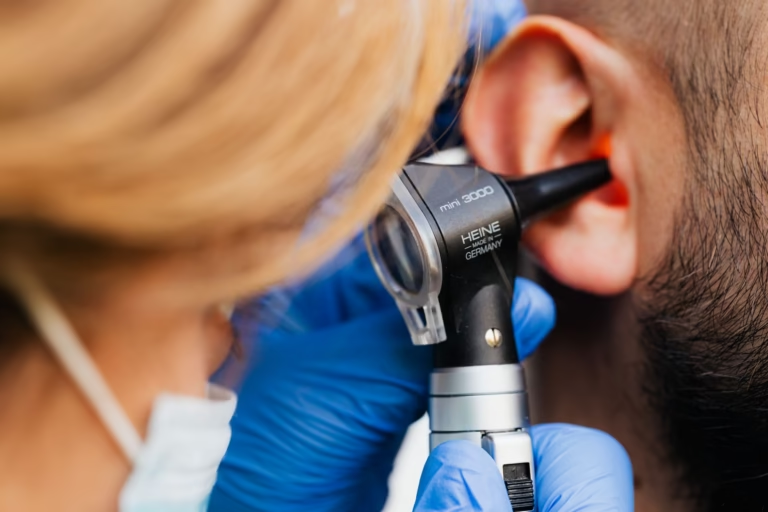
1. Physical Ear Examination
To check for blockages, infection, or structural problems.
2. Audiometry (Hearing Tests)
Performed by an audiologist in a soundproof booth. Measures:
- The quietest sounds a person can hear (pure-tone testing)
- Ability to understand speech
3. Tympanometry
Assesses middle ear function.
4. Otoacoustic Emissions (OAE) Testing
Common in newborn screening programs.
Routine hearing screening is recommended:
- For newborns
- During childhood
- For adults over 50
- For individuals exposed to prolonged noise
Treatment and Management Options
Treatment depends on the type and cause of hearing loss.
1. Medical Treatment
- Antibiotics for ear infections
- Removal of earwax blockage
- Corticosteroids for certain sudden hearing loss cases
2. Hearing Aids
- Small electronic devices worn in or behind the ear
- Amplify sound to improve hearing
- Programmable for individual hearing profiles
3. Cochlear Implants
- Surgically implanted devices for severe to profound sensorineural hearing loss
- Bypass damaged parts of the ear and stimulate the auditory nerve directly
4. Assistive Listening Devices
- Telephone amplifiers
- FM systems
- Captioned phones
5. Communication Strategies
- Lip reading (speechreading)
- Sign language
- Clear speech techniques
- Reducing background noise
Early intervention significantly improves communication outcomes, especially in children.
Prevention and Lifestyle Considerations
While not all cases of hearing loss are preventable, many can be reduced with protective measures.
Protect Your Hearing
- Use ear protection in loud environments (earplugs or earmuffs)
- Keep headphone volume below 60% and limit listening time
- Follow the “60/60 rule”: No more than 60% volume for 60 minutes at a time
- Take listening breaks
Support Overall Ear Health
- Manage chronic conditions such as diabetes and hypertension
- Avoid inserting objects into the ear canal
- Seek prompt treatment for ear infections
- Review medications with healthcare professionals
Noise-induced hearing loss is largely preventable with proper precautions.
Emotional and Social Impact
Hearing loss can affect more than just sound perception. It may contribute to:
- Social isolation
- Depression or anxiety
- Cognitive decline in older adults
- Miscommunication in relationships
Addressing hearing loss early helps maintain quality of life and social engagement.
Conclusion
Hearing loss is a common and often manageable condition that can significantly impact daily life. It may result from aging, noise exposure, infections, genetics, or underlying medical conditions. Symptoms can develop gradually or suddenly, making awareness and early screening essential.
Modern diagnostic tools and treatment options — including hearing aids, cochlear implants, and assistive technologies — provide effective solutions for many individuals. Preventive measures, especially protection from loud noise, play a crucial role in reducing risk.
If you or someone you know is experiencing hearing difficulties, a professional hearing evaluation is an important first step.
Disclaimer: This article is intended for educational purposes only and does not replace professional medical advice. If you are experiencing hearing-related concerns, consult a qualified healthcare professional or audiologist for proper evaluation and guidance.
Was this page helpful?
Thanks for your feedback! What could we improve?
Thank you! Your feedback helps us improve our guides.
Our Health A–Z guides are written by the True Impact Health Editorial Team and based on reliable sources such as public health agencies, clinical guidelines and peer-reviewed research. This guide has not yet been medically reviewed. Read our editorial process.
This content is for general information and is not a substitute for professional medical advice, diagnosis or treatment.