














Health A–Z guide
Dry Eye Syndrome
Dry Eye Syndrome: Understanding Causes, Symptoms, and Management
Dry Eye Syndrome is a common yet often overlooked eye condition that can significantly affect daily comfort and visual quality. While many people occasionally experience dry or irritated eyes, Dry…
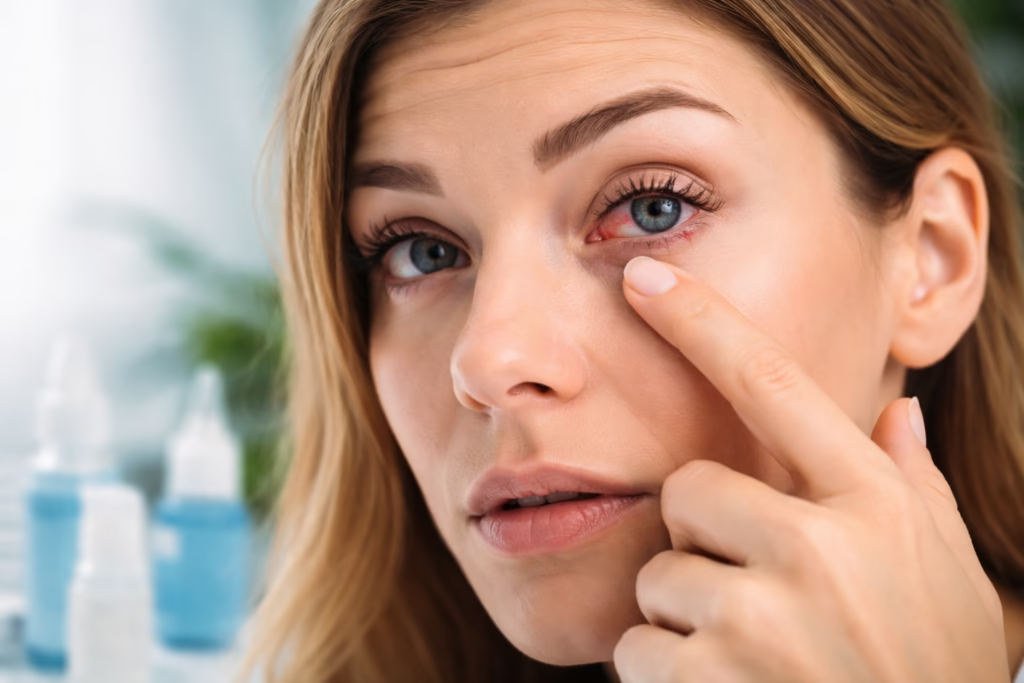
Table of Contents
Dry Eye Syndrome is a common yet often overlooked eye condition that can significantly affect daily comfort and visual quality. While many people occasionally experience dry or irritated eyes, Dry Eye Syndrome refers to a chronic problem in which the eyes do not produce enough tears, or the tears evaporate too quickly, to keep the eye surface healthy and comfortable. Understanding this condition can help individuals recognize symptoms early and seek appropriate care.
Overview / Definition
Dry Eye Syndrome, also known as Dry Eye Disease (DED) or keratoconjunctivitis sicca, occurs when the tear film that protects and nourishes the eye becomes unstable or insufficient. Tears play a crucial role in maintaining clear vision, protecting against infection, and keeping the eye surface smooth and comfortable.
The tear film is made up of three layers:
- Oily (lipid) layer – prevents tears from evaporating too quickly
- Watery (aqueous) layer – provides hydration and nutrients
- Mucus layer – helps tears spread evenly across the eye
Disruption in any of these layers can contribute to Dry Eye Syndrome.
Causes or Risk Factors
Dry Eye Syndrome is often multifactorial, meaning it can arise from several contributing factors. Common causes and risk factors include:
- Aging, particularly over age 50
- Hormonal changes, especially during menopause
- Prolonged screen time, which reduces blinking frequency
- Environmental factors, such as dry air, wind, smoke, or air conditioning
- Contact lens use
- Certain medications, including:
- Antihistamines
- Antidepressants
- Blood pressure medications
- Autoimmune conditions, such as Sjögren’s syndrome or rheumatoid arthritis
- Eyelid or blinking abnormalities, affecting tear distribution
Symptoms or Clinical Presentation
Symptoms can range from mild irritation to significant discomfort and visual disturbance. Common symptoms include:
- Dryness or a gritty, sandy sensation in the eyes
- Burning, stinging, or itching
- Redness
- Blurred or fluctuating vision, especially after prolonged visual tasks
- Sensitivity to light
- A feeling of having something in the eye
- Paradoxically, excessive tearing, caused by reflex tearing in response to dryness
Symptoms often worsen in dry environments or during extended screen use.
Diagnosis or Screening
Diagnosis of Dry Eye Syndrome typically involves a comprehensive eye examination. Eye care professionals may use a combination of methods, including:
- Patient history and symptom questionnaires
- Visual examination of the eye surface
- Tear production tests (such as the Schirmer test)
- Tear breakup time, which assesses tear film stability
- Staining tests to detect surface damage to the cornea or conjunctiva
These assessments help determine the severity and type of dry eye, guiding appropriate management.
Treatment or Management Options
Management of Dry Eye Syndrome often focuses on relieving symptoms and improving tear film quality. Treatment plans may vary depending on the underlying cause and severity, and can include:
Common Management Approaches
- Artificial tears or lubricating eye drops
- Prescription eye drops that reduce inflammation or increase tear production
- Eyelid hygiene, particularly for oil gland dysfunction
- Warm compresses to improve oil secretion from eyelid glands
- Temporary or permanent tear duct plugs to reduce tear drainage
Advanced or Supportive Options
- Specialized contact lenses designed for dry eyes
- In-office procedures targeting meibomian gland dysfunction
Most individuals experience improvement with consistent and guided treatment.
Prevention or Lifestyle Considerations
While not all cases are preventable, certain habits may help reduce symptom severity:
- Take regular breaks during screen use (e.g., the 20-20-20 rule)
- Blink consciously during prolonged visual tasks
- Maintain adequate hydration
- Use humidifiers in dry indoor environments
- Wear protective eyewear in windy or dusty conditions
- Avoid direct exposure to smoke or air vents
Adopting these strategies can help support overall eye health.
Conclusion
Dry Eye Syndrome is a common, chronic condition that results from inadequate or unstable tear production. Although it can affect comfort and vision, early recognition, appropriate diagnosis, and evidence-based management can significantly improve quality of life. With proper care and lifestyle adjustments, many people successfully manage their symptoms and protect their long-term eye health.
Medical Disclaimer
This article is intended for educational purposes only and does not replace professional medical advice. If you experience persistent eye discomfort or vision changes, consult a qualified eye care professional or healthcare provider for evaluation and guidance.
Was this page helpful?
Thanks for your feedback! What could we improve?
Thank you! Your feedback helps us improve our guides.
Our Health A–Z guides are written by the True Impact Health Editorial Team and based on reliable sources such as public health agencies, clinical guidelines and peer-reviewed research. This guide has not yet been medically reviewed. Read our editorial process.
This content is for general information and is not a substitute for professional medical advice, diagnosis or treatment.