











Health A–Z guide
Coronavirus (COVID‑19)
Coronavirus disease 2019 (COVID‑19) is an infectious illness that has affected millions of people worldwide since it was first identified in late 2019....
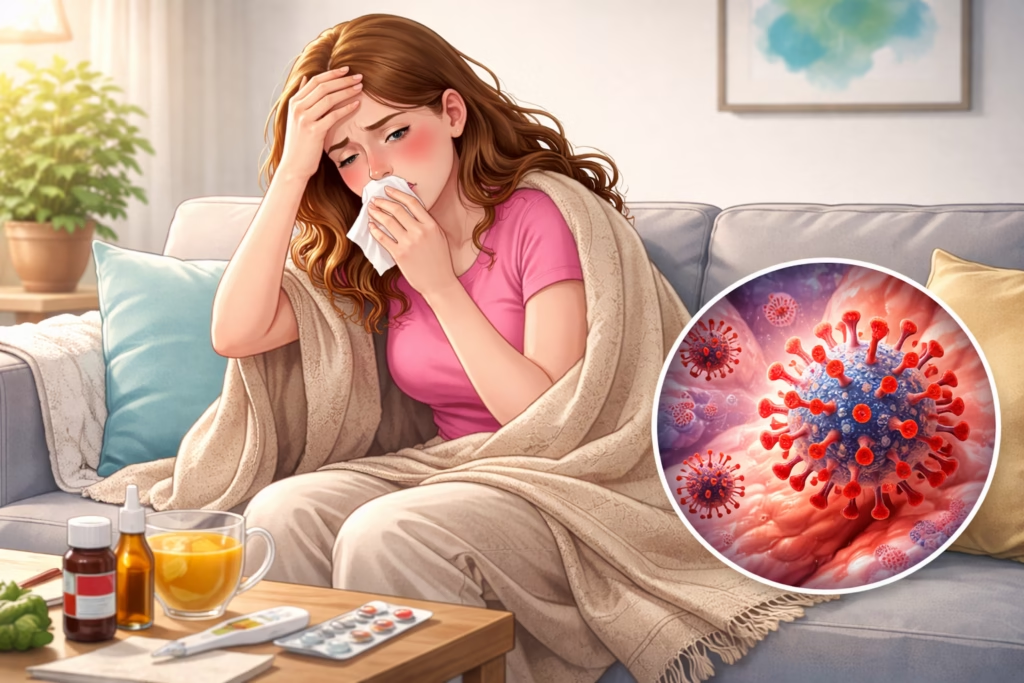
Table of Contents
Introduction
Coronavirus disease 2019 (COVID‑19) is an infectious illness that has affected millions of people worldwide since it was first identified in late 2019. Caused by a novel coronavirus, COVID‑19 ranges from mild, cold‑like symptoms to severe illness affecting the lungs and other organs. While the global emergency phase has eased due to vaccination, improved treatments, and population immunity, COVID‑19 remains an important public health topic due to ongoing transmission, variants, and long‑term health effects in some individuals.
This article provides a clear, evidence‑based overview of COVID‑19, including its causes, symptoms, diagnosis, treatment, and prevention strategies, using accessible and medically accurate language.
Overview / Definition
COVID‑19 is an infectious respiratory disease caused by the severe acute respiratory syndrome coronavirus 2 (SARS‑CoV‑2). Coronaviruses are a large family of viruses; some cause minor illnesses such as the common cold, while others can lead to more serious diseases.
SARS‑CoV‑2 primarily affects the respiratory system but can also impact the heart, blood vessels, nervous system, kidneys, and other organs in certain individuals.
Causes and Risk Factors
Cause
COVID‑19 is caused by infection with the SARS‑CoV‑2 virus. The virus spreads mainly through:
- Respiratory droplets and aerosols released when an infected person coughs, sneezes, talks, or breathes
- Close or prolonged contact, especially in enclosed or poorly ventilated spaces
- Touching contaminated surfaces (less common) and then touching the mouth, nose, or eyes
Risk Factors for More Severe Disease
While anyone can contract COVID‑19, some factors increase the risk of severe illness, hospitalization, or complications:
- Older age (especially adults over 60)
- Chronic medical conditions such as:
- Heart disease
- Diabetes
- Chronic lung disease
- Obesity
- Kidney disease
- Weakened immune systems (e.g., due to medical conditions or treatments)
- Pregnancy
- Lack of vaccination or incomplete vaccination
Symptoms or Clinical Presentation
COVID‑19 symptoms can vary widely, from none at all to severe illness. Symptoms typically appear 2 to 14 days after exposure.
Common Symptoms
- Fever or chills
- Cough
- Fatigue
- Shortness of breath
- Sore throat
- Headache
- Muscle or body aches
- Nasal congestion or runny nose
Less Common or Notable Symptoms
- Loss or change in taste and smell
- Nausea, vomiting, or diarrhea
- Chest pain or pressure
- Confusion or difficulty concentrating
Severe Illness
Severe cases may involve:
- Pneumonia
- Low oxygen levels
- Respiratory failure
- Blood clots
- Multi‑organ complications
Some individuals experience post‑COVID conditions (often called “long COVID”), where symptoms such as fatigue, brain fog, or shortness of breath persist for weeks or months after the initial infection.
Diagnosis or Screening
COVID‑19 is diagnosed using laboratory tests that detect the virus or the body’s immune response.
Common Diagnostic Tests
- PCR tests (polymerase chain reaction):
- Highly sensitive and specific
- Detect viral genetic material
- Rapid antigen tests:
- Provide faster results
- Less sensitive than PCR, especially in early or asymptomatic cases
Testing may be recommended after known exposure, the onset of symptoms, or in certain healthcare or travel settings. Healthcare professionals determine the most appropriate testing approach based on clinical and public health guidelines.
Treatment or Management Options
Treatment for COVID‑19 depends on the severity of illness and the individual’s risk factors.
Mild to Moderate Illness
- Symptom‑based care (e.g., rest, hydration)
- Monitoring for worsening symptoms
- Antiviral medications in eligible individuals to reduce the risk of severe disease
Severe Illness
Hospital‑based care may include:
- Supplemental oxygen or ventilatory support
- Antiviral medications
- Anti‑inflammatory or immune‑modulating treatments
- Management of complications such as blood clots or secondary infections
Treatment protocols continue to evolve as new scientific evidence emerges.
Prevention and Lifestyle Considerations
Preventive measures remain essential to reduce transmission and serious outcomes.
Key Prevention Strategies
- Vaccination and booster doses as recommended by health authorities
- Wearing masks in high‑risk or crowded settings when appropriate
- Improving indoor ventilation
- Hand hygiene (washing hands regularly)
- Staying home when feeling unwell
- Following public health guidance during periods of increased transmission
Healthy lifestyle factors—such as balanced nutrition, regular physical activity, adequate sleep, and stress management—support overall immune health, though they do not replace medical prevention strategies.
Conclusion
COVID‑19 is a complex infectious disease that continues to impact public health globally. Understanding how it spreads, who is most at risk, how it is diagnosed, and how it can be prevented empowers individuals and communities to make informed decisions. Advances in vaccines, treatments, and research have significantly reduced severe outcomes, but ongoing awareness and responsible prevention remain important.
Medical Disclaimer
This article is intended for educational and informational purposes only and does not replace professional medical advice, diagnosis, or treatment. Readers are encouraged to consult qualified healthcare professionals for concerns related to COVID‑19 or other health conditions.
Was this page helpful?
Thanks for your feedback! What could we improve?
Thank you! Your feedback helps us improve our guides.
Our Health A–Z guides are written by the True Impact Health Editorial Team and based on reliable sources such as public health agencies, clinical guidelines and peer-reviewed research. This guide has not yet been medically reviewed. Read our editorial process.
This content is for general information and is not a substitute for professional medical advice, diagnosis or treatment.