















Health A–Z guide
Condoms
Condoms: An Essential Tool for Sexual Health
Condoms are one of the most widely used and researched tools for promoting sexual and reproductive health. When used correctly and consistently, they...
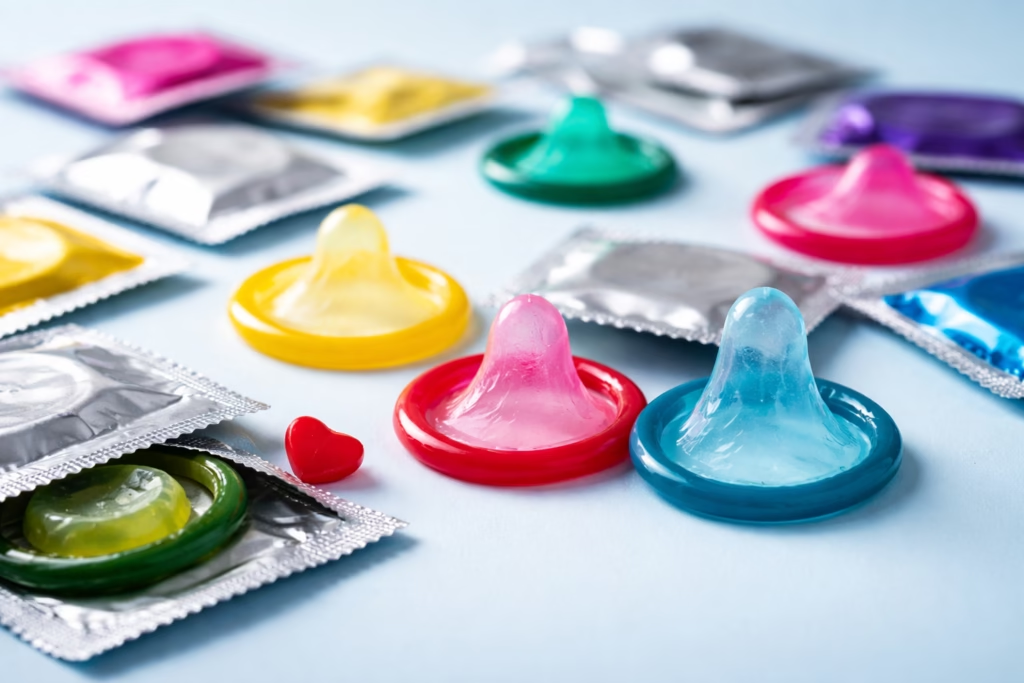
Table of Contents

Condoms are one of the most widely used and researched tools for promoting sexual and reproductive health. When used correctly and consistently, they provide effective protection against unintended pregnancy and many sexually transmitted infections (STIs). This article offers a clear, medically accurate overview of condoms, how they work, and their role in sexual health and disease prevention.
Overview / Definition
Condoms are barrier contraceptive devices designed to reduce the exchange of bodily fluids during sexual activity. By creating a physical barrier, they help prevent sperm from reaching an egg and reduce the transmission of infectious organisms.
There are two main types:
- External (male) condoms: Worn over the penis
- Internal (female) condoms: Placed inside the vagina (or anus)
Most condoms are made from latex, though alternatives such as polyurethane, polyisoprene, or nitrile are available for individuals with latex sensitivity.
Causes or Risk Factors Addressed by Condom Use
Condoms are not used to treat diseases but to reduce specific health risks, including:
- Unintended pregnancy
- Sexually transmitted infections (STIs) such as:
- HIV
- Chlamydia
- Gonorrhea
- Syphilis
- Trichomoniasis
- Partial protection against STIs spread through skin-to-skin contact, such as:
- Human papillomavirus (HPV)
- Herpes simplex virus (HSV)
Risk factors that make condom use particularly important include:
- Having multiple sexual partners
- New or non-monogamous sexual relationships
- Unknown STI status of partners
- Inconsistent access to other forms of contraception
Symptoms or Clinical Context
Condoms themselves do not cause or treat symptoms. Their relevance arises in the prevention of conditions that may present with symptoms, such as:
- Genital discharge
- Pelvic or testicular pain
- Genital sores or rashes
- Burning during urination
- Unplanned pregnancy
Many STIs can be asymptomatic, meaning individuals may not know they are infected. Condom use is therefore important even when no symptoms are present.
Diagnosis or Screening
Condoms do not replace the need for medical screening. Regular testing remains essential for sexually active individuals.
Healthcare providers may recommend:
- Routine STI screening based on age, sexual activity, and risk factors
- HIV testing
- Pregnancy testing when indicated
Using condoms does not interfere with diagnostic testing and is often encouraged alongside regular health check-ups.
Treatment or Management Options
Condoms are a preventive measure, not a treatment. However, they play an important role in the overall management of sexual health by:
- Reducing the spread of STIs during treatment periods
- Preventing reinfection between partners
- Supporting public health efforts to control infectious diseases
When used correctly:
- External condoms are approximately 98% effective at preventing pregnancy with perfect use
- Typical use effectiveness is lower due to inconsistent or incorrect use
Prevention or Lifestyle Considerations
Condoms are a key component of safer sex practices and can be integrated into a healthy lifestyle.
Important considerations include:
- Using a new condom for every act of vaginal, anal, or oral sex
- Checking expiration dates and package integrity
- Using appropriate lubrication to reduce breakage
- Storing condoms away from heat and sharp objects
- Combining condoms with other contraceptive methods for added pregnancy prevention
Condoms are widely available without prescription and are generally inexpensive or free through public health programs.
Conclusion
Condoms are a simple, effective, and evidence-based tool for protecting against unintended pregnancy and many sexually transmitted infections. When used consistently and correctly, they play a vital role in individual and public health. Understanding how condoms work—and their limitations—empowers people to make informed decisions about sexual health and safety.
Medical Disclaimer
This article is intended for educational purposes only and does not replace professional medical advice. For personalized guidance, testing, or treatment, consult a qualified healthcare professional or sexual health specialist.
Was this page helpful?
Thanks for your feedback! What could we improve?
Thank you! Your feedback helps us improve our guides.
Our Health A–Z guides are written by the True Impact Health Editorial Team and based on reliable sources such as public health agencies, clinical guidelines and peer-reviewed research. This guide has not yet been medically reviewed. Read our editorial process.
This content is for general information and is not a substitute for professional medical advice, diagnosis or treatment.