















Health A–Z guide
Chronic Pain
Chronic Pain: Understanding a Complex and Life‑Altering Condition
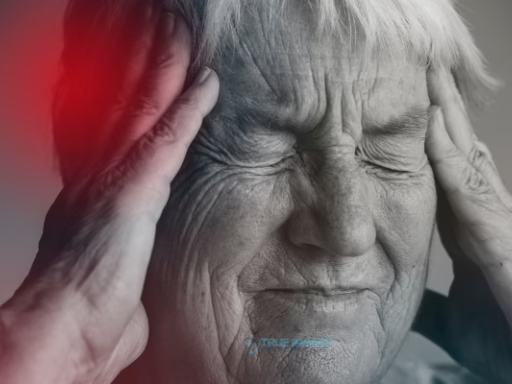
Chronic pain is a common yet often misunderstood health issue that affects millions of people worldwide. Unlike short‑term pain that signals an injury or illness and resolves with healing, chronic…
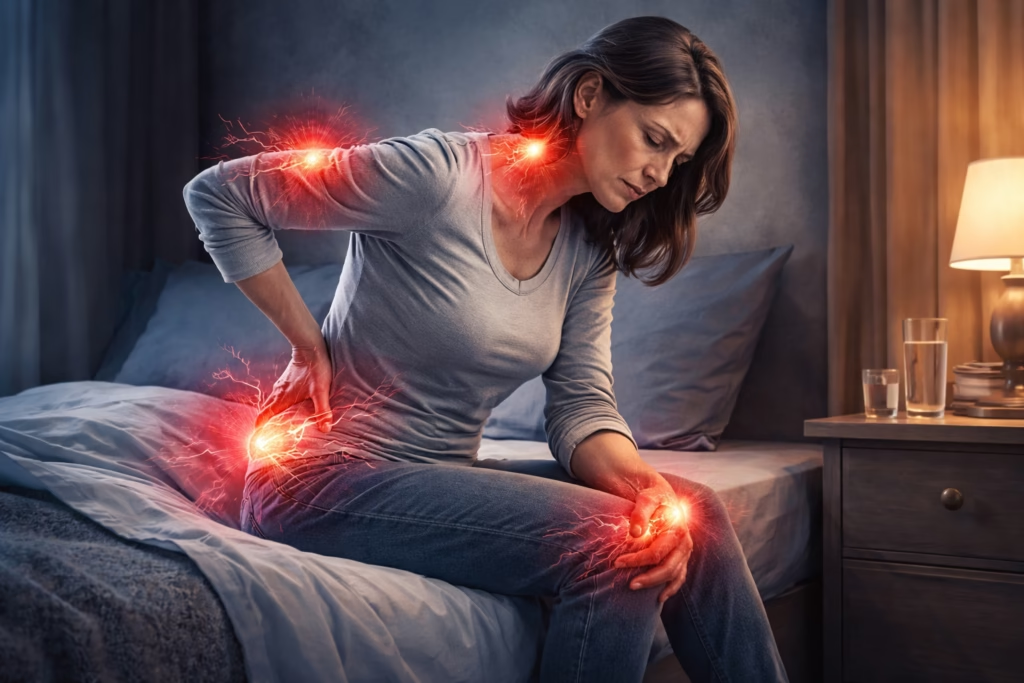
Table of Contents

Chronic pain is a common yet often misunderstood health issue that affects millions of people worldwide. Unlike short‑term pain that signals an injury or illness and resolves with healing, chronic pain can persist for months or even years, significantly impacting physical health, emotional well‑being, and quality of life. Understanding what chronic pain is, why it occurs, and how it is managed is an essential step toward better care and informed conversations with healthcare professionals.
Overview: What Is Chronic Pain?
Chronic pain is typically defined as pain that lasts longer than three months or beyond the expected time for normal healing. It may be continuous or intermittent, mild or severe, and can occur in almost any part of the body.
Importantly, chronic pain is not just a symptom—it can become a condition in itself. Over time, changes in the nervous system may cause pain signals to persist even when the original injury or disease has healed.
Key features of chronic pain include:
- Duration of several months or longer
- Persistence despite treatment of the initial cause
- Potential effects on mood, sleep, mobility, and daily functioning
Causes and Risk Factors
Chronic pain can arise from a wide range of medical conditions, injuries, or physiological processes. In some cases, no single clear cause can be identified.
Common Causes
- Musculoskeletal conditions: such as arthritis, back pain, or fibromyalgia
- Nerve-related conditions: including neuropathy, sciatica, or post-herpetic neuralgia
- Injuries or trauma: pain that persists after fractures, surgery, or soft tissue injuries
- Inflammatory or autoimmune diseases: such as rheumatoid arthritis or lupus
- Chronic illnesses: including cancer, endometriosis, or inflammatory bowel disease
Risk Factors
Several factors may increase the likelihood of developing chronic pain:
- Advancing age
- Previous injuries or surgeries
- Physically demanding or repetitive work
- Psychological factors such as stress, anxiety, or depression
- Poor sleep quality or sedentary lifestyle
Symptoms and Clinical Presentation
Chronic pain presents differently from person to person. The experience is subjective and influenced by biological, psychological, and social factors.
Common symptoms may include:
- Persistent aching, burning, stabbing, or throbbing pain
- Pain that worsens with activity or prolonged rest
- Fatigue or low energy
- Sleep disturbances
- Reduced mobility or stiffness
- Emotional effects such as irritability, anxiety, or low mood
Over time, chronic pain can interfere with work, relationships, and daily activities, contributing to decreased overall well-being.
Diagnosis and Screening
Diagnosing chronic pain involves more than identifying where the pain is located. Healthcare providers typically take a comprehensive approach to understand both the physical and functional impact of the pain.
Diagnostic Approaches May Include:
- Detailed medical history: including pain duration, intensity, triggers, and daily impact
- Physical examination: to assess movement, tenderness, and neurological function
- Imaging studies: such as X-rays, MRI, or CT scans when indicated
- Laboratory tests: to identify underlying inflammatory or systemic conditions
- Pain assessment tools: standardized questionnaires to evaluate severity and effect on quality of life
Because chronic pain is complex, diagnosis often focuses on understanding the condition rather than finding a single test result.
Treatment and Management Options
There is no one‑size‑fits‑all treatment for chronic pain. Management typically involves a multimodal approach, combining medical, physical, and psychological strategies.
Common Management Strategies
Medications
- Non‑opioid pain relievers (e.g., acetaminophen, NSAIDs)
- Certain antidepressants or anticonvulsants for nerve-related pain
- Opioids may be considered in specific cases but require careful monitoring
Physical Therapies
- Targeted exercise programs
- Stretching, strengthening, and mobility training
- Manual therapy techniques
Psychological Approaches
- Cognitive behavioral therapy (CBT)
- Stress management and relaxation techniques
- Coping skills education
Interventional Procedures
- Nerve blocks or injections
- Implantable devices in selected cases
The goal of treatment is often to reduce pain, improve function, and enhance quality of life, rather than eliminate pain entirely.
Prevention and Lifestyle Considerations
While not all chronic pain can be prevented, certain lifestyle practices may reduce risk or help manage symptoms.
Helpful strategies include:
- Maintaining regular physical activity appropriate for individual ability
- Practicing good posture and ergonomic habits
- Managing stress through relaxation or mindfulness techniques
- Prioritizing healthy sleep routines
- Avoiding tobacco use and maintaining a balanced diet
Early treatment of injuries and acute pain may also help reduce the likelihood of pain becoming chronic.
Conclusion: Key Takeaways
Chronic pain is a complex medical condition that extends beyond physical discomfort, affecting emotional health, daily functioning, and overall quality of life. It can stem from many causes and often requires a comprehensive, individualized approach to diagnosis and management. By understanding the nature of chronic pain and the available treatment strategies, individuals and caregivers can engage more effectively with healthcare professionals and make informed decisions about care.
Important Disclaimer
This article is intended for educational purposes only and does not replace professional medical advice, diagnosis, or treatment. Individuals experiencing persistent or worsening pain should consult a qualified healthcare professional for personalized evaluation and guidance.
Understanding chronic pain is an important first step—compassionate, evidence‑based care is essential in addressing its many challenges.
Was this page helpful?
Thanks for your feedback! What could we improve?
Thank you! Your feedback helps us improve our guides.
Our Health A–Z guides are written by the True Impact Health Editorial Team and based on reliable sources such as public health agencies, clinical guidelines and peer-reviewed research. This guide has not yet been medically reviewed. Read our editorial process.
This content is for general information and is not a substitute for professional medical advice, diagnosis or treatment.