













Health A–Z guide
Cholera
Cholera is an acute infectious disease that has shaped public health history for centuries and continues to pose a threat in certain parts of the world...
Table of Contents
Introduction
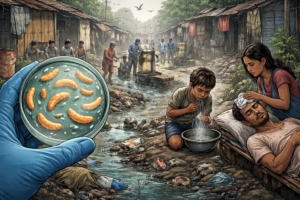
Cholera is an acute infectious disease that has shaped public health history for centuries and continues to pose a threat in certain parts of the world today. Although largely preventable and treatable with timely care, cholera can be life‑threatening if not properly managed. Understanding what cholera is, how it spreads, and how it can be prevented is essential for improving awareness and reducing its impact, especially in regions with limited access to clean water and sanitation.
This article provides a clear, medically accurate overview of cholera in accessible language, covering its causes, symptoms, diagnosis, treatment, and prevention.
Overview / Definition
Cholera is an acute diarrheal illness caused by infection with the bacterium Vibrio cholerae. The disease primarily affects the intestines and is characterized by sudden onset of profuse, watery diarrhea that can lead to severe dehydration.
Key points to know:
- Cholera is waterborne and spreads through ingestion of contaminated water or food.
- It can cause rapid fluid and electrolyte loss, which may become fatal within hours if untreated.
- Many infected individuals have mild symptoms or none at all, but they can still spread the bacteria.
Cholera remains endemic in parts of Africa, South Asia, and regions affected by humanitarian crises, natural disasters, or inadequate sanitation infrastructure.
Causes or Risk Factors
Cause
Cholera is caused by toxigenic strains of Vibrio cholerae, most commonly serogroup O1 and, less frequently, O139. After ingestion, the bacteria colonize the small intestine and produce cholera toxin, which disrupts normal fluid absorption and leads to massive watery diarrhea.
Risk Factors
Factors that increase the risk of cholera infection include:
- Unsafe drinking water or lack of water treatment
- Poor sanitation systems, such as inadequate sewage disposal
- Consumption of contaminated food, especially:
- Raw or undercooked seafood
- Unwashed fruits and vegetables
- Living in or traveling to endemic areas
- Crowded living conditions, including refugee camps
- Limited access to healthcare
People with reduced stomach acid (such as those taking antacids) may also be at higher risk, as stomach acid normally helps kill ingested bacteria.
Symptoms or Clinical Presentation
The incubation period for cholera ranges from a few hours to five days. Symptoms vary in severity.
Common Symptoms
- Sudden onset of watery diarrhea, often described as “rice-water stools”
- Nausea and vomiting
- Leg cramps due to electrolyte imbalances
Signs of Severe Disease
If untreated, cholera can cause:
- Severe dehydration
- Low blood pressure
- Rapid heart rate
- Sunken eyes and dry mucous membranes
- Reduced urine output
- Shock
Children, older adults, and individuals with underlying health conditions are particularly vulnerable to severe outcomes.
Diagnosis or Screening
Cholera is often suspected based on clinical symptoms and epidemiological context, especially during outbreaks.
Diagnostic Methods
- Stool culture to identify Vibrio cholerae (gold standard)
- Rapid diagnostic tests, useful in outbreak settings but less specific
- Polymerase chain reaction (PCR) testing in specialized laboratories
In areas where cholera is endemic or during epidemics, healthcare providers may begin treatment immediately without waiting for laboratory confirmation, as early intervention is critical.
Treatment or Management Options
Cholera is highly treatable when addressed promptly.
Rehydration Therapy (Cornerstone of Treatment)
- Oral Rehydration Salts (ORS)
- A precise mixture of water, glucose, and electrolytes
- Effective for most patients, even with ongoing diarrhea
- Intravenous (IV) fluids
- Required for severe dehydration or shock
Additional Treatments
- Antibiotics
- Can shorten the duration of diarrhea and reduce bacterial shedding
- Used in moderate to severe cases, according to public health guidelines
- Zinc supplementation
- Particularly beneficial for children, helping reduce severity and duration of diarrhea
With appropriate treatment, the mortality rate of cholera is less than 1%, compared to up to 50–60% without care.
Prevention or Lifestyle Considerations
Cholera is largely preventable through a combination of public health measures and individual practices.
Water, Sanitation, and Hygiene (WASH)
- Drinking safe, treated water
- Proper hand hygiene, especially before eating and after using the toilet
- Use of latrines and safe waste disposal
- Thorough cooking of food and safe food storage
Vaccination
- Oral cholera vaccines (OCVs) are available and effective
- Used for:
- Individuals living in or traveling to high-risk areas
- Outbreak control and humanitarian emergencies
- Vaccines complement, but do not replace, sanitation and clean water efforts
Community and Public Health Measures
- Surveillance and early outbreak detection
- Rapid response teams for case management
- Health education campaigns in at-risk communities
Conclusion
Cholera is a serious but preventable and treatable infectious disease primarily linked to unsafe water and poor sanitation. While symptoms can range from mild to life‑threatening, early recognition and prompt rehydration therapy dramatically reduce mortality. Long-term control of cholera depends on improved access to clean water, effective sanitation systems, public health surveillance, and vaccination strategies.
Raising awareness about cholera is an essential step toward reducing its global burden and protecting vulnerable populations.
Medical Disclaimer
This article is intended for educational purposes only and does not replace professional medical advice, diagnosis, or treatment. Readers are encouraged to consult qualified healthcare professionals or public health authorities for guidance regarding cholera or any other medical condition.
Was this page helpful?
Thanks for your feedback! What could we improve?
Thank you! Your feedback helps us improve our guides.
Our Health A–Z guides are written by the True Impact Health Editorial Team and based on reliable sources such as public health agencies, clinical guidelines and peer-reviewed research. This guide has not yet been medically reviewed. Read our editorial process.
This content is for general information and is not a substitute for professional medical advice, diagnosis or treatment.