













Health A–Z guide
Chagas Disease
Chagas Disease: What You Need to Know
Chagas disease is a serious but often overlooked illness that affects millions of people worldwide, primarily in Latin America. Caused by a parasitic...
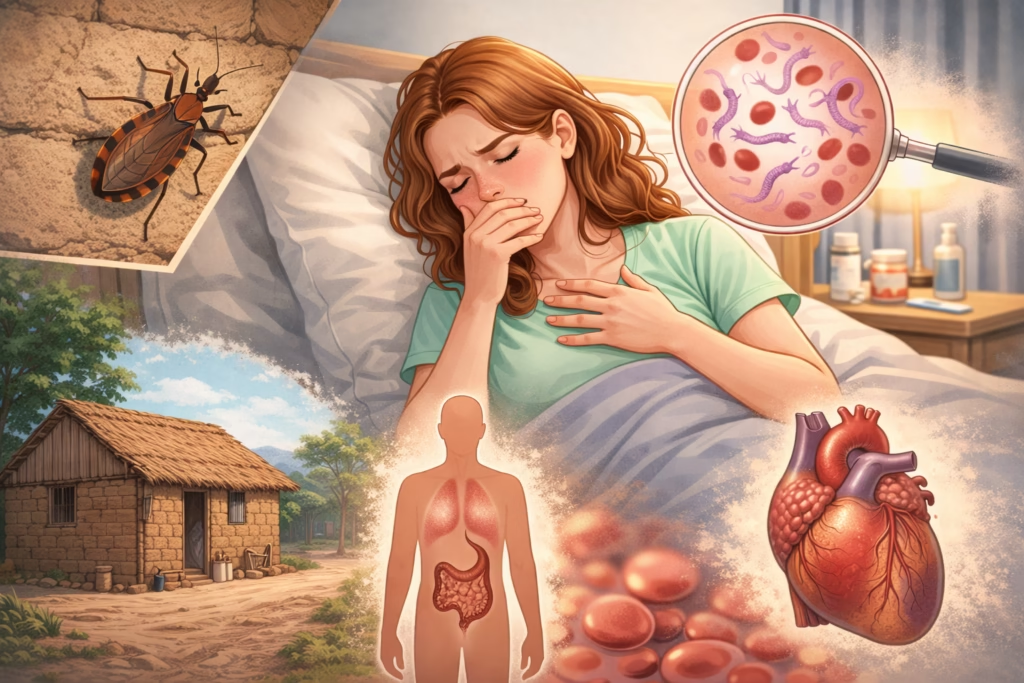
Table of Contents
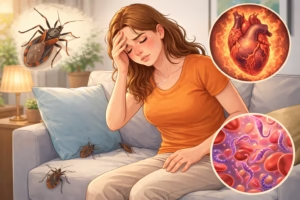
Chagas disease is a serious but often overlooked illness that affects millions of people worldwide, primarily in Latin America. Caused by a parasitic infection, it can remain silent for years before leading to potentially life-threatening complications involving the heart and digestive system. Increased global travel and migration mean that Chagas disease is now a global health concern rather than a regional one.
This article provides a clear, medically accurate overview of Chagas disease, including how it is transmitted, how it affects the body, how it is diagnosed and treated, and what can be done to reduce the risk of infection.
Overview / Definition
Chagas disease, also known as American trypanosomiasis, is an infectious disease caused by the parasite Trypanosoma cruzi. It is primarily transmitted to humans by insects commonly called kissing bugs (triatomine bugs).
The disease typically progresses in two phases:
- Acute phase (shortly after infection)
- Chronic phase (which may appear years or decades later)
While some people never develop symptoms, others may develop serious heart or gastrointestinal complications later in life.
Causes and Risk Factors
Cause
Chagas disease is caused by infection with the parasite Trypanosoma cruzi. The most common transmission route involves contact with the feces of infected triatomine insects after they bite a person.
Additional Modes of Transmission
Although less common, infection can also occur through:
- Blood transfusions or organ transplants from infected donors
- Transmission from pregnant mother to baby (congenital transmission)
- Consumption of food or drinks contaminated with the parasite
- Laboratory accidents (rare)
Risk Factors
People may be at higher risk if they:
- Live in or have spent time in rural areas of Latin America
- Reside in homes made of materials that allow insect infestation (e.g., thatched roofs or mud walls)
- Have received blood products in areas without routine Chagas screening
- Have a family history of Chagas disease
Symptoms and Clinical Presentation
Acute Phase Symptoms
The acute phase occurs weeks to months after infection and may be mild or unnoticed. When symptoms do occur, they may include:
- Fever
- Fatigue
- Body aches
- Headache
- Swelling at the site of infection (called a chagoma)
- Swelling of the eyelid (known as Romaña’s sign)
Chronic Phase Symptoms
After the acute phase, the disease may enter a prolonged silent period. Years or decades later, approximately 20–30% of infected individuals develop chronic complications, such as:
- Heart disease
- Irregular heart rhythms
- Enlarged heart
- Heart failure
- Sudden cardiac arrest
- Digestive system issues
- Enlarged esophagus (difficulty swallowing)
- Enlarged colon (severe constipation or abdominal pain)
Diagnosis and Screening
Diagnosing Chagas disease depends on the stage of infection:
- Acute phase: Detection of the parasite in blood samples using microscopy
- Chronic phase: Blood tests that detect antibodies against Trypanosoma cruzi
Screening is especially important for:
- People born in or who have lived in endemic regions
- Pregnant individuals from endemic areas
- Blood and organ donors in many countries
Early detection plays a critical role in managing the disease and preventing complications.
Treatment and Management Options
Antiparasitic Treatment
Two medications are commonly used to treat Chagas disease:
- Benznidazole
- Nifurtimox
These treatments are most effective when given early, particularly during the acute phase. They may also benefit some people in the chronic phase, especially younger individuals.
Management of Complications
For those with chronic organ involvement, treatment focuses on managing specific complications, such as:
- Heart medications or implanted devices (e.g., pacemakers)
- Treatment for heart failure or arrhythmias
- Surgical or medical management of digestive issues
Treatment decisions are typically individualized and guided by specialists.
Prevention and Lifestyle Considerations
While no vaccine currently exists for Chagas disease, prevention strategies focus on reducing exposure and transmission:
- Improving housing conditions to reduce insect infestations
- Vector control programs using insecticides
- Screening of blood, organ, and tissue donors
- Food safety measures to prevent contamination
- Prenatal screening in high-risk populations
Public health efforts are essential to reducing the global burden of Chagas disease.
Conclusion
Chagas disease is a complex infectious condition that often goes undetected until serious complications arise. Understanding how it is transmitted, recognizing potential symptoms, and ensuring appropriate screening are key steps in reducing its impact. Advances in diagnosis, treatment, and public health interventions continue to improve outcomes, especially when the disease is identified early.
Disclaimer:
This article is for educational purposes only and is not intended to replace professional medical advice, diagnosis, or treatment. Individuals with concerns about Chagas disease or potential exposure should consult a qualified healthcare professional for personalized evaluation and care.
By increasing awareness and promoting early detection, Chagas disease can be better managed and, in many cases, prevented.
Was this page helpful?
Thanks for your feedback! What could we improve?
Thank you! Your feedback helps us improve our guides.
Our Health A–Z guides are written by the True Impact Health Editorial Team and based on reliable sources such as public health agencies, clinical guidelines and peer-reviewed research. This guide has not yet been medically reviewed. Read our editorial process.
This content is for general information and is not a substitute for professional medical advice, diagnosis or treatment.