














Health A–Z guide
Bladder Health
Bladder Health: What You Need to Know for Lifelong Urinary Wellness
The bladder may not get much attention until something goes wrong, but it plays a vital role in everyday health and comfort. A healthy bladder allows the body to store…
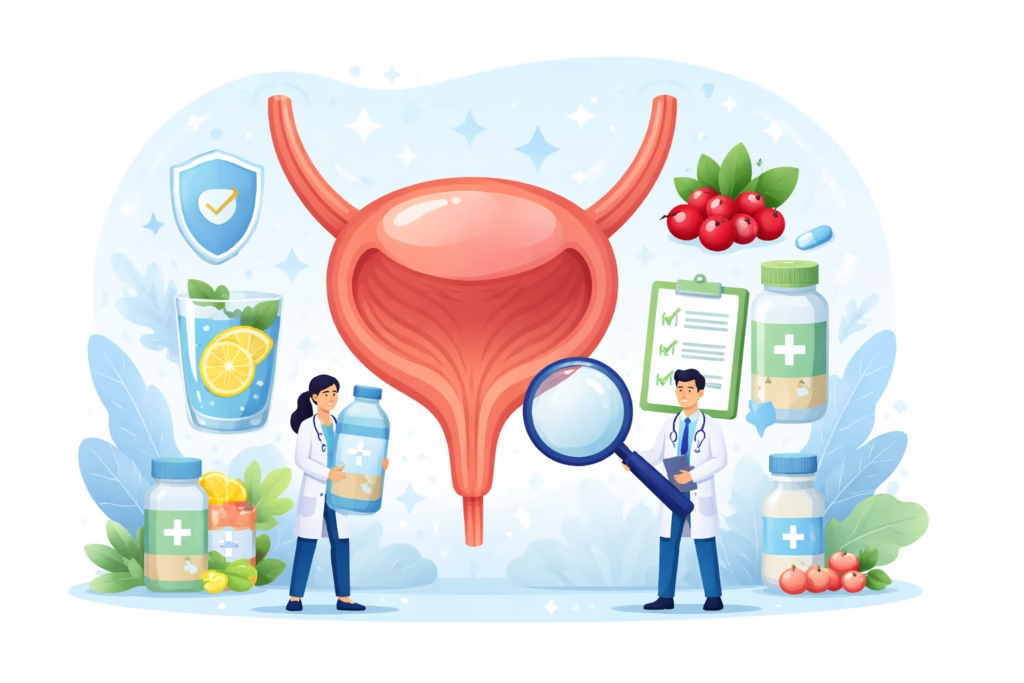
Table of Contents

The bladder may not get much attention until something goes wrong, but it plays a vital role in everyday health and comfort. A healthy bladder allows the body to store and release urine efficiently, helping maintain fluid balance and remove waste products. Understanding how the bladder works, what can affect its function, and how to protect it can support long-term urinary health and overall well-being.
This article provides a clear, medically accurate overview of bladder health, including common conditions, risk factors, symptoms, and prevention strategies, using accessible and evidence-based information.
Overview: What Is the Bladder and Why Is It Important?
The bladder is a hollow, muscular organ located in the lower abdomen. Its main functions are to:
- Store urine produced by the kidneys
- Signal the brain when it is time to urinate
- Contract and release urine through the urethra during urination
In adults, a healthy bladder typically holds 300–500 milliliters of urine. Proper coordination between bladder muscles, nerves, and the urinary sphincters is essential for normal bladder function.
Causes and Risk Factors Affecting Bladder Health
Several factors can influence bladder function or increase the risk of bladder disorders. These range from lifestyle habits to medical conditions.
Common Risk Factors Include:
- Aging, which may weaken bladder muscles or alter nerve signals
- Urinary tract infections (UTIs)
- Smoking, a known risk factor for bladder cancer
- Neurological conditions, such as multiple sclerosis, stroke, or spinal cord injury
- Diabetes, which can affect bladder nerves over time
- Pelvic surgery or childbirth, potentially impacting bladder support or nerve control
- Chronic bladder irritation, from chemicals, stones, or long-term catheter use
Symptoms or Clinical Presentation
Bladder problems can present in various ways, depending on the underlying cause. Common symptoms include:
- Frequent urination
- Urgency (a sudden, strong need to urinate)
- Pain or burning during urination
- Difficulty starting or completely emptying the bladder
- Leakage or loss of bladder control (urinary incontinence)
- Blood in the urine (hematuria)
- Pelvic or lower abdominal discomfort
Persistent or worsening symptoms should always be evaluated by a healthcare professional.
Diagnosis and Screening
Diagnosing bladder conditions typically involves a combination of clinical history, physical examination, and diagnostic testing.
Common Diagnostic Tools:
- Urinalysis to check for infection, blood, or abnormal substances
- Urine culture to identify bacterial infections
- Bladder ultrasound or imaging studies to assess structure and emptying
- Urodynamic testing to evaluate bladder function
- Cystoscopy, a procedure that allows direct visualization of the bladder lining
- Urine cytology for evaluating abnormal or cancerous cells in high-risk individuals
Screening practices depend on symptoms, age, sex, and individual risk factors.
Treatment and Management Options
Treatment for bladder conditions varies widely and is guided by the underlying diagnosis, severity of symptoms, and overall health.
Management Approaches May Include:
- Medications, such as antibiotics for infections or drugs that relax or stimulate bladder muscles
- Behavioral therapies, including bladder training and scheduled voiding
- Pelvic floor muscle therapy, often guided by physical therapy specialists
- Medical procedures or surgery, in cases of structural issues, tumors, or severe dysfunction
- Use of assistive devices, such as catheters when necessary
Treatment plans are typically individualized and supervised by qualified healthcare providers.
Prevention and Lifestyle Considerations
While not all bladder conditions are preventable, certain habits may support bladder health over time.
General Bladder-Friendly Practices:
- Staying adequately hydrated
- Avoiding tobacco use
- Limiting bladder irritants such as excessive caffeine or alcohol
- Practicing good bathroom habits, including not delaying urination for long periods
- Maintaining a healthy weight to reduce pressure on the bladder
- Managing chronic health conditions under medical guidance
These measures may help reduce strain on the urinary system and promote healthy bladder function.
Conclusion: Key Takeaways on Bladder Health
Bladder health is an essential but often overlooked aspect of overall wellness. The bladder’s ability to store and release urine depends on a complex interaction between muscles, nerves, and the urinary tract. Factors such as aging, infections, lifestyle habits, and underlying medical conditions can affect bladder function. Recognizing symptoms early and understanding diagnostic and management options can support timely care and better outcomes.
Medical Disclaimer
This article is intended for educational purposes only and does not substitute for professional medical advice, diagnosis, or treatment. Individuals with concerns about bladder health or urinary symptoms should consult a qualified healthcare professional for personalized evaluation and care.
Was this page helpful?
Thanks for your feedback! What could we improve?
Thank you! Your feedback helps us improve our guides.
Our Health A–Z guides are written by the True Impact Health Editorial Team and based on reliable sources such as public health agencies, clinical guidelines and peer-reviewed research. This guide has not yet been medically reviewed. Read our editorial process.
This content is for general information and is not a substitute for professional medical advice, diagnosis or treatment.