














Health A–Z guide
Bladder Cancer
Bladder Cancer: What You Need to Know
Bladder cancer is a common but often under-discussed cancer that affects the urinary system. While it can be serious, especially if diagnosed late, many...
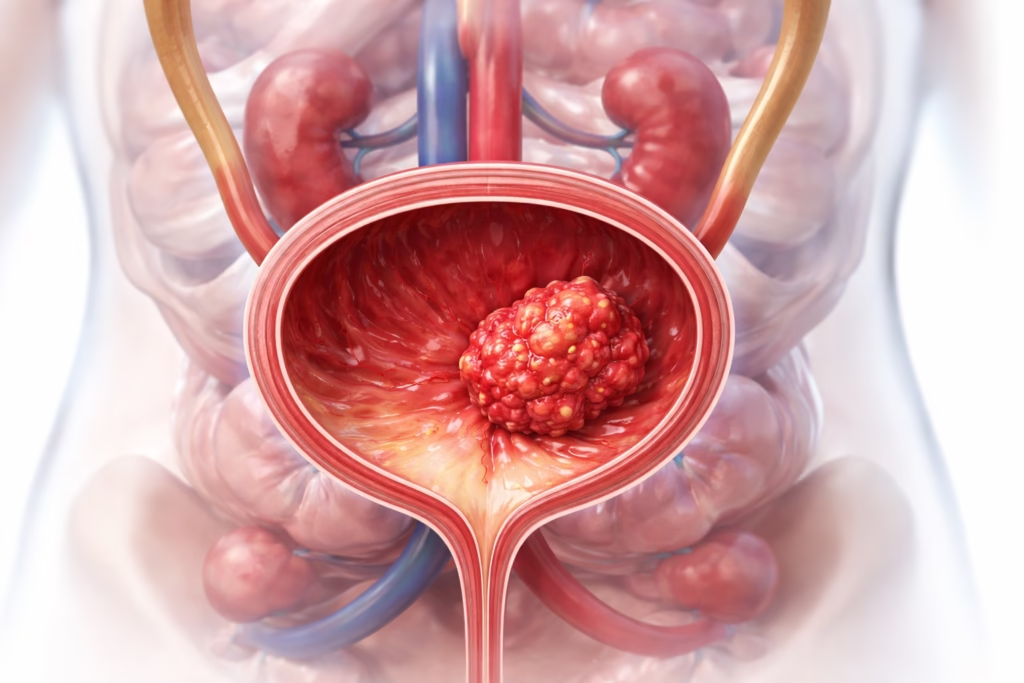
Table of Contents

Bladder cancer is a common but often under-discussed cancer that affects the urinary system. While it can be serious, especially if diagnosed late, many cases are highly treatable when detected early. Understanding bladder cancer, its risk factors, symptoms, and treatment options, can empower individuals to seek timely medical evaluation and make informed health decisions.
This article provides a clear, evidence-based overview of bladder cancer in accessible language for a general audience.
Overview: What Is Bladder Cancer?
Bladder cancer occurs when abnormal cells grow uncontrollably in the lining of the bladder, the organ responsible for storing urine before it leaves the body. Most bladder cancers begin in the urothelial cells, which line the inside of the bladder.
There are several types of bladder cancer, including:
- Urothelial carcinoma (transitional cell carcinoma): The most common type
- Squamous cell carcinoma: Often linked to chronic bladder irritation
- Adenocarcinoma: Rare and usually aggressive
Bladder cancer can range from non–muscle-invasive (confined to the inner layers) to muscle-invasive, which has a higher risk of spreading to other parts of the body.
Causes and Risk Factors
The exact cause of bladder cancer is not always known, but several factors are known to increase risk:
Common Risk Factors
- Smoking: The strongest known risk factor; tobacco chemicals are excreted in urine and damage bladder cells
- Occupational exposure: Certain chemicals used in dye, rubber, leather, and paint industries
- Age: Risk increases significantly after age 55
- Biological sex: More common in men than women
- Chronic bladder irritation: Recurrent infections, bladder stones, or long-term catheter use
- Previous cancer treatment: Certain chemotherapy drugs or pelvic radiation
- Family history and genetics: Less common but relevant in some cases
Symptoms and Clinical Presentation
Bladder cancer symptoms can vary and may resemble less serious urinary conditions. Common signs include:
- Blood in the urine (hematuria): May be visible or detected on testing
- Frequent urination
- Pain or burning during urination
- Urgent need to urinate, even with an empty bladder
- Lower abdominal or back pain (more common in advanced disease)
Importantly, symptoms may come and go, which can delay diagnosis.
Diagnosis and Screening
There is no routine screening recommended for the general population, but evaluation is critical when symptoms are present.
Diagnostic Tools May Include:
- Urinalysis and urine cytology: To detect blood or abnormal cells
- Cystoscopy: A thin camera inserted into the bladder to directly visualize abnormal areas
- Imaging tests: CT scans, MRI, or ultrasound to assess tumor extent
- Biopsy: Tissue sampling to confirm diagnosis and determine cancer grade
Early diagnosis significantly improves treatment outcomes.
Treatment and Management Options
Treatment depends on factors such as cancer type, stage, grade, and overall health. Management is often multidisciplinary.
Common Treatment Approaches
- Surgery
- Transurethral resection (for early-stage disease)
- Partial or radical cystectomy (removal of part or all of the bladder)
- Intravesical therapy
- Medications placed directly into the bladder (e.g., BCG therapy)
- Chemotherapy
- Used before or after surgery, or for advanced disease
- Immunotherapy
- Helps the immune system target cancer cells
- Radiation therapy
- Sometimes used as an alternative to surgery or for symptom relief
Bladder cancer often requires long-term follow-up due to a risk of recurrence.
Prevention and Lifestyle Considerations
While not all cases are preventable, certain measures may reduce risk:
- Avoid smoking or seek help to quit
- Reduce occupational chemical exposure with proper safety practices
- Stay well-hydrated, which may help dilute urinary toxins
- Eat a balanced diet rich in fruits and vegetables
- Seek prompt medical attention for urinary symptoms
Conclusion: Key Takeaways
Bladder cancer is a potentially serious condition, but early detection and modern treatments have greatly improved outcomes. Recognizing symptoms such as blood in the urine and understanding risk factors—particularly smoking—are crucial steps toward timely diagnosis. With appropriate medical care and ongoing monitoring, many individuals with bladder cancer continue to live full, active lives.
Medical Disclaimer
This article is intended for educational purposes only and does not replace professional medical advice, diagnosis, or treatment. Always consult a qualified healthcare provider with questions or concerns about bladder cancer or any medical condition.
If you found this article helpful, consider sharing it to raise awareness about bladder cancer and the importance of early evaluation.
Was this page helpful?
Thanks for your feedback! What could we improve?
Thank you! Your feedback helps us improve our guides.
Our Health A–Z guides are written by the True Impact Health Editorial Team and based on reliable sources such as public health agencies, clinical guidelines and peer-reviewed research. This guide has not yet been medically reviewed. Read our editorial process.
This content is for general information and is not a substitute for professional medical advice, diagnosis or treatment.