










Health A–Z guide
Bites & Stings
Bites & Stings: What You Need to Know
Bites and stings are common medical concerns that affect people of all ages, particularly those who spend time outdoors. While many bites and stings cause...
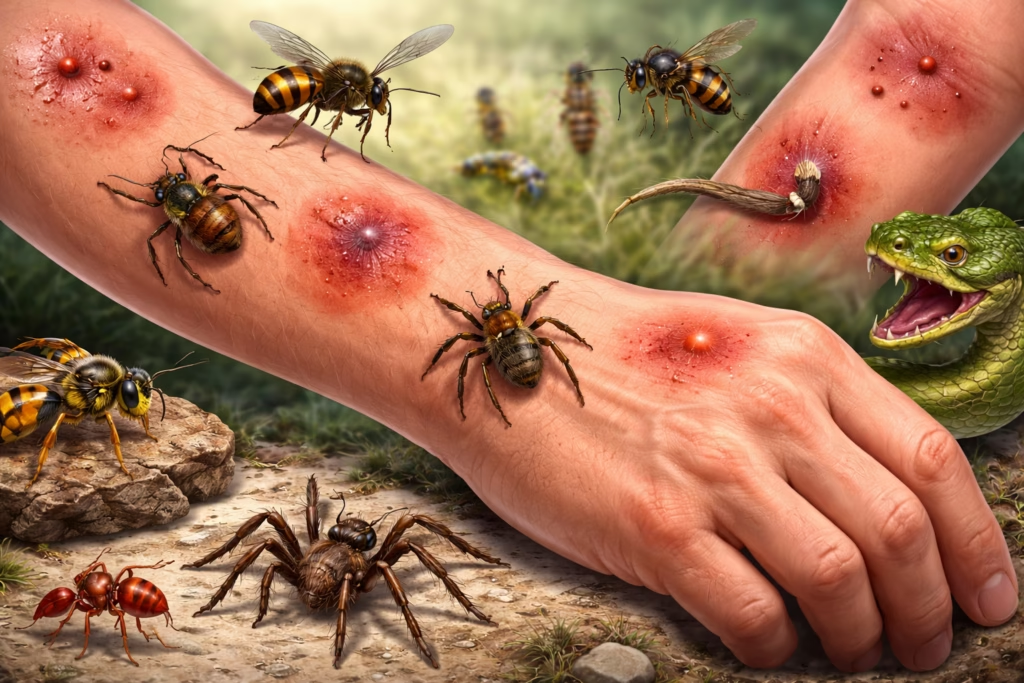
Table of Contents
Bites and stings are common medical concerns that affect people of all ages, particularly those who spend time outdoors. While many bites and stings cause only mild, temporary discomfort, others can lead to significant allergic reactions, infections, or serious illness. Understanding their causes, symptoms, and appropriate management can help improve outcomes and reduce complications.
This article provides an overview of bites and stings from a medical perspective, using clear and accessible language to support general awareness and safety.
Overview / Definition
Bites and stings refer to injuries caused by insects, arachnids, and animals that either puncture the skin to feed (bites) or inject venom through a specialized structure (stings). Common examples include bites from mosquitoes, ticks, and spiders, as well as stings from bees, wasps, ants, and jellyfish.
Most reactions are localized and self-limited; however, some individuals may experience severe allergic responses or develop infections that require medical evaluation.
Causes or Risk Factors
Bites and stings occur when humans come into contact with insects or animals, often unintentionally. Several factors can increase the likelihood of exposure:
- Outdoor activities, such as hiking, gardening, or camping
- Living in or traveling to areas with high insect populations
- Warm climates and seasons, when insects are most active
- Open food or sweet scents, which attract certain insects
- Protective barriers absent, such as lack of clothing or insect repellents
Certain individuals may also have increased sensitivity due to prior allergic reactions or immune system conditions.
Symptoms or Clinical Presentation
Symptoms vary widely depending on the type of bite or sting and the individual’s immune response. Common presentations include:
Local Reactions
- Redness and swelling at the site
- Itching or burning sensation
- Mild to moderate pain
Systemic or Severe Reactions
- Widespread hives or rash
- Swelling of the face, lips, or throat
- Difficulty breathing or wheezing
- Dizziness or fainting
In rare but serious cases, bites or stings can lead to anaphylaxis, a life-threatening allergic reaction requiring emergency care.
Diagnosis or Screening
Diagnosis is primarily clinical, based on:
- A detailed history of exposure
- Appearance of the lesion or sting site
- Associated symptoms (local vs. systemic)
Laboratory tests are generally unnecessary for simple bites and stings but may be used in cases involving:
- Suspected infection
- Vector-borne diseases (e.g., tick-borne illnesses)
- Severe allergic reactions requiring further evaluation
Treatment or Management Options
Treatment depends on the type and severity of the reaction and typically focuses on relieving symptoms and preventing complications.
Common Management Approaches
- Cleaning the affected area to reduce infection risk
- Measures to reduce swelling or itching
- Medications to manage pain, inflammation, or allergic reactions
- Observation for worsening symptoms in at-risk individuals
Severe reactions may require urgent medical intervention and closer clinical monitoring.
Prevention or Lifestyle Considerations
Preventing bites and stings is often the most effective strategy. General preventive measures include:
- Wearing long sleeves and protective clothing in outdoor settings
- Using approved insect repellents when appropriate
- Avoiding known insect nesting areas
- Keeping food covered during outdoor activities
- Checking skin and clothing after time spent in wooded or grassy areas
Education and awareness are especially important for individuals with known allergies to insect stings.
Conclusion: Key Takeaways
Bites and stings are common but often manageable occurrences that can range from mild irritation to serious medical emergencies. Understanding risk factors, recognizing symptoms, and knowing when to seek medical attention are essential for safe and effective management. Preventive strategies remain a cornerstone in reducing exposure and complications, particularly for those at higher risk.
Medical Disclaimer
This article is intended for educational purposes only and does not replace professional medical advice. Readers experiencing severe symptoms, allergic reactions, or signs of infection should seek evaluation from a qualified healthcare professional. Always consult a licensed medical provider for diagnosis, treatment, and individualized care.
Was this page helpful?
Thanks for your feedback! What could we improve?
Thank you! Your feedback helps us improve our guides.
Our Health A–Z guides are written by the True Impact Health Editorial Team and based on reliable sources such as public health agencies, clinical guidelines and peer-reviewed research. This guide has not yet been medically reviewed. Read our editorial process.
This content is for general information and is not a substitute for professional medical advice, diagnosis or treatment.