











Health A–Z guide
Bacterial Vaginosis
Bacterial Vaginosis: Understanding Causes, Symptoms, and Management
Bacterial Vaginosis (BV) is a common vaginal condition that affects many people at different stages of life. Although it is not usually serious, BV can be uncomfortable and, if left…
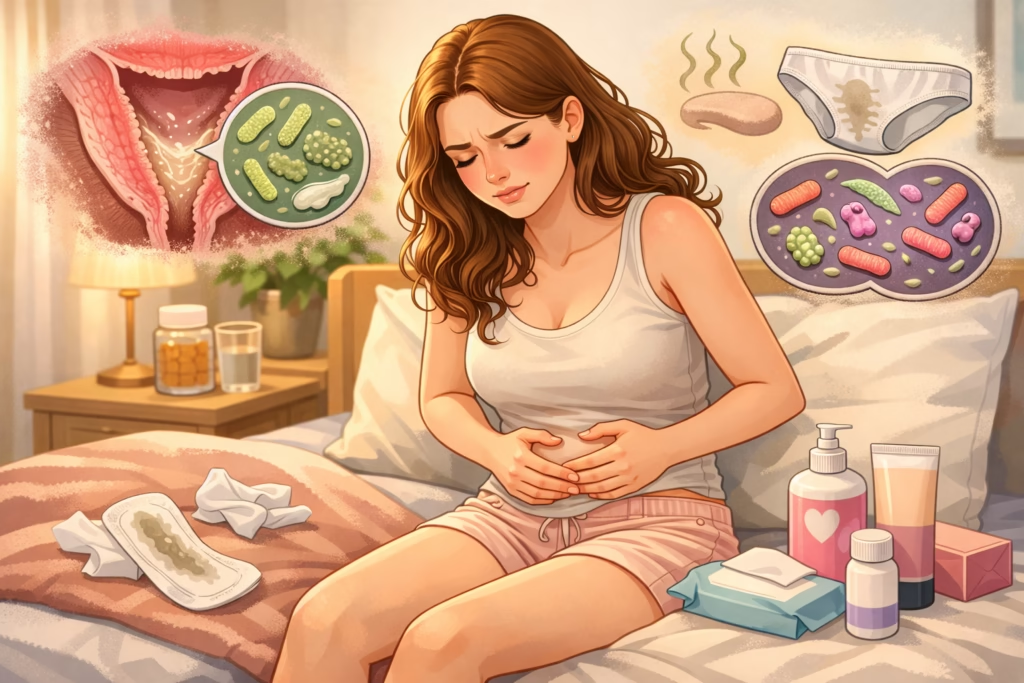
Table of Contents

Bacterial Vaginosis (BV) is a common vaginal condition that affects many people at different stages of life. Although it is not usually serious, BV can be uncomfortable and, if left untreated, may lead to complications, especially during pregnancy or certain medical procedures. Understanding what BV is, why it occurs, and how it is managed can help individuals recognize when to seek medical care and reduce the risk of recurrence.
Overview: What Is Bacterial Vaginosis?
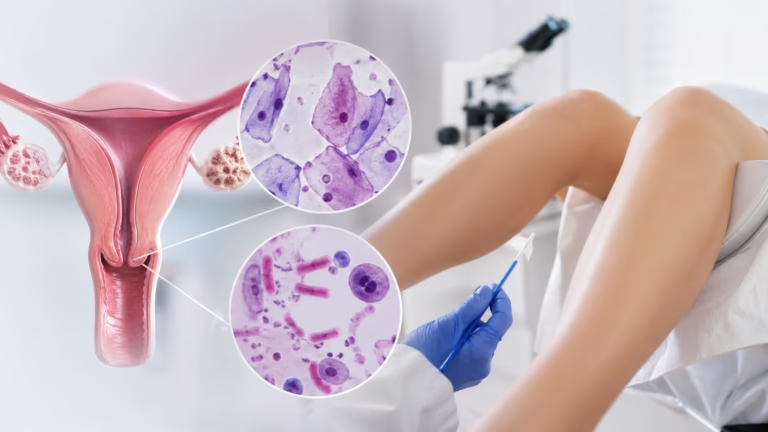
Bacterial Vaginosis is a condition caused by an imbalance in the natural bacteria that live in the vagina. A healthy vaginal environment is typically dominated by Lactobacillus bacteria, which help maintain a slightly acidic pH. In BV, these beneficial bacteria decrease, allowing other types of bacteria to overgrow.
BV is not classified as a traditional sexually transmitted infection (STI), but sexual activity can influence the risk of developing it. The condition is common and often treatable, yet many affected individuals may not have noticeable symptoms.
Causes and Risk Factors
The exact cause of BV is not always clear, but several factors are associated with an increased risk of developing the condition.
Common risk factors include:
- Having a new sexual partner or multiple partners
- Douching or using vaginal cleansing products
- Natural lack of Lactobacillus bacteria
- Smoking
- Using intrauterine devices (IUDs), in some cases
It is important to note that BV can occur in people who are not sexually active and is not caused by poor hygiene.
Symptoms and Clinical Presentation
Some individuals with BV experience no symptoms at all. When symptoms do occur, they may include:
- Thin vaginal discharge that appears white, gray, or milky
- A noticeable “fishy” vaginal odor, often more pronounced after sex
- Vaginal itching or irritation (less common)
- Mild burning during urination
Unlike yeast infections, BV typically does not cause significant redness, swelling, or thick discharge.
Diagnosis and Screening
Bacterial Vaginosis is diagnosed by a healthcare professional through:
- A review of symptoms and medical history
- A pelvic examination
- Laboratory testing of vaginal fluid to assess:
- Bacterial composition
- Vaginal pH (BV usually has a pH above 4.5)
Routine screening is not usually recommended for people without symptoms, except in certain pregnancy-related situations.
Treatment and Management Options
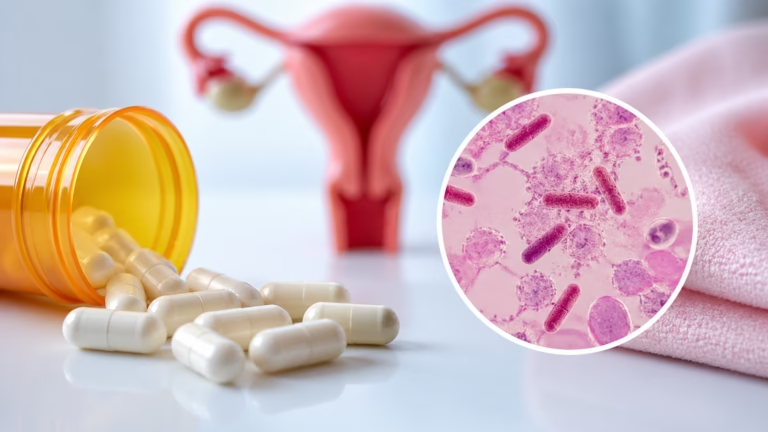
BV is typically treated with prescription antibiotics. Commonly used medications include:
- Metronidazole (oral or vaginal gel)
- Clindamycin (vaginal cream or oral form)
Key points about treatment:
- Symptoms often resolve within a few days of starting medication
- Completing the full course is important, even if symptoms improve
- BV can recur, sometimes requiring repeat treatment
Alcohol use may need to be avoided with certain medications, depending on what is prescribed.
Prevention and Lifestyle Considerations
While BV cannot always be prevented, certain practices may reduce the risk:
- Avoid douching or using scented vaginal products
- Practice safer sex, including consistent condom use
- Limit the number of sexual partners
- Follow prescribed treatments exactly as directed
Maintaining overall vaginal health helps support a balanced bacterial environment.
Conclusion: Key Takeaways
Bacterial Vaginosis is a common and often manageable condition caused by an imbalance of vaginal bacteria. While it may be symptom-free in some individuals, others may experience discharge or odor that prompts medical evaluation. Accurate diagnosis and evidence-based treatment are important to relieve symptoms and reduce the risk of complications. Understanding BV empowers individuals to recognize changes in their health and seek appropriate care when needed.
Medical Disclaimer
This article is intended for educational purposes only and does not provide personalized medical advice. For diagnosis, treatment recommendations, or concerns about symptoms, readers are encouraged to consult a qualified healthcare professional.
Was this page helpful?
Thanks for your feedback! What could we improve?
Thank you! Your feedback helps us improve our guides.
Our Health A–Z guides are written by the True Impact Health Editorial Team and based on reliable sources such as public health agencies, clinical guidelines and peer-reviewed research. This guide has not yet been medically reviewed. Read our editorial process.
This content is for general information and is not a substitute for professional medical advice, diagnosis or treatment.