













Health A–Z guide
Asthma
Asthma: Understanding a Common Chronic Respiratory Condition
Asthma is a long-term condition that affects the airways, the tubes that carry air in and out of the lungs. It is one of the most common chronic diseases worldwide,…
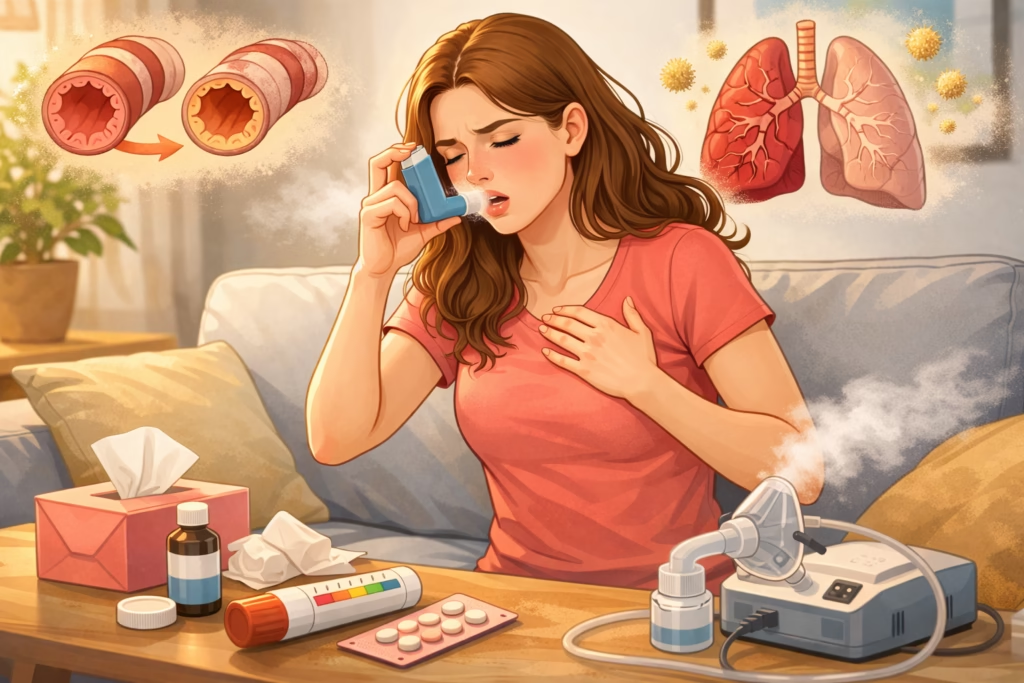
Table of Contents

Asthma is a long-term condition that affects the airways, the tubes that carry air in and out of the lungs. It is one of the most common chronic diseases worldwide, affecting people of all ages, from young children to older adults. While asthma cannot currently be cured, it can usually be managed effectively, allowing many people to lead active, healthy lives. Understanding what asthma is, what triggers it, and how it is treated is an important step toward better respiratory health.
Overview / Definition
Asthma is a chronic inflammatory disease of the airways. In people with asthma, the airways are more sensitive than normal. When exposed to certain triggers, the airways:
- Become inflamed and swollen
- Produce excess mucus
- Narrow due to tightening of the surrounding muscles
This combination makes it harder for air to flow in and out of the lungs, leading to breathing difficulties. Asthma symptoms can vary widely—from mild and occasional to severe and life-threatening—and may change over time.
Causes or Risk Factors
The exact cause of asthma is not fully understood. Current evidence suggests it results from a combination of genetic susceptibility and environmental exposures.
Common risk factors include:
- Family history of asthma or allergic conditions (such as eczema or allergic rhinitis)
- Environmental allergens, including pollen, dust mites, mold, or pet dander
- Exposure to tobacco smoke, especially during childhood
- Air pollution or occupational irritants (chemicals, fumes, dust)
- Respiratory infections, particularly viral infections in early childhood
- Obesity, which has been linked to increased asthma risk and severity
Not everyone with these risk factors will develop asthma, and some people develop asthma without any obvious predisposing factors.
Symptoms or Clinical Presentation
Asthma symptoms can differ between individuals and may fluctuate over time. Symptoms often worsen in response to triggers or during respiratory infections.
Common symptoms include:
- Wheezing (a whistling sound when breathing)
- Shortness of breath
- Chest tightness or pressure
- Coughing, especially at night or early in the morning
In some cases, symptoms may appear only during exercise, exposure to allergens, or illness. Severe episodes, known as asthma exacerbations or attacks, can involve significant breathing difficulty and require urgent medical attention.
Diagnosis or Screening
Asthma is diagnosed based on a combination of medical history, symptom patterns, and objective lung function testing.
Common diagnostic tools include:
- Spirometry: Measures how much air a person can exhale and how quickly
- Peak flow measurements: Assess airflow limitation over time
- Bronchodilator responsiveness testing: Evaluates improvement after inhaled medication
- Allergy testing: May help identify specific triggers in some individuals
In children, diagnosis can be more challenging and may rely more heavily on symptom patterns and response to treatment.
Treatment or Management Options
Although asthma is a chronic condition, effective treatment can control symptoms and reduce the risk of flare-ups. Management plans are typically designed to reduce airway inflammation and relieve symptoms.
Common treatment approaches include:
Medication-based management
- Controller medications (such as inhaled corticosteroids) to reduce airway inflammation
- Reliever medications (short-acting bronchodilators) used to quickly ease symptoms
- Combination inhalers, which include more than one type of medication
- Biologic therapies for certain severe asthma types
Non-medication strategies
- Identifying and avoiding known triggers
- Monitoring symptoms or peak flow readings
- Following an asthma action plan developed with a healthcare professional
Asthma treatment is often adjusted over time based on symptom control and risk of exacerbations.
Prevention or Lifestyle Considerations
While asthma cannot always be prevented, certain measures may help reduce symptoms and improve quality of life.
Helpful lifestyle considerations include:
- Avoiding tobacco smoke and secondhand smoke
- Reducing exposure to known allergens or irritants
- Managing other health conditions, such as allergies or acid reflux
- Maintaining a healthy weight
- Staying current with recommended vaccinations, including those for respiratory infections
Regular follow-up with healthcare providers is also important to ensure asthma remains well controlled.
Conclusion
Asthma is a common and potentially serious chronic respiratory condition characterized by airway inflammation and narrowing. While its causes are complex and not fully understood, modern treatments allow most people with asthma to manage their symptoms effectively and maintain normal daily activities. Early recognition, accurate diagnosis, appropriate treatment, and lifestyle adjustments all play essential roles in long-term asthma control.
Medical Disclaimer
This article is intended for educational purposes only and does not replace professional medical advice, diagnosis, or treatment. Individuals with symptoms or concerns related to asthma should consult a qualified healthcare professional for personalized evaluation and care.
By improving awareness and understanding of asthma, patients, families, and communities can better support respiratory health and timely medical care.
Was this page helpful?
Thanks for your feedback! What could we improve?
Thank you! Your feedback helps us improve our guides.
Our Health A–Z guides are written by the True Impact Health Editorial Team and based on reliable sources such as public health agencies, clinical guidelines and peer-reviewed research. This guide has not yet been medically reviewed. Read our editorial process.
This content is for general information and is not a substitute for professional medical advice, diagnosis or treatment.