
If you care about the planet but also enjoy meat, you’ve probably wondered: Can you have both, a sustainable diet and meat on your plate? The short answer is yes, but how you eat meat matters a lot. The environmental footprint of meat varies widely depending on what you choose and how it’s produced.
The Environmental Impact of Eating Meat
Producing meat generally uses a lot of land, water, and energy, and contributes to greenhouse gas emissions. Livestock alone are linked to about 14.5% of global greenhouse gas emissions, largely due to methane from animals and emissions tied to feed production and manure.
Beef is often spotlighted as especially resource-intensive compared with other animal proteins like poultry, pork, or fish. But even here, context matters. For example, in countries such as the U.S., improved breeding practices and feed innovations are reducing emissions from cattle production.
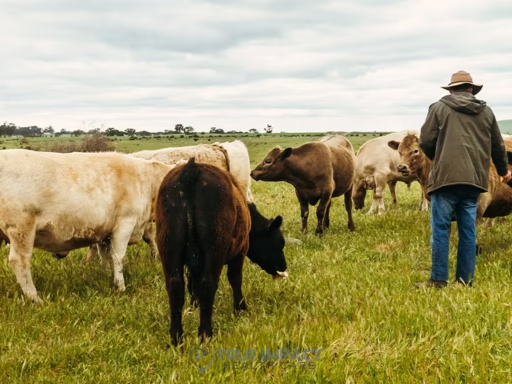
It’s also worth noting that not all meat production is equal. Industrial feedlots and concentrated animal feeding operations (CAFOs) have a heavier negative environmental impact than pasture-based or grass-fed systems, which can support soil health and biodiversity when managed well.
Does Sustainable Meat Exist?
Yes — but it’s nuanced:
-
Grass-fed or pasture-raised meat often has a lower impact on soil and local ecosystems than feedlot-raised animals because of better manure management and grazing patterns that support soil carbon storage.
-
Some farms are experimenting with innovative feed additives (like certain seaweeds) that can significantly reduce methane emissions from cattle.
-
Proper grazing can help maintain healthy grassland, support flood resilience, and even protect soil carbon stores, benefits that go beyond the farm fence.
Even with these improvements, meat generally has a larger environmental footprint than most plant foods, especially whole foods like vegetables, legumes, grains, and fruits.
How to Eat Meat More Sustainably
If you want to include meat in your eco-friendly diet, here are practical approaches:
1. Choose Better-Raised Meat
Look for grass-fed, pasture-raised, or sustainably labeled meat. These methods tend to support healthier ecosystems than industrial feedlot systems.
2. Eat Less, But Better
You don’t have to go meatless, but cutting back helps reduce your personal environmental footprint. Try using meat as a flavoring rather than the main plate focus.
3. Try Flexible Ways of Eating
Many people follow a flexitarian or semi-vegetarian approach, primarily plant-based but with occasional meat, which can deliver both nutritional balance and environmental benefits.
4. Stretch Your Meat Across Meals
Using smaller portions of meat in multiple dishes (like stews, stir-fries, and salads) can make your supply go further and boost plant foods in your diet.
5. Add More Plant Foods
If most of your plate comes from whole plant foods, grains, legumes, vegetables, nuts, then meat becomes a chef’s accent rather than the central ingredient.
The Bottom Line
Meat does have a larger environmental footprint than most plant foods, but that doesn’t mean you must eliminate it to eat sustainably. By reducing portions, choosing higher-welfare and better-managed production systems, and emphasizing plants as the foundation of your meals, you can follow an eco-friendly diet that still includes meat.
The key is making informed choices, not perfection.