










How to Treat a Dog Leg Sprain
Learn how to treat a dog leg sprain safely. Discover essential first aid steps, resting tips, vet care guidance, and rehabilitation advice.
By True Impact Health Editorial Team

Doctor of Veterinary Medicine (DVM) who reviews the pet and animal health articles on True Impact Health.
Reviewed this article on October 10, 2026.
View profile How we reviewUpdated on October 10, 2026 6 min read
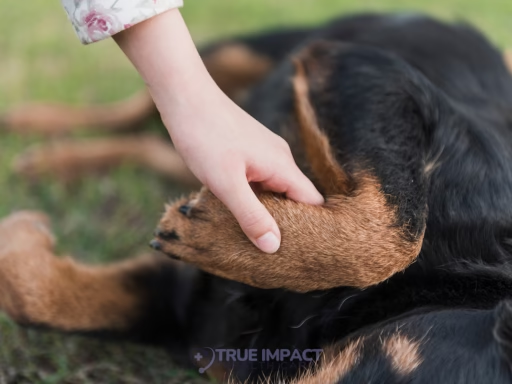
Table of Contents
Quick answer
Treating a dog leg sprain requires immediate activity restriction and rest in a confined space. Apply a wrapped cold pack for 10 to 15 minutes to reduce swelling, and avoid all jumping or running. Have a veterinarian examine the limb to prescribe safe pain relief and rule out severe tears or fractures.
Introduction
Seeing your dog suddenly limp or avoid putting weight on a leg can be distressing. Dogs rely on mobility for nearly everything, play, exercise, exploration, so even minor injuries affect their well-being and mood. One common cause of sudden lameness is a leg sprain, which occurs when the ligaments stabilizing a joint are overstretched or torn.
While sprains can be painful, they are often manageable with quick intervention, proper veterinary care, and structured rehabilitation. Understanding how to recognize the injury and respond appropriately can dramatically improve recovery outcomes. This guide explains what sprains are, how to treat them, when to seek veterinary help, and how to reduce the risk of future injuries.
Understanding Dog Leg Sprains
What Is a Sprain?
A sprain refers to damage affecting ligaments, the tough, fibrous tissues that connect bone to bone and maintain joint stability. When these ligaments stretch beyond their normal range, microscopic tears or complete ruptures can occur.
Common joint locations for sprains in dogs include:
-
Carpus (wrist) — often injured during abrupt stops or falls
-
Tarsus (ankle/hock) — susceptible during jumping or slipping
-
Stifle (knee) — prone to ligament damage during sudden twisting motions
Unlike fractures, sprains don’t involve broken bones, but they still disrupt joint function and cause inflammation, swelling, and pain. Left untreated, they may lead to chronic instability or arthritis.
Signs and Symptoms
Symptoms vary depending on severity and location. Monitor for:
-
Limping or lameness: May range from subtle favoring to refusing to bear weight
-
Swelling or bruising: Visible around the affected joint
-
Pain sensitivity: Your dog may withdraw, whine, or snap when touched
-
Reluctance to move: Avoiding stairs, jumping, or running
-
Localized warmth: Inflammation increases blood flow to the area
Because dogs instinctively hide pain, subtle behavioral changes (reduced playfulness, restlessness, or appetite changes) can also signal injury.
Grading Sprains
Veterinarians classify sprains into three categories:
-
Grade I (Mild):
Ligaments are stretched but structurally intact. Slight limping and minimal swelling may appear. Recovery is typically quick with rest. -
Grade II (Moderate):
Partial ligament tearing causes noticeable pain, swelling, and impaired movement. Veterinary evaluation is important to guide treatment. -
Grade III (Severe):
Complete ligament rupture leads to joint instability and inability to bear weight. Surgery or intensive therapy may be required.
Understanding severity helps determine the urgency and type of treatment needed.
Immediate First Aid for a Dog Leg Sprain
The RICE Protocol
Before veterinary assessment, supportive care can reduce inflammation and discomfort.
Rest
-
Restrict activity immediately.
-
Confine your dog to a crate or small space to prevent running or jumping.
-
Avoid walks except for brief bathroom breaks.
Rest prevents further ligament damage and allows initial healing.
Ice
-
Apply a cold pack wrapped in cloth to avoid skin irritation.
-
Hold on the area for 10–15 minutes, 2–3 times daily.
-
Cold reduces swelling and numbs pain by constricting blood vessels.
Compression
-
Wrap the joint with an elastic or self-adhesive bandage.
-
Ensure it’s snug but not tight, watch for swelling below the wrap or cold toes, which indicate impaired circulation.
-
Remove periodically to check skin condition.
Elevation
-
If possible, support the injured limb on a pillow when your dog is resting.
-
Elevation encourages fluid drainage and reduces swelling.
These measures stabilize the injury until professional evaluation.
When to Call the Vet
Immediate veterinary consultation is essential if you notice:
-
Non-weight-bearing lameness
-
Severe swelling or heat
-
Persistent pain beyond 24 hours
-
Visible deformity
-
Behavioral changes (lethargy, loss of appetite)
Sprains may resemble fractures or ligament ruptures, and accurate diagnosis requires professional assessment.
Veterinary Diagnosis and Treatment
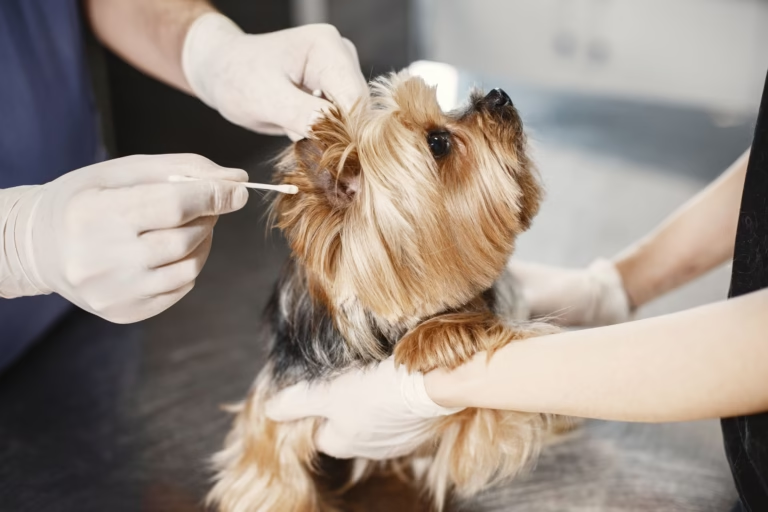
Physical Examination
Your veterinarian evaluates:
-
Joint mobility and stability
-
Pain response
-
Swelling or structural abnormalities
-
Walking pattern (gait analysis)
This helps localize the injury and determine severity.
Diagnostic Imaging
If necessary, imaging confirms the diagnosis:
-
X-rays: Rule out fractures or dislocations
-
Ultrasound: Visualize ligament or tendon injury
-
MRI/CT scans: Detailed imaging for complex or severe cases
These tools ensure treatment targets the correct issue.
Treatment Options
Immobilization
Splints, braces, or wraps stabilize joints and prevent aggravation during healing.
Pain Management
Veterinarian-prescribed medications such as NSAIDs reduce inflammation and discomfort.
Never give human pain medication—many are toxic to dogs.
Joint Supplements
Compounds like glucosamine, chondroitin, and omega-3 fatty acids support tissue repair and reduce inflammation over time.
Surgical Intervention
Reserved for severe sprains or complete ligament rupture. Surgery restores joint stability and prevents long-term dysfunction.
Home Care and Rehabilitation
Gradual Exercise Plan
Controlled movement aids recovery without overloading healing tissue:
-
Begin with short leash walks (5–10 minutes).
-
Gradually extend duration as mobility improves.
-
Avoid rough play, jumping, or slippery surfaces.
Rehabilitation should progress cautiously to avoid setbacks.
Physical Therapy Techniques
-
Range-of-motion exercises:
Gentle bending and extending maintain flexibility and prevent stiffness. -
Hydrotherapy:
Water buoyancy reduces joint stress while enabling muscle strengthening. -
Massage:
Improves circulation and relieves muscle tension surrounding the injured joint.
Professional canine rehabilitation services may incorporate advanced modalities such as laser therapy or therapeutic ultrasound.
Monitoring Progress
Keep track of:
-
Activity tolerance
-
Swelling changes
-
Mood and appetite
-
Signs of pain
Documentation helps your vet evaluate recovery and adjust treatment plans.
Preventing Future Sprains
Maintain Healthy Weight
Excess body weight increases joint stress and injury risk.
Safe Flooring
Provide traction with rugs or mats to prevent slips.
Warm-Up Activity
Gentle movement before vigorous exercise prepares muscles and ligaments.
Supportive Equipment
Boots or braces can stabilize joints in athletic or predisposed breeds.
Regular Conditioning
Consistent moderate exercise strengthens supportive musculature and improves joint resilience.
Conclusion
A dog leg sprain can be unsettling, but it is often manageable with attentive care. Prompt first aid using rest, cold therapy, compression, and elevation can minimize damage, while veterinary diagnosis ensures appropriate treatment. With structured rehabilitation and preventive practices, most dogs regain full mobility and return to their energetic routines.
If you suspect your dog has sustained a sprain, timely veterinary consultation is the safest path forward, protecting your pet’s comfort, mobility, and long-term joint health.
When to see a vet
- Inability to bear any weight on the injured leg
- Visible deformity, abnormal angle, or severe sudden swelling
- Extreme vocalisation, shaking, or signs of severe distress
- Lack of improvement after 24 to 48 hours of strict rest
- Cold toes or loss of sensation below the affected joint
If your pet collapses, struggles to breathe or is in severe pain, contact an emergency vet straight away.
Frequently asked questions
How long does it take for a dog leg sprain to heal?
Mild sprains often heal within one to two weeks with proper rest. Moderate to severe sprains involving torn ligaments can take six weeks or longer. Recovery depends on the injury severity, the dog's age, and strict adherence to leash-only activity.
Can I give my dog human pain medication for a sprain?
No, never give human pain medications like ibuprofen, paracetamol, or aspirin to a dog. These drugs can cause life-threatening kidney failure, liver damage, or stomach ulcers. Only use pain relief prescribed specifically for your dog by a veterinarian.
How can I tell the difference between a sprain and a fracture?
Both injuries cause limping, pain, and swelling, making them difficult to distinguish without diagnostic imaging. Fractures frequently involve complete refusal to bear weight, sudden extreme swelling, or visible limb deformity. A veterinary X-ray is required to provide an accurate diagnosis.
Should I wrap my dog's sprained leg at home?
Home bandaging is generally discouraged unless directed by a vet. An improperly applied bandage can cut off blood flow, cause tissue necrosis, or slip and worsen the injury. Strict crate rest is safer than unguided compression.
Sources and further reading
Was this page helpful?
Thanks for your feedback! What could we improve?
Thank you! Your feedback helps us improve our articles.
Veterinary reviewed by
Dr. Hannah Silvanus, DVMDoctor of Veterinary Medicine (DVM) who reviews the pet and animal health articles on True Impact Health.
True Impact Health articles are written by our editorial team and based on reliable sources such as public health agencies, clinical guidelines and peer-reviewed research. This article has been checked by a veterinarian on our review panel. Read our editorial process.
This content is for general information and is not a substitute for professional medical advice, diagnosis or treatment.