













Hypokalemia and Hypertension
High blood pressure (hypertension) affects nearly one in three adults worldwide and remains a leading contributor to cardiovascular disease. While many...

Table of Contents
Introduction
High blood pressure (hypertension) affects nearly one in three adults worldwide and remains a leading contributor to cardiovascular disease. While many people are familiar with lifestyle risk factors such as diet, weight, and stress, fewer realize that an electrolyte imbalance, specifically hypokalemia (low potassium levels), can significantly influence blood pressure regulation.
Potassium plays a vital role in maintaining cardiovascular stability, supporting nerve transmission, and regulating fluid balance. When potassium levels drop, the body’s ability to control sodium balance and vascular tone becomes compromised, potentially worsening hypertension.
In this article, we’ll examine how hypokalemia develops, why it affects blood pressure, and practical strategies to restore balance and protect long-term heart health.
What Is Hypokalemia?
Hypokalemia occurs when serum potassium levels fall below 3.5 mEq/L (normal range: 3.5–5.0 mEq/L). Potassium is essential for:
-
Proper muscle contraction
-
Electrical signaling in nerves
-
Maintaining heart rhythm
-
Regulating fluid distribution between cells
Symptoms of Low Potassium
Mild cases may go unnoticed, but more pronounced deficiency can cause:
-
Muscle weakness, cramps, or twitching
-
Fatigue and general malaise
-
Abnormal heart rhythms (arrhythmias)
-
Constipation or digestive discomfort
Common Causes
-
Excessive fluid loss (vomiting, diarrhea, sweating)
-
Medications, especially loop or thiazide diuretics
-
Poor dietary intake
-
Hormonal disorders affecting aldosterone
-
Kidney-related potassium loss
Understanding Hypertension
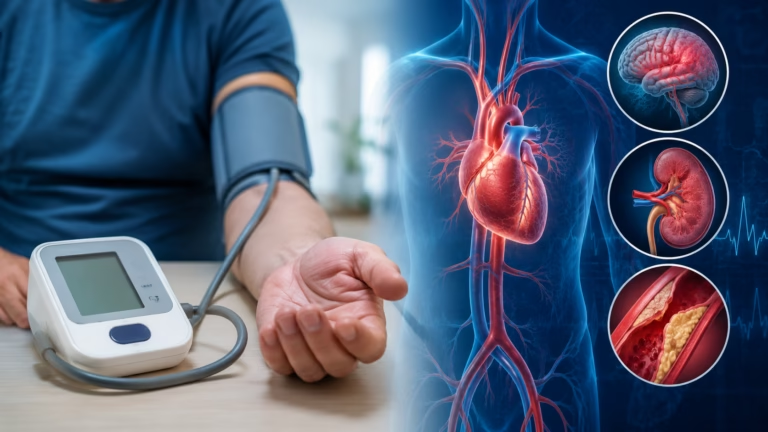
Hypertension is defined as a persistent blood pressure ≥130/80 mm Hg. Often called the “silent condition,” it may develop without symptoms while increasing the risk of:
-
Heart attack and stroke
-
Kidney disease
-
Vision impairment
Major Risk Factors
-
Family history
-
Aging
-
Obesity
-
Sedentary lifestyle
-
High sodium intake
-
Chronic stress
Because blood pressure regulation depends heavily on fluid and electrolyte balance, potassium status plays an important supporting role.
How Low Potassium Fuels High Blood Pressure
Several physiological mechanisms explain this connection:
1. Sodium Retention
Potassium helps the kidneys excrete sodium.
When potassium is low:
-
Sodium retention increases
-
Fluid volume rises
-
Blood pressure elevates
2. Vascular Tone Regulation
Potassium promotes vasodilation (relaxation of blood vessels).
Deficiency may lead to:
-
Increased vascular resistance
-
Constricted arteries
-
Elevated systemic pressure
3. RAAS Activation
Low potassium can influence the Renin–Angiotensin–Aldosterone System (RAAS):
-
Increased aldosterone release
-
Enhanced sodium retention
-
Further potassium loss
This feedback loop can intensify both electrolyte imbalance and hypertension.
Who’s at Greatest Risk?
Populations more vulnerable to hypokalemia-associated hypertension include:
-
Patients taking loop or thiazide diuretics
-
Individuals with primary hyperaldosteronism
-
Those experiencing prolonged gastrointestinal losses
-
People consuming diets low in fruits and vegetables
-
Individuals with chronic kidney or endocrine disorders
Diagnosing and Monitoring Potassium Levels
Assessment typically involves:
-
Serum potassium blood test
-
Electrocardiogram (ECG/EKG), detecting arrhythmias or T-wave changes
-
24-hour urine potassium analysis
-
Dietary and medication review
Routine monitoring is especially important for individuals on antihypertensive therapy affecting electrolyte balance.
Dietary and Lifestyle Strategies
Potassium-Rich Foods
Increasing dietary potassium can support cardiovascular regulation:
-
Bananas, oranges, melons
-
Leafy greens (spinach, Swiss chard)
-
Avocados, tomatoes
-
Beans, lentils, peas
-
Potatoes with skin
Lifestyle Measures
-
Limit sodium intake
-
Target: < 2,300 mg/day
-
< 1,500 mg/day for hypertensive individuals
-
-
Maintain proper hydration
-
Engage in regular physical activity
-
Practice stress-reduction techniques
-
Meditation, breathing exercises, yoga
-
These changes improve vascular responsiveness and metabolic balance.
Medical Management and Supplementation
When lifestyle measures are insufficient, clinicians may recommend:
-
Oral potassium supplements
-
Typically 20–100 mEq/day in divided doses
-
-
Intravenous potassium replacement
-
For severe deficiency or cardiac symptoms
-
-
Potassium-sparing diuretics
-
Spironolactone or amiloride
-
-
RAAS inhibitors
-
ACE inhibitors or ARBs
-
Supplementation must be medically supervised to prevent hyperkalemia, which can also cause dangerous arrhythmias.
Potential Complications if Untreated
Ignoring the combined effects of hypokalemia and hypertension may lead to:
-
Life-threatening cardiac arrhythmias
-
Worsening heart failure
-
Progressive kidney damage
-
Increased stroke or myocardial infarction risk
Early identification and correction are essential for preventing long-term cardiovascular deterioration.
Conclusion
Hypokalemia and hypertension are closely interconnected. Low potassium not only contributes to increased blood pressure but may also be exacerbated by common hypertension treatments.
By understanding this relationship, individuals and healthcare providers can implement targeted strategies such as:
-
Monitoring electrolyte levels
-
Adjusting medications
-
Increasing potassium intake
-
Reducing sodium consumption
Taking these steps supports cardiovascular stability, improves energy levels, and reduces long-term health risks. If you suspect potassium imbalance or uncontrolled hypertension, seeking professional evaluation is a proactive and protective choice.
Was this page helpful?
Thanks for your feedback! What could we improve?
Thank you! Your feedback helps us improve our articles.
True Impact Health articles are written by our editorial team and based on reliable sources such as public health agencies, clinical guidelines and peer-reviewed research. This article has not yet been medically reviewed. Read our editorial process.
This content is for general information and is not a substitute for professional medical advice, diagnosis or treatment.