Introduction
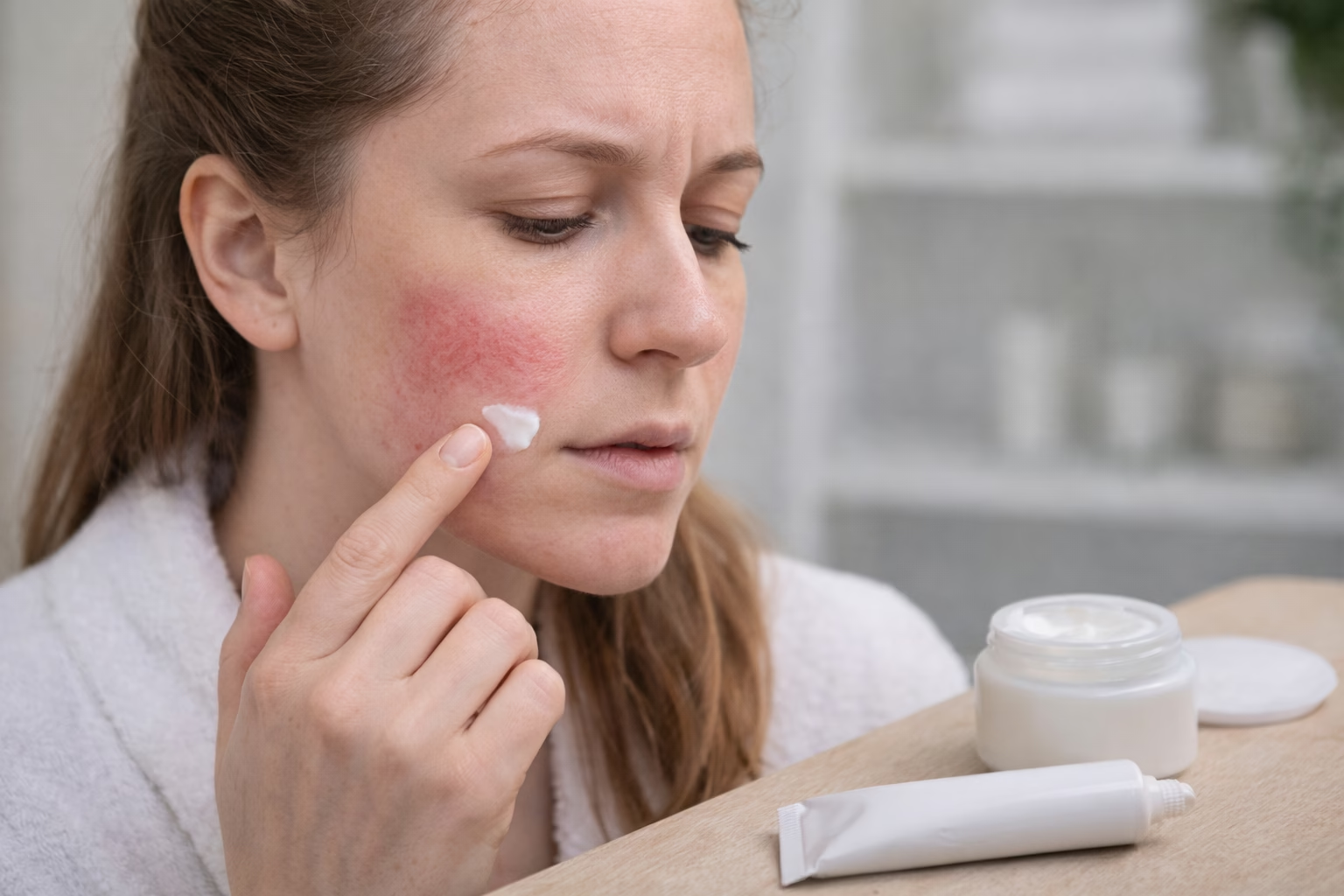
Beard burn from kissing is a common form of skin irritation that happens when coarse or rough facial hair rubs repeatedly against delicate skin. It is sometimes described as a scratchy, stinging, or hot feeling that develops after kissing, cuddling, or prolonged close facial contact. Although it is often mild, it can still be uncomfortable and may leave the skin red, dry, tender, or irritated for hours or even longer.
- Rinse irritated skin with cool water, apply a cold compress, then soothe with aloe or a fragrance free moisturizer; avoid harsh, alcohol based products.
- Coarse, dry, or short stubble causes more friction; dry, sensitive skin breaks down faster and increases burning, redness, and tenderness.
- Prevent by softening the beard with regular conditioning, beard oil or balm, trims, and brushing to distribute products evenly.
- Use gentle sulfate free cleansing two to three times a week, exfoliate one to two times weekly, and moisturize skin under the beard.
- Seek medical help if redness or swelling persists beyond 48 hours, worsening pain, spreading redness, pus, or other signs of infection.
This reaction occurs because the skin on areas such as the cheeks, chin, around the mouth, and neck is relatively sensitive. When stiff beard hairs create repeated friction, they can produce tiny surface level abrasions in the skin. These micro abrasions may not always be visible as cuts, but they can still trigger inflammation, discomfort, and increased sensitivity.
The good news is that beard burn is usually manageable. With prompt soothing care, better beard maintenance, and a few preventive habits, it is possible to reduce irritation significantly and make close contact much more comfortable. This article explains in detail what beard burn is, why it happens, how to treat it immediately, how to build a beard friendly skincare routine, how to prevent it in the future, and when to seek medical advice.
Understanding Beard Burn
What Is Beard Burn, Really?
Beard burn is a friction related skin irritation caused by contact between facial hair and another person’s skin, or sometimes even the beard wearer’s own skin. It most commonly occurs during kissing, prolonged cuddling, or repeated cheek to cheek or face to face contact.
The reason it feels so uncomfortable is that beard hairs, especially short stubble or coarse wiry hair, can act almost like tiny brushes or rough fibers scraping across soft skin. Repeated rubbing weakens the outer protective barrier of the skin. Once that barrier is disrupted, the area may become inflamed and more vulnerable to dryness, burning, itching, and redness.
In some cases, the irritation is very mild and fades quickly. In other cases, especially after longer or more forceful contact, the skin may feel raw, tender, and sensitive to touch. The affected area may also react more strongly to skincare products, sweat, heat, or sun exposure afterward because the skin barrier has already been irritated.
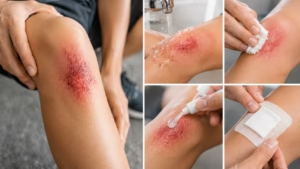


Common Causes
Coarse, Wiry Beard Hair
One of the main causes of beard burn is the natural texture of the beard. Some facial hair is softer and finer, while some is naturally thicker, curlier, or more wiry. Coarse hair creates more friction when it brushes against the skin, especially if the beard is short and stiff.
Short stubble is often more irritating than a slightly longer, softer beard because the short hairs can feel sharp. Instead of bending gently, they may poke or scrape the skin more directly.
Dry or Brittle Facial Hair
Dry beard hair tends to be rougher and less flexible. When facial hair lacks moisture, it becomes stiff, brittle, and more abrasive. This increases the likelihood that contact with skin will cause friction and discomfort.
Dryness may happen because of weather conditions, harsh cleansers, over washing, lack of conditioning, or failure to use beard oils or balms regularly.
Unmoisturized Skin Lacking Natural Oils
The condition of the skin also matters. Skin that is already dry, sensitive, or lacking moisture is more likely to become irritated. Healthy skin has a protective barrier made up of water, natural oils, and skin cells. When that barrier is weak, friction affects it more easily.
This is why some people develop beard burn very quickly, while others tolerate the same amount of contact more easily. Sensitive or dry skin reacts more strongly to rubbing.
Aggressive Rubbing or Poorly Distributed Beard Products
Beard burn becomes more likely when kissing is especially vigorous or prolonged, because repeated friction gives the skin less time to recover. In addition, applying beard oil or balm unevenly may leave some areas of the beard softer while others remain rough and dry. If the coarser parts of the beard keep making contact, irritation can still occur.
Immediate Treatment Steps
Soothe Irritation Right Away
Prompt treatment is important because it helps calm inflammation, reduces discomfort, and supports the skin barrier before irritation becomes worse.
Rinse with Cool Water
The first step is to gently rinse the irritated area with cool or lukewarm water. This helps remove any sweat, debris, saliva residue, or product residue that might further irritate the skin.
Cool water is especially useful because it has a calming effect on inflamed skin. It may reduce the sensation of heat or stinging and help the skin feel more comfortable. Hot water should be avoided because it can strip the skin of moisture and worsen redness.
When rinsing, it is best not to scrub. Instead, let the water flow gently over the skin and pat dry with a soft towel.
Apply a Cold Compress
A cold compress can help reduce redness, mild swelling, and the burning sensation associated with beard burn. Wrapping ice in a thin cloth or using a cool damp washcloth prevents direct ice contact, which could otherwise irritate the skin further.
Applying the compress for about 5 to 10 minutes at a time can help constrict superficial blood vessels and reduce inflammation. This is especially useful if the area feels hot, puffy, or very tender after friction.
The purpose of the compress is not only comfort, but also to limit the early inflammatory response that makes the area look and feel worse.
Use a Soothing Gel or Balm
Once the skin is clean and cooled, a soothing product can help restore moisture and reduce irritation.
Aloe Vera Gel
Aloe vera is commonly used for irritated skin because it has soothing and anti inflammatory properties. It can help reduce the sensation of burning and may support the skin’s healing process. Pure or minimally processed aloe vera gel is often best, since heavily fragranced formulas may sting.
Fragrance Free Moisturizer or Cortisone Free Aftershave Balm
A gentle moisturizer helps restore the skin barrier by replacing lost moisture. This is important because friction often leaves the skin both inflamed and dry. A fragrance free formula is ideal because fragrance can trigger further irritation on already damaged skin.
A soothing aftershave balm without harsh ingredients may also help, especially if it is designed to calm post shave sensitivity. However, it should be alcohol free and non stinging.
Avoid Harsh Products
After beard burn, the skin is more vulnerable than usual. Harsh skincare products can worsen the situation. Alcohol based toners, strong exfoliants, heavily fragranced creams, or astringents may increase dryness, stinging, and redness.
For at least 24 hours, and sometimes longer if the irritation is more pronounced, it is best to keep the routine simple and gentle. The focus should be on calming, hydrating, and protecting the skin rather than treating it aggressively.
Building a Beard Friendly Skincare Routine
The Cleanse, Moisturize, Protect Trio
A consistent beard and skin care routine reduces the roughness that contributes to beard burn and helps keep both the beard wearer’s skin and the partner’s skin more comfortable.
Gentle Cleansing
The beard should be cleaned regularly, but not harshly. A mild sulfate free beard shampoo or cleanser helps remove dirt, oil buildup, dead skin, and residue without stripping the beard and skin of essential moisture.
Washing about 2 to 3 times per week is often enough for many people, although this may vary depending on skin type, activity level, and climate. Over washing can dry out the beard and underlying skin, making the hair rougher rather than softer.
Thorough rinsing is also important. If cleanser residue remains in the beard, it may dry out both the hair and skin, increasing irritation.
Daily Conditioning
Conditioning is essential because it softens beard hair and reduces the scratchy texture that contributes to beard burn.
Beard Oil
Beard oil helps moisturize and soften facial hair while also conditioning the skin underneath. Oils such as jojoba, argan, and sweet almond oil are commonly used because they help smooth the hair shaft and reduce brittleness.
When beard hair is softer and more flexible, it bends more easily during contact instead of scraping harshly against the skin.
Beard Balm
Beard balm provides similar conditioning benefits but often has a thicker texture and light hold. This can help control unruly hairs and keep the beard more even and manageable. For coarser beards, balm may be especially helpful because it adds softness while also improving shape.
Exfoliation One to Two Times a Week
Gentle exfoliation removes dead skin cells and can reduce flakes, rough texture, and the buildup that makes both beard and skin less healthy. It may also help prevent ingrown hairs, which can make the beard area feel uneven or irritated.
However, exfoliation should not be excessive. Over exfoliating may damage the skin barrier and create more sensitivity. A gentle scrub used with light circular motions once or twice a week is usually enough.
The purpose of exfoliation is not to scrub the skin harshly, but to support smoother texture and healthier turnover of skin cells.
Moisturizing Under the Beard
Many people focus on the beard hair itself and forget the skin underneath. This is a mistake because unhealthy, dry skin under the beard can affect both comfort and beard texture.
Applying a lightweight, fragrance free moisturizer directly to the skin beneath the beard helps maintain hydration and supports the skin barrier. Healthy skin underneath helps produce a healthier, softer beard overall.
Preventive Measures for Future Kisses
Keep That Beard Soft and Kissable
Prevention is often more effective than treatment. Once beard burn has happened, improving beard softness and reducing friction can make future close contact more comfortable.
Regular Trims
Trimming split ends and stray hairs every 2 to 4 weeks helps maintain a more even beard texture. Split ends and uneven rough hairs can feel especially scratchy, so removing them reduces irritation.
A well maintained beard is often softer because the roughest damaged ends are kept under control. In addition, shaping the beard prevents certain sharp or protruding areas from rubbing more harshly than others.
Warm Water Rinse or Beard Steam
Before applying beard products, rinsing with warm water or using a beard steamer can help soften the hair by opening the outer layer of the hair shaft. This makes the beard more receptive to oils and balms.
When the beard absorbs conditioning products more effectively, the hairs become smoother, less brittle, and less likely to act like stiff bristles during contact.
Consistent Oil or Balm Application
Products should be applied evenly throughout the beard, including the cheeks, jawline, chin, and neck. If only the surface hairs are treated while deeper or lower sections stay dry, the beard may still feel rough in certain areas.
Consistency matters. A beard that is conditioned only occasionally may still alternate between softness and dryness. Regular application helps maintain steady softness.
Brush and Comb
Using a beard brush, especially a boar bristle brush, helps distribute natural oils and beard products throughout the hair. It also smooths tangles and trains the beard to lie more evenly.
When beard hairs lie more uniformly and feel better conditioned, contact with skin becomes less abrasive.
Adjust Kissing Technique
The way contact happens also matters. Gentler angles, lighter pressure, and more awareness of how the beard touches the skin can reduce friction significantly.
For example, slightly adjusting head position or using a hand to guide the angle of contact may help avoid prolonged rubbing of the roughest part of the beard against sensitive skin. This does not mean avoiding affection, but rather being mindful of comfort.
Lifestyle and Habit Adjustments
Holistic Tips for Healthier Skin and Hair
The condition of the beard and skin is influenced not only by external care, but also by overall health habits.
Hydration
Adequate water intake supports skin hydration and elasticity. When the body is well hydrated, the skin is generally better able to maintain its barrier function. Hair also benefits indirectly because healthier skin supports healthier follicles and oil balance.
Drinking enough water does not replace moisturizing, but it contributes to healthier skin from within.
Balanced Diet
Nutrients play a significant role in skin and hair quality. Omega 3 fatty acids, found in foods such as salmon and walnuts, help support skin barrier health and reduce dryness. Vitamin E, found in foods such as avocado and nuts, supports skin protection and repair.
A balanced diet rich in healthy fats, vitamins, minerals, and protein can improve overall hair quality, making beard hair stronger and potentially less brittle.
Good Sleep
During sleep, the body repairs tissues and supports skin recovery. Poor sleep can affect skin barrier function, inflammation levels, and general healing. Getting 7 to 9 hours of good sleep regularly can therefore support healthier skin and reduce irritation related problems.
Stress Management
High stress can worsen many skin conditions by increasing inflammation and disrupting normal skin balance. Stress may also affect grooming habits, hydration, and sleep quality, all of which can indirectly worsen beard and skin health.
Activities such as walking, yoga, meditation, or other stress management practices may help support healthier skin over time.
When to Seek Professional Help
Signs It Is More Than Just Beard Burn
Most beard burn improves with simple care. However, there are times when professional evaluation is appropriate.
Persistent Redness or Swelling Lasting More Than 48 Hours
If the irritation does not begin to improve within a couple of days, the skin may be reacting more strongly than expected, or another issue may be present, such as contact dermatitis or a more significant skin barrier injury.
Signs of Infection
Increased pain, warmth, pus, or redness that spreads outward can suggest infection. This may happen if the irritated skin becomes broken and bacteria enter the area. Infection requires medical attention and should not be managed with home care alone.
Severe Itchiness Interfering With Daily Life
Intense itching may suggest that the problem is not only mechanical friction but also an allergic or inflammatory skin reaction. A dermatologist can assess whether medicated creams or other targeted treatment is needed.
Conclusion
Beard burn from kissing is a common but manageable form of friction related skin irritation. It happens when coarse, dry, or stiff facial hair rubs against delicate skin and creates tiny abrasions that lead to redness, burning, tenderness, and discomfort. Although it may seem minor, it can be frustrating if it happens repeatedly.
The most effective approach involves both immediate treatment and long term prevention. Cooling the skin, using gentle soothing products, and avoiding harsh ingredients can calm irritation after it occurs. At the same time, proper beard care, including cleansing, conditioning, trimming, moisturizing, and brushing, can reduce roughness and make future contact much gentler.
Lifestyle habits such as staying hydrated, eating well, managing stress, and getting enough sleep also support healthier skin and hair. When irritation persists, worsens, or shows signs of infection, professional medical advice is important.
With thoughtful care and consistent grooming, beard burn does not have to interfere with closeness. A softer beard, healthier skin, and more mindful habits can make affectionate moments much more comfortable and enjoyable.