
Introduction
High blood pressure, or hypertension, affects nearly 1.3 billion people worldwide, and many don’t even know they have it. Dubbed the “silent killer,” hypertension quietly damages vital organs and blood vessels long before any warning signs appear. In this post, we’ll explore why hypertension earns this ominous nickname, what risks it poses, and how you can protect yourself and your loved ones through early detection and healthy lifestyle choices.
What Is Hypertension?
Hypertension occurs when the force of blood pushing against artery walls remains consistently too high. Doctors classify blood pressure readings in two numbers:
• Systolic pressure (the top number) measures force during heartbeats
• Diastolic pressure (the bottom number) measures force between beats
A normal reading is around 120/80 mm Hg. You have hypertension when readings regularly exceed 130/80 mm Hg.

Why Hypertension Is Called the “Silent Killer”
The term “silent killer” highlights how dangerously hidden hypertension can be:
• Asymptomatic Onset: Up to half of adults with high blood pressure have no obvious symptoms.
• Invisible Damage: Over time, excess pressure weakens and scars artery walls, setting the stage for serious health events.
• Late Discovery: Many people learn of their condition only after experiencing a stroke, heart attack, or kidney failure.
Health Risks & Complications
Unchecked hypertension can damage nearly every organ system. Key complications include:
• Heart Disease: Increased workload leads to enlarged heart muscle and can trigger heart attacks.
• Stroke: Weak or narrowed arteries in the brain raise the risk of blockages or hemorrhage.
• Kidney Damage: High pressure harms tiny kidney vessels, reducing filtration and potentially causing renal failure.
• Vision Loss: Damaged retinal vessels can lead to bleeding, blurred vision, or blindness.
• Peripheral Artery Disease: Narrowed arteries in limbs cause pain and mobility issues.
Common Causes & Risk Factors
Hypertension develops from a mix of genetic and lifestyle contributors. Important risk factors:
• Family History: Genetics can predispose you to high blood pressure.
• Age: Arteries stiffen over time, increasing pressure.
• Diet: High salt intake, excessive alcohol, and low potassium worsen hypertension.
• Obesity & Sedentary Lifestyle: Carrying extra weight and lack of exercise elevate risk.
• Stress & Poor Sleep: Chronic stress and sleep disorders like sleep apnea can spike blood pressure.
• Other Health Conditions: Diabetes, high cholesterol, and kidney disease often coexist with hypertension.
Recognizing Hypertension: Signs versus Symptoms
Because hypertension is usually symptom-free, it’s crucial to monitor regularly. Rare warning signs can include:
• Headaches (especially in the morning)
• Dizziness or blurred vision
• Nosebleeds
• Shortness of breath
However, relying on symptoms alone is risky, many people remain asymptomatic until severe damage occurs.
The Critical Role of Regular Screening
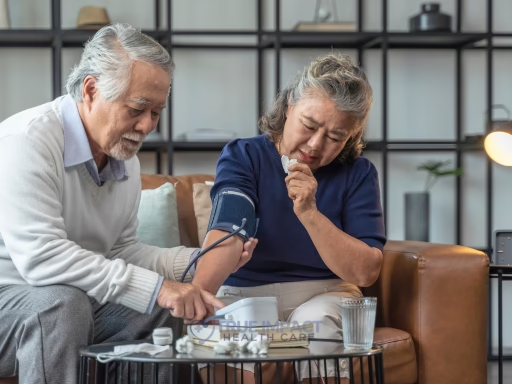
Early detection through routine checks saves lives. Tips for effective monitoring:
• Visit your doctor for an annual physical.
• Invest in an at-home blood pressure cuff for monthly checks.
• Record readings in a journal or mobile app to track trends.
• Share data with your healthcare provider for timely interventions.
Prevention & Management Strategies
The good news? Hypertension can often be prevented or controlled with lifestyle adjustments and, if needed, medication. Key strategies:
• Adopt a Heart-Healthy Diet
– DASH diet (Dietary Approaches to Stop Hypertension) emphasizes fruits, vegetables, whole grains, and lean proteins.
– Limit sodium to under 1,500 mg per day.
• Get Moving
– Aim for 150 minutes of moderate aerobic exercise per week (walking, cycling, swimming).
– Incorporate strength training at least twice a week.
• Maintain a Healthy Weight
– Losing even 5–10% of body weight can meaningfully lower blood pressure.
• Reduce Stress
– Practice mindfulness, yoga, or deep-breathing exercises.
– Prioritize 7–9 hours of quality sleep nightly.
• Limit Alcohol & Quit Tobacco
– Keep alcohol consumption within recommended limits (up to one drink per day for women, two for men).
– Seek support programs to quit smoking.
• Medication Adherence
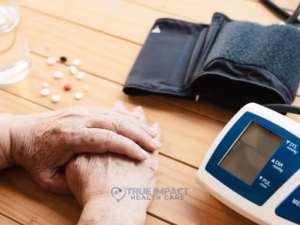
– If prescribed antihypertensive drugs, take them exactly as directed.
– Report any side effects to your doctor and never stop meds without consultation.
Living Well with Hypertension
Managing high blood pressure is a lifelong commitment but also an opportunity to embrace healthier habits. Consider these tips:
• Build a support network of friends, family, or a hypertension support group.
• Set SMART goals (Specific, Measurable, Achievable, Relevant, Time-bound) for diet and exercise.
• Use tech tools, apps, wearable trackers, and reminders, to stay on track.
• Celebrate milestones, like improved readings or fitness achievements, to maintain motivation.
Conclusion
Hypertension’s “silent” nature makes it one of the most insidious health threats today, but also one we can outsmart. Regular screening, informed lifestyle choices, and proper medical care transform hypertension from a hidden danger into a manageable condition. By understanding the risks and taking proactive steps, you can protect your heart, brain, kidneys, and vision, and enjoy a healthier, longer life. Don’t wait for symptoms: check your blood pressure today and become an active partner in your own health.






One Response