Medical emergencies can arise unexpectedly, often transforming an ordinary moment into a life-threatening situation. In such circumstances, the ability to recognize early warning signs and respond appropriately is critical. Timely intervention not only increases the chances of survival but also significantly reduces the risk of long-term complications and disability.
- Recognize cardiovascular and vascular emergencies: chest pressure, radiating pain, sudden severe chest or back tearing pain; seek immediate emergency care.
- Use FAST for stroke: facial droop, arm weakness, speech difficulty, and act quickly by calling emergency services.
- Respond to breathing or allergic crises: severe wheeze, inability to speak, cyanosis, throat swelling; give epinephrine if available and call 911.
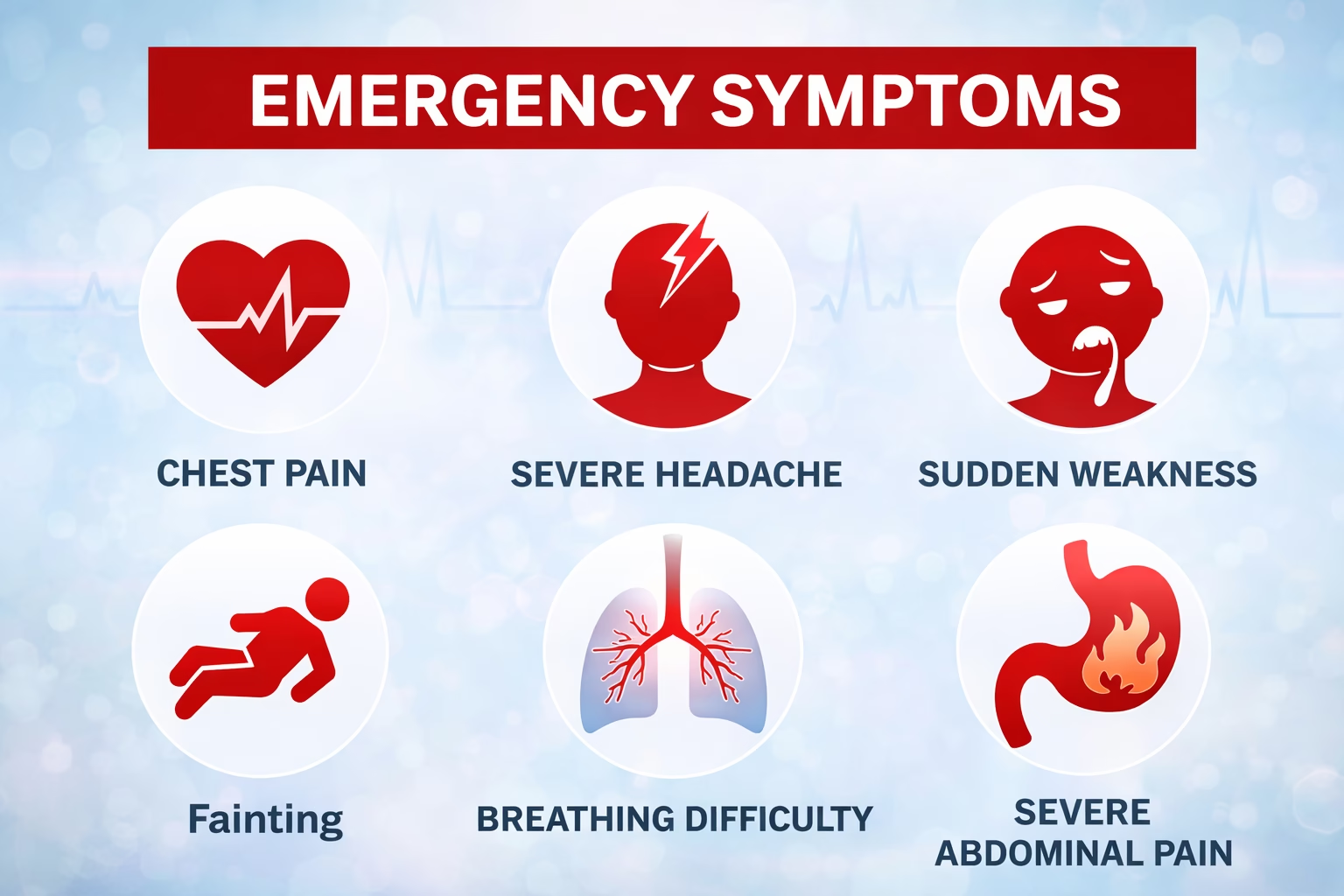
Emergency symptoms are typically indicators of underlying acute conditions affecting vital systems such as the heart, brain, lungs, or major organs. Therefore, understanding these symptoms equips individuals with the knowledge required to act decisively, whether by calling emergency services or seeking immediate medical care.
This article provides a comprehensive overview of key emergency symptoms across different body systems, explains why rapid recognition is essential, and outlines practical steps to take in urgent situations.
Why Quick Recognition Matters
The importance of identifying emergency symptoms promptly cannot be overstated, as several clinical outcomes depend directly on the speed of response.
First, many medical emergencies are time-sensitive conditions. For example, in the case of a heart attack or stroke, delays in treatment can lead to irreversible tissue damage. The concept often referred to as “time is tissue” reflects the fact that prolonged oxygen deprivation results in permanent injury to organs such as the brain and heart.
Second, early recognition leads to better clinical outcomes. When medical intervention occurs promptly, complications such as organ failure, neurological impairment, or chronic disability can be minimized. This improves both survival rates and quality of life after recovery.
Third, having prior knowledge of emergency symptoms provides psychological preparedness. In high-stress situations, individuals who understand warning signs are more likely to act calmly and efficiently, rather than hesitating or misinterpreting symptoms.
Cardiovascular Emergencies
Conditions affecting the heart and blood vessels are among the most critical medical emergencies due to their direct impact on circulation and oxygen delivery.
Heart Attack Warning Signs
A heart attack, medically known as myocardial infarction, occurs when blood flow to a part of the heart muscle is blocked. This leads to damage or death of heart tissue if not treated immediately.
One of the most common symptoms is chest discomfort, often described as pressure, tightness, or a squeezing sensation. This discomfort may persist for several minutes or come and go. It is important to note that not all heart attacks present with sharp pain; some may feel like heaviness or fullness in the chest.
Another key feature is radiating pain, where discomfort spreads beyond the chest to areas such as the arms, back, neck, jaw, or even the upper abdomen. This occurs because the heart shares nerve pathways with these regions.
Additional associated symptoms include shortness of breath, cold sweating, nausea, and lightheadedness. These signs reflect the body’s response to reduced cardiac function and decreased oxygen supply.
Immediate medical attention is essential because early treatment can restore blood flow and limit heart damage.
Aortic Dissection and Other Vascular Crises
An aortic dissection is a severe condition involving a tear in the inner layer of the aorta, the body’s main artery. This allows blood to flow between the layers of the vessel wall, potentially leading to rupture.
The hallmark symptom is sudden, severe chest or upper back pain, often described as tearing or ripping. This type of pain is typically abrupt and extremely intense.
Patients may also experience a rapid pulse, fainting, or a sudden drop in blood pressure, indicating compromised circulation.
This condition is life-threatening and requires immediate emergency response. Delays in treatment can result in fatal internal bleeding.
Neurological Emergencies
The brain is highly sensitive to oxygen deprivation, and even short delays in treatment can lead to permanent damage.
Stroke Indicators (FAST)
A stroke occurs when blood flow to part of the brain is interrupted, either due to a blockage or bleeding.
The FAST acronym is widely used to identify stroke symptoms:
- Face drooping: One side of the face may sag, especially when attempting to smile. This reflects muscle weakness caused by impaired brain function.
- Arm weakness: One arm may drift downward when both arms are raised, indicating loss of motor control.
- Speech difficulty: Speech may become slurred, incoherent, or completely absent due to disruption in language centers.
- Time: Immediate action is critical. Calling emergency services without delay allows for interventions that can restore blood flow and reduce brain injury.
Early treatment can significantly improve recovery outcomes and reduce long-term disability.
Seizures and Altered Mental Status
Seizures are characterized by uncontrolled electrical activity in the brain, leading to involuntary movements, loss of awareness, or behavioral changes.
During a seizure, individuals may exhibit convulsions, which involve rhythmic shaking or jerking of the body. Some seizures may not involve visible movements but can still impair consciousness.
Altered mental status includes confusion, disorientation, or inability to respond appropriately. These symptoms may indicate serious conditions such as brain injury, infection, or metabolic imbalance.
Loss of consciousness, even for a brief period, should always be taken seriously. Protecting the individual from injury and seeking immediate medical evaluation is essential.
Respiratory Emergencies
Breathing is fundamental to life, and any disruption can rapidly become critical.
Acute Asthma Exacerbation
An asthma attack involves narrowing of the airways, making it difficult for air to move in and out of the lungs.
Severe symptoms include persistent wheezing or coughing that does not improve with medication, indicating that standard treatments are ineffective.
Individuals may also experience difficulty speaking in full sentences, as breathing becomes labored and insufficient for normal speech.
A particularly serious sign is cyanosis, where the lips or fingernails turn bluish due to lack of oxygen. This requires immediate emergency care.
Anaphylaxis (Severe Allergic Reaction)
Anaphylaxis is a rapid and severe allergic reaction that can affect multiple organ systems.
One of the earliest signs is swelling of the face, lips, tongue, or throat, which can obstruct the airway.
Breathing difficulties, including wheezing or a high-pitched sound (stridor), indicate airway compromise.
Other symptoms such as hives, dizziness, or fainting reflect systemic involvement and low blood pressure.
Immediate administration of epinephrine, if available, is critical, followed by urgent medical care.
Abdominal and Gastrointestinal Emergencies
Abdominal symptoms can sometimes signal serious underlying conditions that require urgent evaluation.
Acute Abdomen and Appendicitis
Severe abdominal pain that becomes localized, especially shifting from the central abdomen to the lower right side, may indicate appendicitis.
This is often accompanied by fever, nausea, vomiting, and inability to pass gas, suggesting inflammation and possible obstruction.
If untreated, appendicitis can lead to rupture, causing infection to spread within the abdomen. Prompt medical evaluation is therefore essential.
Gastrointestinal Bleeding
Bleeding within the digestive tract can be life-threatening.
Vomiting blood may appear bright red or resemble coffee grounds, indicating partially digested blood.
Black, tarry stools (melena) suggest bleeding from the upper gastrointestinal tract, while fresh blood in stool may indicate lower tract bleeding.
These symptoms reflect significant blood loss and require immediate emergency care.
Trauma and Bleeding
Injuries can range from minor to life-threatening, and their severity is not always immediately apparent.
Uncontrolled Bleeding
Severe bleeding may present as spurting blood or continuous flow that soaks through dressings quickly.
This can lead to rapid blood loss and shock if not controlled.
Applying direct pressure to the wound helps slow bleeding, but emergency medical assistance is necessary to address the underlying injury.
Head and Spinal Injuries
Head injuries can result in loss of consciousness, confusion, or persistent headache, which may indicate brain trauma.
Spinal injuries may present with numbness, tingling, or inability to move limbs, suggesting nerve damage.
It is crucial to keep the individual still to prevent further injury and seek immediate medical care.
Other Critical Signs
Certain symptoms do not fit neatly into one category but still represent serious health risks.
Severe dehydration may cause extreme thirst, dry mouth, dizziness, and reduced urine output, indicating significant fluid imbalance.
A high fever in infants under three months is particularly concerning because their immune systems are not fully developed.
Poisoning or overdose may present with confusion, vomiting, or seizures, reflecting toxic effects on the body.
Chest pain during pregnancy may signal conditions such as pulmonary embolism or preeclampsia, both of which require urgent evaluation.
When to Call 911 vs. Urgent Care
Understanding the appropriate level of care is essential for effective response.
Emergency services should be contacted immediately if the individual is unresponsive, unable to breathe, or experiencing life-threatening bleeding. These situations require rapid medical intervention that cannot be provided outside a hospital setting.
Urgent care or emergency departments may be appropriate for serious but stable conditions, such as deep cuts requiring stitches or moderate symptoms that are not immediately life-threatening.
When uncertainty exists, it is always safer to seek emergency assistance rather than delay care.
Preparing for an Emergency
Preparation enhances the ability to respond effectively.
Maintaining a well-stocked first-aid kit ensures that basic supplies are readily available.
Learning CPR and first-aid skills equips individuals with practical tools to assist others during emergencies.
Keeping a list of emergency contacts and medical information, including allergies and medications, allows healthcare providers to act quickly and accurately.
Conclusion
Medical emergencies often occur without warning, but informed and timely action can significantly alter outcomes. Recognizing key symptoms across cardiovascular, neurological, respiratory, and other systems enables individuals to respond with confidence and urgency.
Early intervention saves lives, reduces complications, and improves recovery. By understanding these warning signs and preparing in advance, individuals can play a crucial role in emergency situations.
Awareness, preparedness, and decisive action remain the most powerful tools in protecting health during critical moments.
Medical Disclaimer
This article is for informational purposes only and does not replace professional medical advice. In any emergency situation, contact your local emergency services immediately or seek care from a qualified healthcare provider.