Introduction
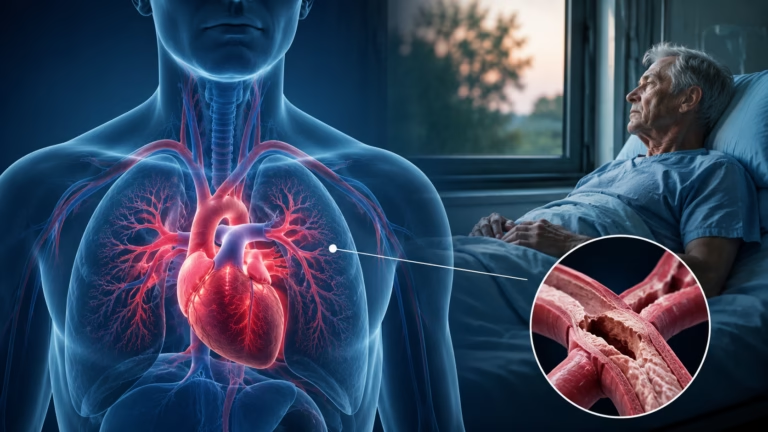
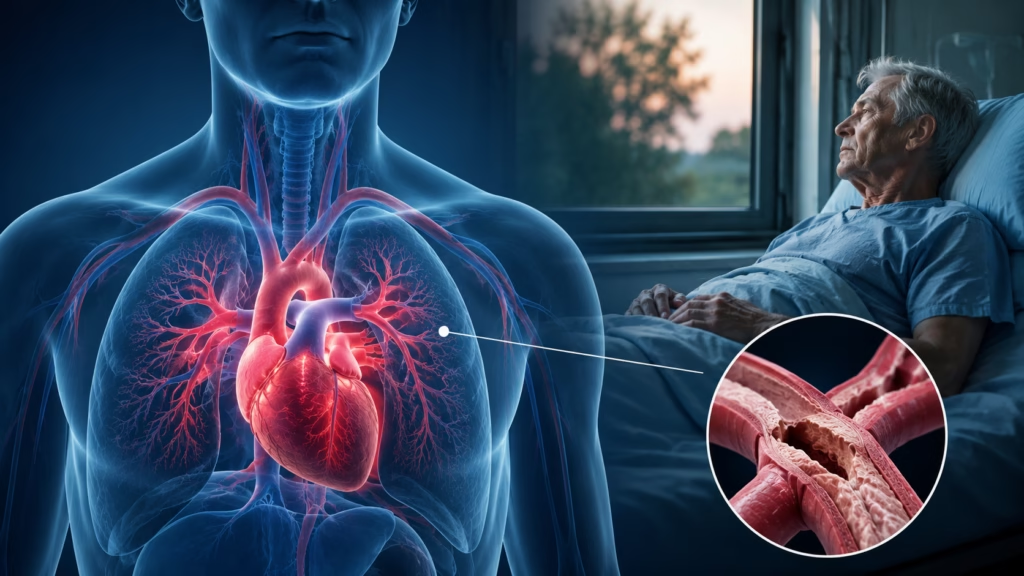
Stress has become a pervasive aspect of modern life, influenced by professional demands, social pressures, and continuous exposure to information. Chronic stress is not merely a psychological concern. It has measurable physiological effects, including elevated cortisol levels, impaired sleep, reduced immune function, and increased risk of cardiovascular disease.
- Yoga integrates asana, pranayama, and meditation to shift the nervous system toward rest and calm.
- Breathwork like diaphragmatic and alternate nostril breathing lowers arousal and quickly calms body and mind.
- Gentle mindful movement releases tension in hips, shoulders, and spine while improving flexibility and preventing overstimulation.
- Meditation and Savasana reduce mental distraction, consolidate practice benefits, and reinforce a restorative parasympathetic state.
- Prioritize consistency over intensity: short daily sessions, supportive environment, and simple routines build lasting stress resilience.
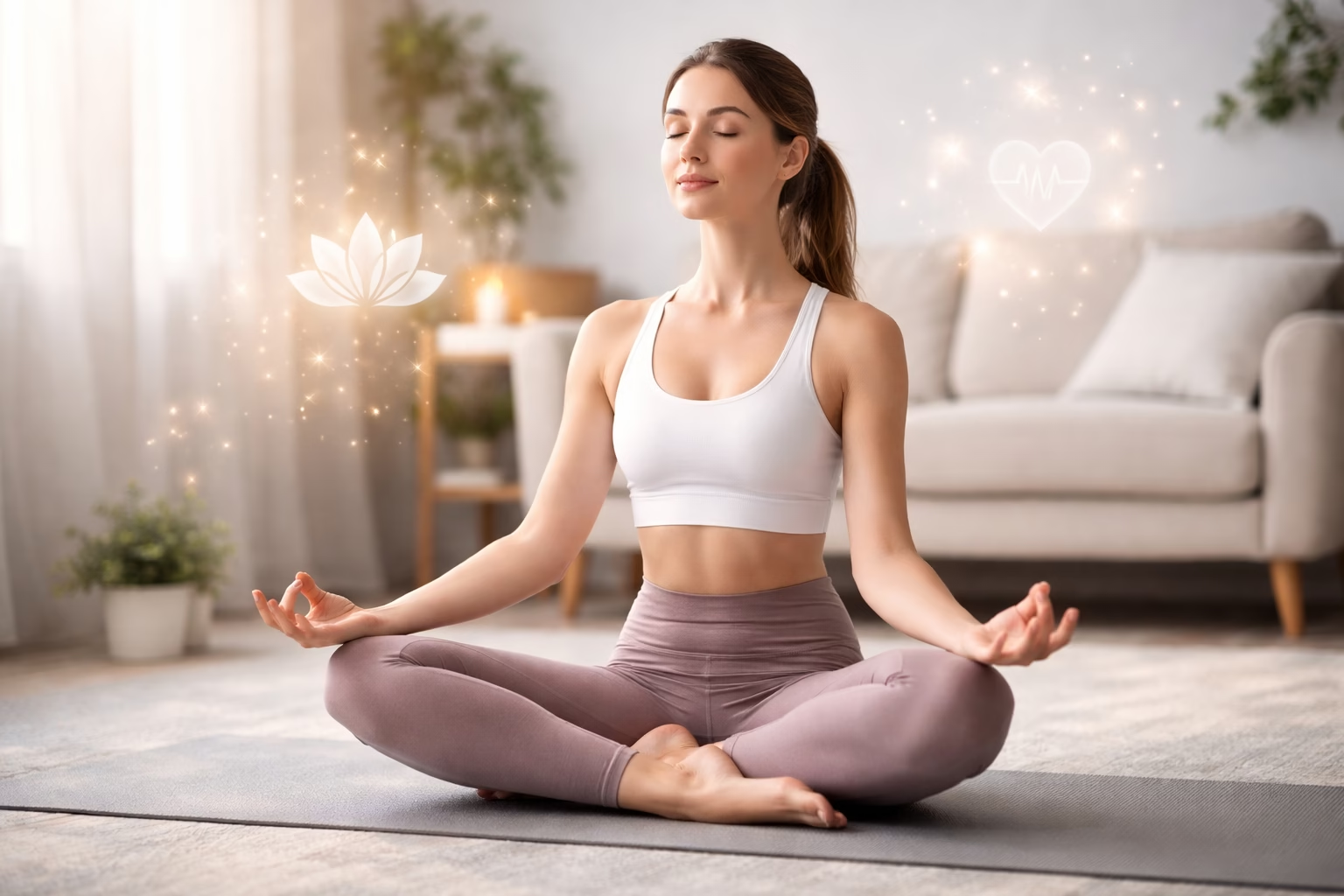
Yoga offers a structured and evidence based approach to stress management by integrating physical movement, controlled breathing, and mental focus. Unlike isolated relaxation techniques, yoga addresses both the body and the mind simultaneously. This article provides a comprehensive explanation of how yoga reduces stress, the benefits it offers, the essential components of an effective practice, and practical steps for building a sustainable routine.
Understanding the Yoga–Stress Connection
The Mind–Body Link
Yoga operates through the integration of three key elements: physical postures (asanas), breath regulation (pranayama), and mental focus or meditation (dhyana). These components work together to influence the nervous system.
Under stress, the body activates the sympathetic nervous system, often referred to as the “fight or flight” response. This state increases heart rate, blood pressure, and muscle tension. While useful in short term danger, prolonged activation can be harmful.
Yoga helps shift the body into the parasympathetic nervous system, known as the “rest and digest” state. This transition leads to slower heart rate, reduced muscle tension, improved digestion, and a sense of calm. By practicing yoga regularly, individuals train their bodies to return to this relaxed state more efficiently.
Science Based Effects
Scientific research supports the effectiveness of yoga in stress reduction.
Related Posts:


- Reduction in cortisol: Regular yoga practice has been shown to lower levels of cortisol, the primary stress hormone
- Increase in GABA levels: Gamma aminobutyric acid is a neurotransmitter associated with relaxation and reduced anxiety. Yoga has been linked to increased GABA activity
- Improved sleep quality: Reduced physiological arousal allows for deeper and more restorative sleep
- Enhanced emotional regulation: Practitioners often report improved mood stability and reduced anxiety symptoms
These findings indicate that yoga produces measurable changes in both brain chemistry and physiological stress responses.
Key Benefits of Yoga for Stress Relief
Mental Clarity
Stress often leads to excessive mental activity, including repetitive thoughts and difficulty concentrating. Yoga encourages present moment awareness, which reduces mental clutter and enhances focus. Over time, this improves cognitive efficiency and decision making.
Emotional Balance
Through increased self awareness, yoga allows individuals to observe their emotional responses without immediate reaction. This creates a buffer between stimulus and response, improving resilience and emotional stability.
Physical Relaxation
Stress frequently manifests physically as muscle tension, particularly in the neck, shoulders, and lower back. Yoga postures gently stretch and release these areas, improving circulation and reducing discomfort.
Better Sleep
By calming the nervous system and reducing mental overactivity, yoga prepares the body for sleep. Individuals who practice yoga regularly often experience improved sleep onset and deeper sleep cycles.
Core Components of a Stress Reducing Yoga Practice
Breathwork (Pranayama)
Breathing techniques are central to stress reduction.
Diaphragmatic breathing, also known as deep belly breathing, involves slow inhalation that expands the abdomen rather than the chest. This signals the body to relax and reduces heart rate.
Alternate nostril breathing involves inhaling through one nostril while closing the other, then alternating. This technique balances the nervous system and enhances focus.
These practices are effective because breathing is directly linked to the autonomic nervous system. By controlling breath, individuals can influence their stress response.
Mindful Movement (Asana)
Gentle physical movements help release stored tension in the body.
Stress commonly accumulates in areas such as the hips, shoulders, and spine. Yoga poses target these regions, improving flexibility and reducing stiffness. Unlike high intensity exercise, these movements are slow and controlled, which prevents overstimulation and promotes relaxation.
Meditation and Relaxation (Dhyana and Savasana)
Meditation and final relaxation are essential for consolidating the benefits of yoga.
During meditation, attention is directed toward the breath or a specific focus point, which reduces mental distractions. Savasana, or corpse pose, allows the body to integrate the physical and mental effects of the session. This stage promotes deep relaxation and reinforces the shift toward parasympathetic dominance.
Top 5 Stress Relieving Yoga Poses
Child’s Pose (Balasana)
This pose involves kneeling and folding the body forward while resting the torso on the thighs.
It gently stretches the lower back and hips while placing the body in a position associated with safety and rest. The pressure on the abdomen and the downward orientation of the head promote a calming effect on the nervous system.
Cat–Cow Stretch (Marjaryasana–Bitilasana)
Performed on all fours, this movement alternates between arching and rounding the spine.
This dynamic motion improves spinal flexibility, reduces stiffness, and releases tension in the neck and shoulders. The coordination of movement with breath enhances mind body awareness.
Legs Up the Wall (Viparita Karani)
In this pose, the individual lies on their back with legs extended vertically against a wall.
This inversion improves venous return, reduces swelling in the lower limbs, and promotes relaxation. It is particularly effective after long periods of standing or sitting.
Standing Forward Fold (Uttanasana)
This pose involves bending forward from the hips while standing.
It stretches the hamstrings and spine while allowing the head to hang freely. This position encourages blood flow toward the brain and has a soothing effect on the nervous system.
Corpse Pose (Savasana)
This final relaxation pose involves lying flat with the body completely at rest.
Savasana is critical because it allows the body to absorb the benefits of the practice. Conscious relaxation of each muscle group reduces residual tension and reinforces a state of calm.
Designing Your Own Stress Reduction Routine
Choosing the Right Time
Morning sessions can activate the body gently and set a calm tone for the day. Evening sessions are particularly effective for releasing accumulated stress and preparing for sleep.
Creating an Appropriate Environment
A quiet and comfortable space enhances the effectiveness of yoga. Reducing external distractions, dimming lights, and maintaining a comfortable temperature contribute to relaxation.
Structuring the Session
A balanced session may include:
- 5 minutes of breathing exercises to calm the mind
- 20 minutes of gentle poses to release physical tension
- 5 to 10 minutes of meditation or Savasana to consolidate relaxation
This structure ensures that both physical and mental aspects of stress are addressed.
Sample Routine Explanation
A short routine may begin with Child’s Pose to establish calm, followed by Cat–Cow movements to mobilize the spine, and conclude with Legs Up the Wall and Savasana to promote deep relaxation. Longer routines may incorporate additional poses and extended meditation.
Tips for Enhancing Your Practice
Use of Props
Props such as blocks, straps, and bolsters provide support, making poses more accessible and reducing strain. This is particularly beneficial for beginners or individuals with limited flexibility.
Sound and Environment
Soft music or natural sounds can reduce external distractions and enhance relaxation. The auditory environment influences mood and can deepen the stress relief effect.
Consistency Over Intensity
Regular practice, even for short durations, is more effective than occasional intense sessions. Consistency allows the body to adapt and reinforces neural pathways associated with relaxation.
Extending Practice Beyond the Mat
Breathing techniques and mindfulness can be applied throughout the day. For example, controlled breathing during stressful situations can prevent escalation of anxiety.
Incorporating Yoga into Daily Life
Desk Based Practices
Simple stretches such as neck rotations, seated twists, and wrist movements can relieve tension during work hours. These practices prevent the accumulation of stress related muscle stiffness.
Short Breathing Breaks
Taking one minute to focus on slow inhalation and exhalation can quickly reduce stress levels. This is particularly useful during transitions between tasks.
Post Activity Relaxation
After a busy day, brief yoga sequences such as Cat–Cow followed by Child’s Pose can help transition the body into a restful state.
Conclusion
Yoga provides a comprehensive and scientifically supported approach to stress reduction by addressing both physiological and psychological aspects of stress. Through the integration of breathwork, movement, and meditation, it enables individuals to regulate their nervous system, improve emotional stability, and enhance overall well being.
The effectiveness of yoga lies not in intensity but in consistency. By incorporating even short, regular sessions into daily life, individuals can develop a sustainable practice that promotes long term resilience and balance.