










Everything You Need to Know About a Broken Nose
A broken nose, also known as a nasal fracture, is one of the most common facial injuries, affecting athletes, children at play, and anyone who’s had an...
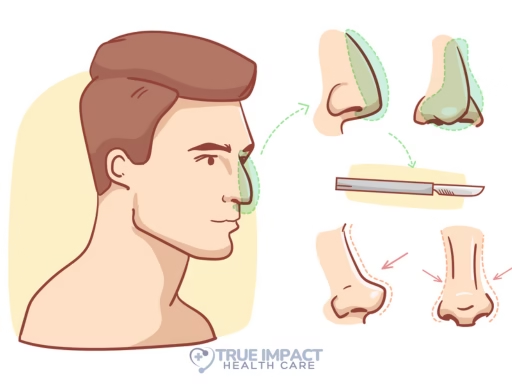
Table of Contents
Introduction
A broken nose, also known as a nasal fracture, is one of the most common facial injuries, affecting athletes, children at play, and anyone who’s had an accidental tumble or unexpected collision. While it may sound minor compared to other fractures, a broken nose can cause pain, breathing problems, and cosmetic concerns if left untreated. In this post, we’ll walk you through everything from identifying the signs and administering first aid to exploring medical treatments, recovery tips, and prevention strategies. Whether you’re a sports coach, a parent, or simply curious, read on to get the full picture.
Understanding a Broken Nose: What Is It?
A nasal fracture occurs when one or more of the nasal bones are cracked or displaced. Because your nose consists of both bone (the upper portion) and cartilage (the lower portion), injuries can affect either or both structures. Key points:
• Bone vs. cartilage damage: Cartilage injuries may lead to septal deviation, while bone fractures often cause visible misalignment.
• Simple vs. compound fractures: A simple fracture doesn’t break the skin; a compound fracture pierces it, increasing infection risk.
Common Causes and Risk Factors
Broken noses often result from direct trauma. Typical scenarios include:
• Sports injuries: Football, basketball, hockey, and martial arts account for many nasal fractures.
• Falls: Slipping on ice or tripping over obstacles can land your face on the ground.
• Fights or assaults: Physical altercations can easily damage the nose.
• Car accidents: Airbag deployment or dashboard impact may be to blame.
Risk factors you can’t control:
• Young age: Kids and teens are more prone to falls and rough play.
• Male gender: Statistically higher involvement in contact sports.
Modifiable risk factors:
• Skipping protective gear (face guards, helmets)
• Ignoring home hazards (cluttered floors, loose rugs)
Symptoms and Diagnosis
How can you tell if it’s more than a bad bruise? Look for:
• Pain and tenderness, especially when touching the nose
• Swelling and bruising around the nose and under the eyes
• Visible deformity or crooked appearance
• Nosebleeds (often immediate but sometimes delayed)
• Difficulty breathing through one or both nostrils
• Crunchy or crackling sound (crepitus) when you move your nose
When in doubt, see a doctor. They’ll perform:
• Physical exam: Checking for septal hematoma (blood collection) and assessing airway blockage
• X-rays or CT scans: Used selectively to verify complex fractures
First Aid and Immediate Care
If you suspect a broken nose, act quickly to minimize swelling and discomfort.
Step-by-step first aid:
- Stay calm and have the person sit upright.
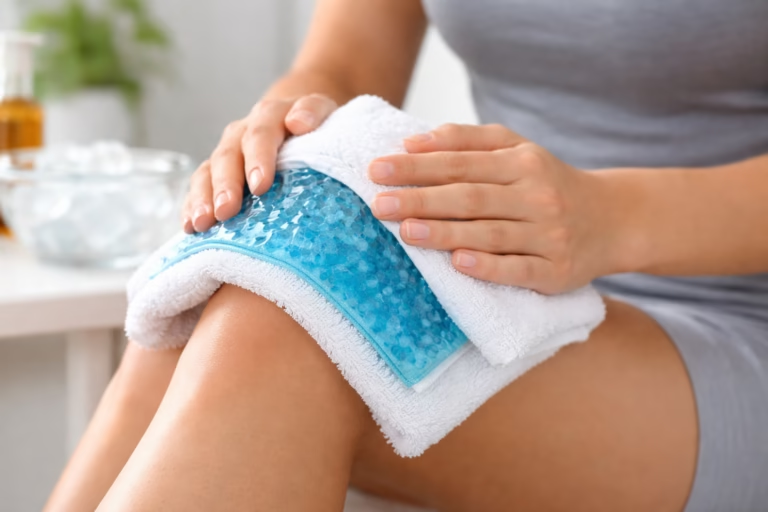
- Apply a cold compress (ice wrapped in cloth) on the nose and cheeks for 10–15 minutes.
- Lean forward slightly to reduce the risk of swallowing blood.
- Gently pinch the soft part of the nose for 10 minutes if bleeding continues.
- Avoid blowing the nose for at least 24 hours.
When to call 911 or visit the ER:
• Heavy, uncontrollable bleeding
• Suspected head injury or loss of consciousness
• Difficulty breathing or worsening pain
• Clear fluid draining from the nose (possible cerebrospinal fluid)
Medical Treatment Options
Treatment depends on the severity and timing of the injury. Common approaches include:
• Closed reduction: A doctor realigns the nasal bones manually under local or general anesthesia, ideally within 1–2 weeks of injury.
• Septoplasty: Surgical correction for a deviated septum that impairs breathing.
• Rhinoplasty: Cosmetic surgery to restore shape, often combined with septoplasty (septorhinoplasty).
What to expect during your appointment:
– Pain management (acetaminophen or ibuprofen)
– Nasal splints or packing to keep bones in place
– Follow-up visits to monitor healing (usually at 1 week and 4 weeks)
Recovery Process and Aftercare
Healing times can vary, but most people recover within 3–6 weeks. To support healing:
• Continue cold compresses for the first 48 hours.
• Keep your head elevated, even while sleeping.
• Take prescribed pain relievers and antibiotics (if ordered).
• Avoid strenuous exercise and contact sports for at least 4–6 weeks.
• Use saline nasal sprays to prevent crusting and maintain moisture.
Watch for warning signs:
– Increasing pain or swelling beyond the first week
– Persistent bleeding or infection (fever, redness)
– Ongoing breathing difficulties
Potential Complications
While most broken noses heal without serious issues, complications can arise:
• Septal hematoma: Untreated blood collection under the septum leading to tissue death.
• Persistent deviation: Nasal obstruction and chronic sinus problems.
• Cosmetic deformity: “Saddle-nose” collapse or persistent hump.
• Long-term breathing issues and snoring.
Preventing a Broken Nose
You can’t eliminate all risk, but you can reduce it:
• Wear protective gear: Helmets and face shields for contact sports.
• Childproof your home: Secure rugs, add handrails, and install corner guards.
• Practice safe play: Supervise children, enforce rules about roughhousing.
• Exercise caution: When walking on slippery surfaces, consider traction cleats or ice grippers.
Conclusion
A broken nose may seem straightforward, but timely care and proper management are essential to prevent long-term complications and ensure both function and appearance are preserved. By understanding the causes, recognizing symptoms, administering immediate first aid, and seeking professional treatment, you’ll be well equipped to handle this common injury. Remember, when in doubt, consult a healthcare provider, especially if breathing becomes difficult or bleeding won’t stop. Stay safe, and keep your nose in top shape!
Was this page helpful?
Thanks for your feedback! What could we improve?
Thank you! Your feedback helps us improve our articles.
True Impact Health articles are written by our editorial team and based on reliable sources such as public health agencies, clinical guidelines and peer-reviewed research. This article has not yet been medically reviewed. Read our editorial process.
This content is for general information and is not a substitute for professional medical advice, diagnosis or treatment.